The kids from Gospel Oak: Where are they now?
In the early 1980s amateur photographer Joyce Edwards took some remarkable portraits of primary pupils and young people. Now those looking after her archive are keen to find out what happened to them...
Thursday, 30th April
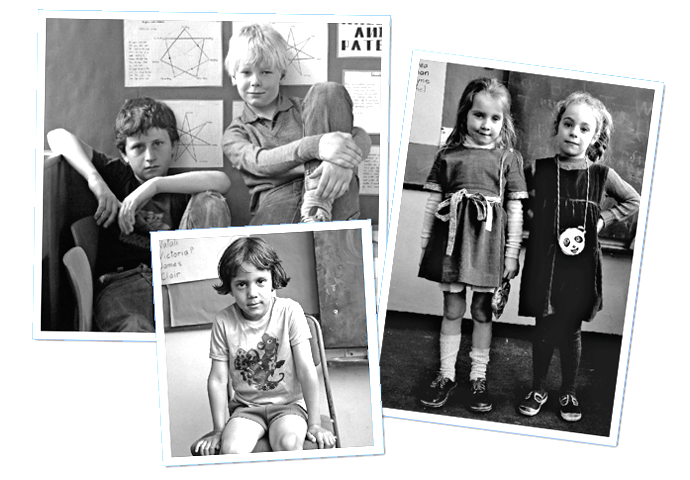
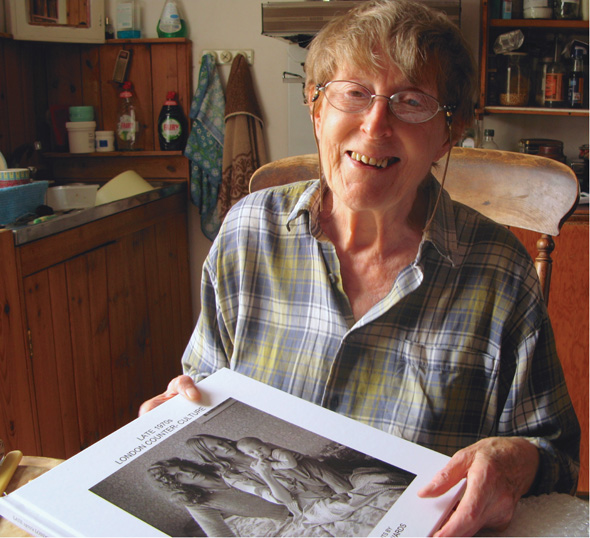
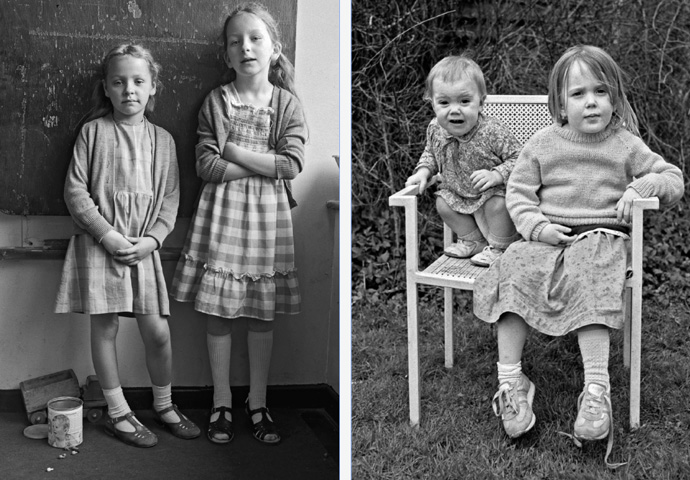
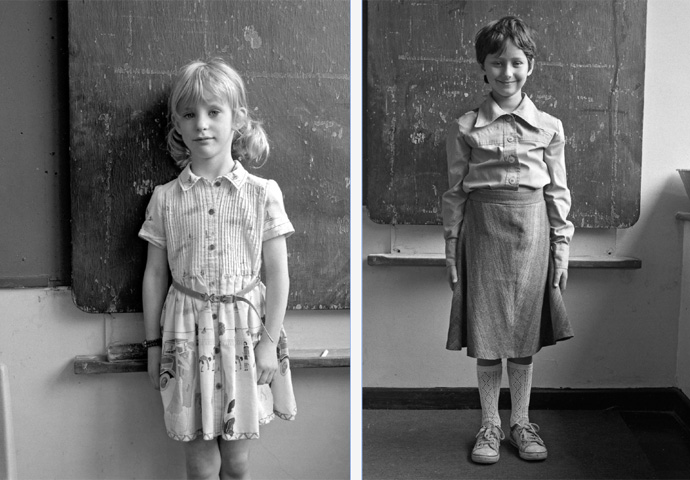
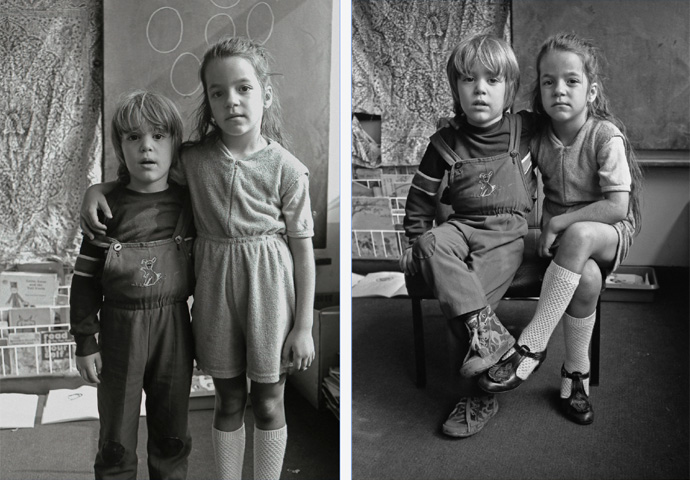
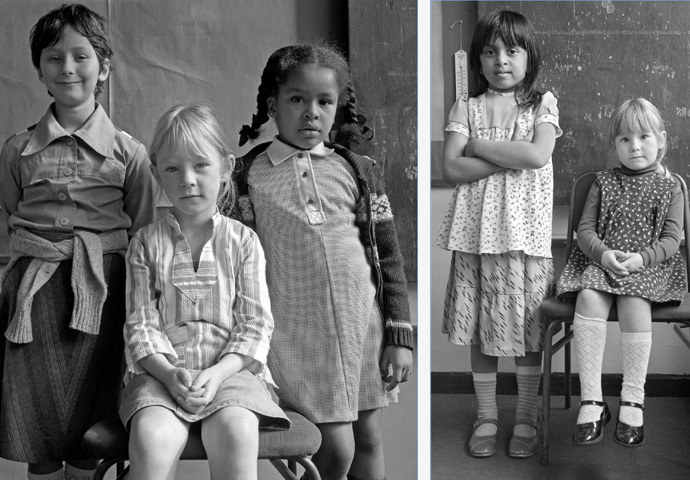
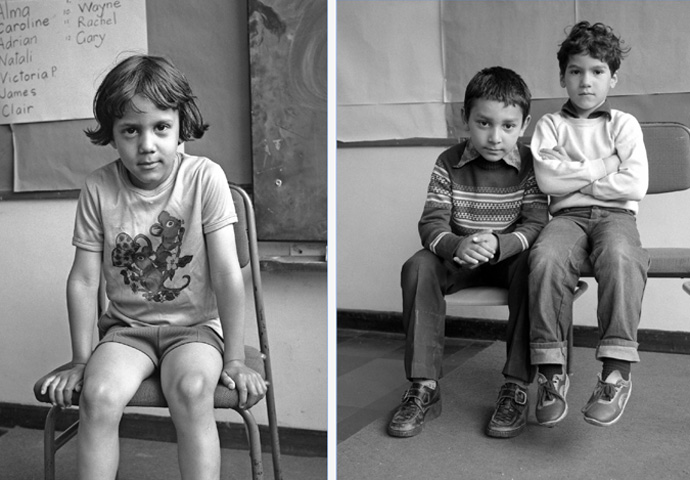
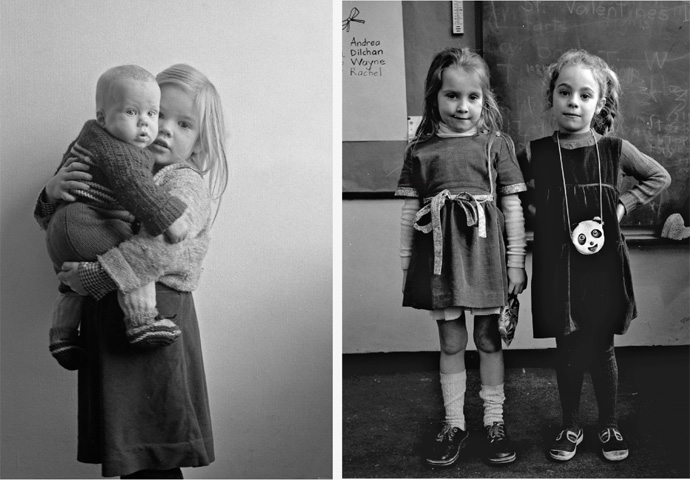
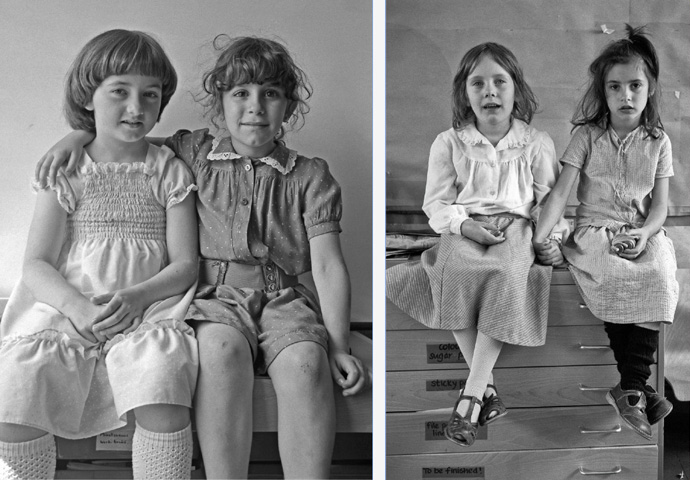
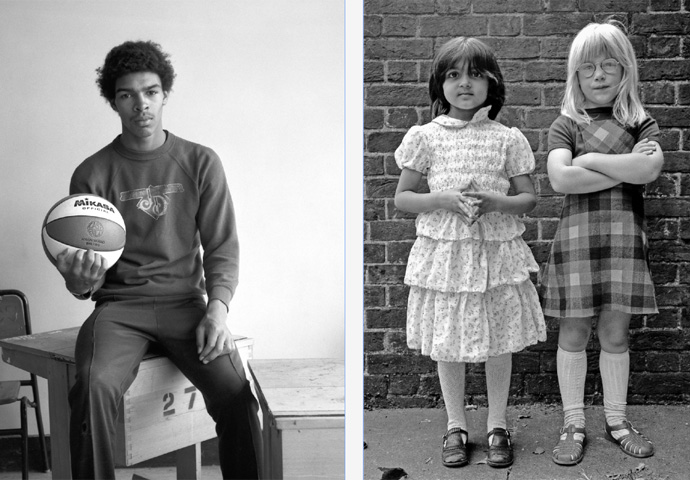
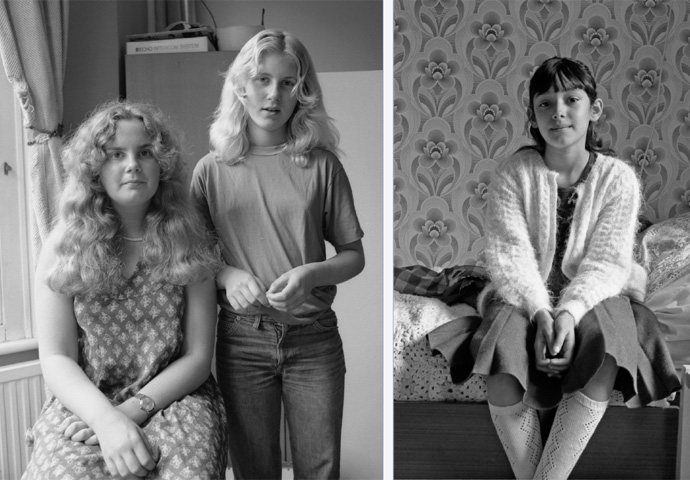
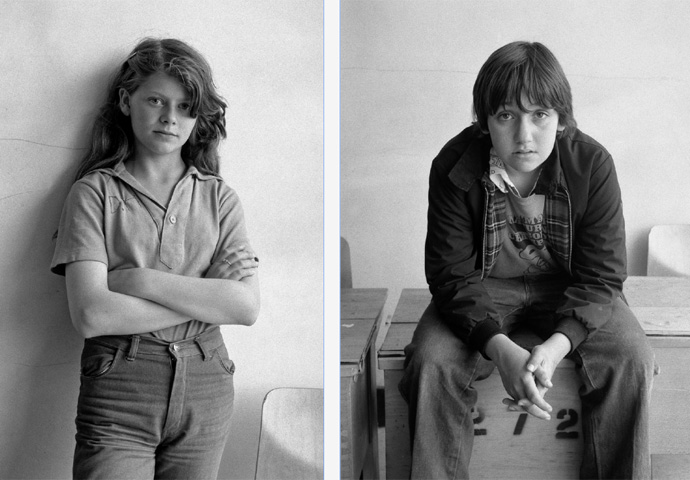
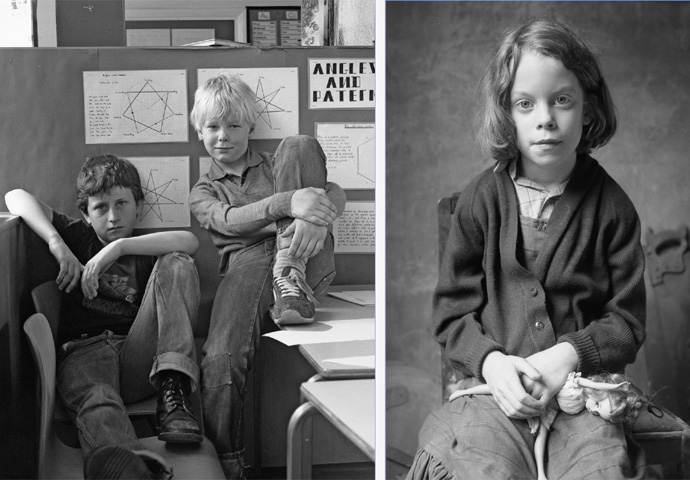
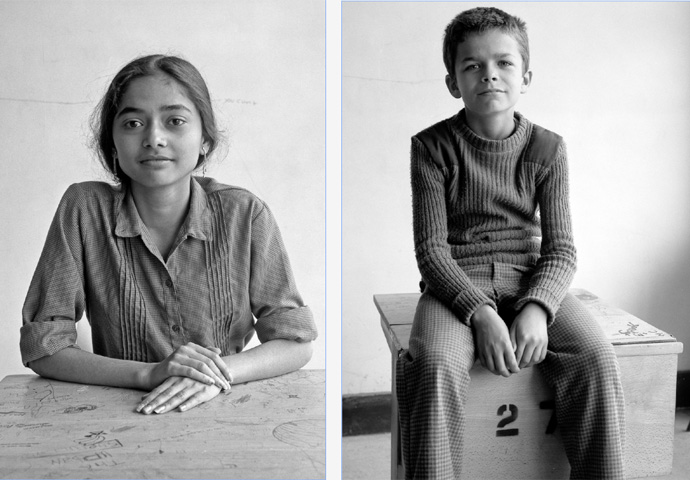
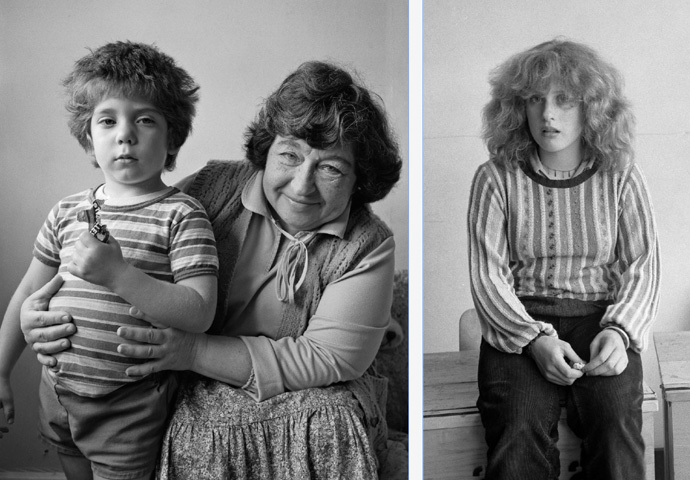
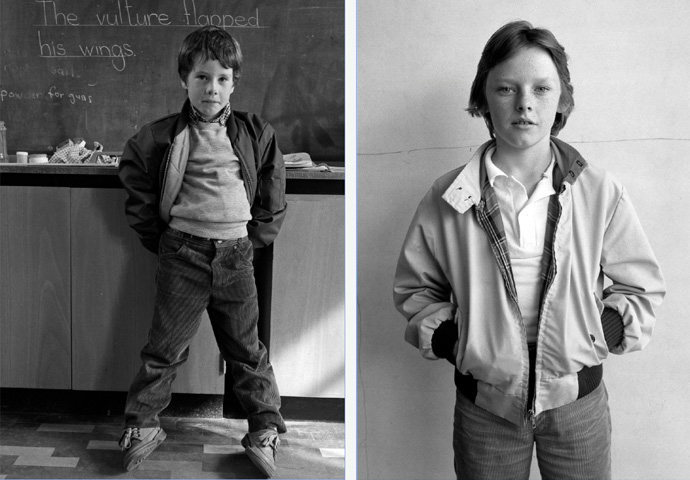
Joyce Edwards took up photography when she was in her 50s; below: some of her striking portraits
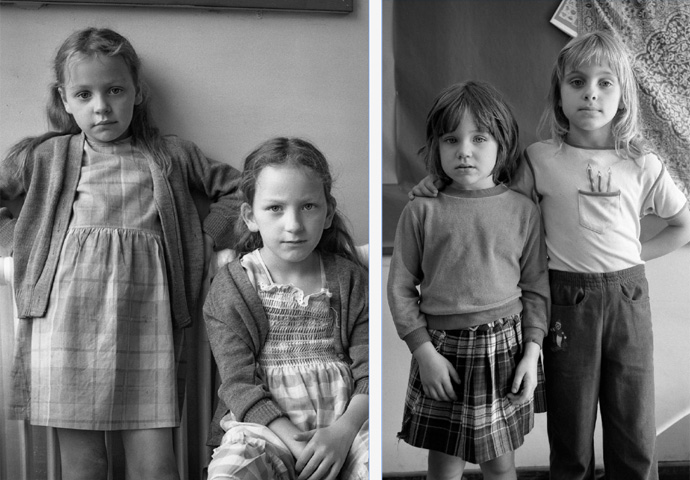
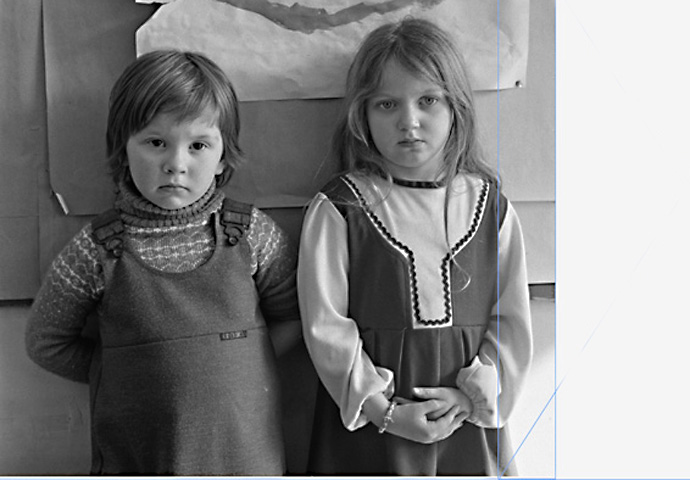
THEIR faces look directly into the camera, curious as to what the woman behind the lens was up to. The series of images of children from Gospel Oak Primary School, taken between 1980 and 1982 are atmospheric, nostalgic, and full of curiosity.
Taken by Hampstead-based photographer Joyce Edwards, the images have recently come to light and the custodians of her archive hope to trace some of the children in the pictures, who will now be in their 40s and 50s.
Joyce was born in 1924 and grew up in Ipswich. She studied at art school and moved to London in 1945.
It was while staying at a hostel in Chelsea she met Jack Edwards, a civil servant: the pair never married but Joyce changed her surname by deed poll to Edwards.
They had one son, Dilan
Her father bought a house in South Hill Park, Hampstead, in 1949. It turned her into a landlady: the house had lodgers, and she lived in the basement. Joyce let rooms to actors, artists and writers, offering reasonable rents so they could concentrate on being creative. Those who benefitted included Ivor Cutler, the Scottish poet and humourist, and actors Elizabeth Shepherd and Vladek Sheybal and Henry Woolf.
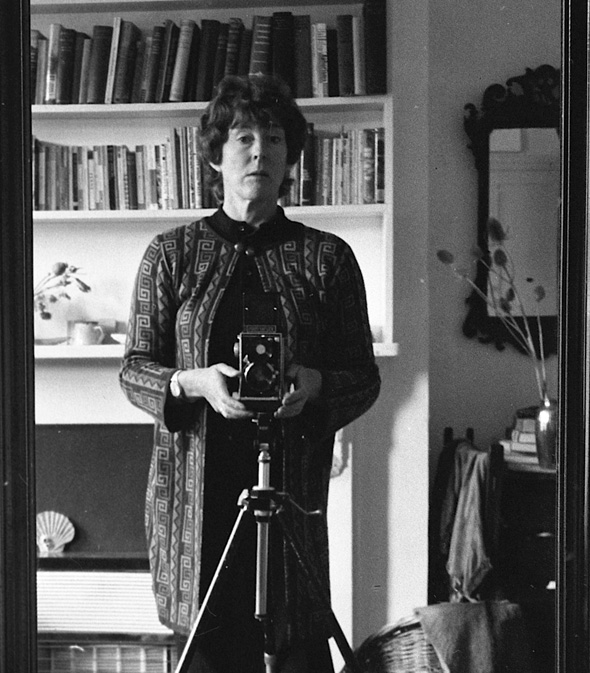
Joyce Edward’s mirror self-portrait
After Joyce and Jack separated in 1957, Joyce took up photography. She bought a Rolleiflex camera and used her son and tenants as subjects. She built a dark room and learned how to develop prints.
In 1973, Joyce won a prestigious prize in the annual Amateur Photographer magazine’s awards: she had been taking photos at the male-dominated Camden Camera Club. They would occasionally hire models and Joyce turned her lens on the men taking pictures, rather than the model in front of them.
Her friend Derek Smith met Joyce that year. He was a student at the Central London Poly in Regent’s Street, studying film and photography.
“A photography club, run by the Kentish Town photographer and writer Jerry Badger, popped up in Queen’s Square,” he remembers. “Joyce joined – she was in her mid-50s by then, and we were mainly in our mid-20s. She was amazing, she fitted right in. She brought along prints she had done and we were knocked out. We struck up a friendship and I became one of her tenants for a while.”
Her nephew, Andy Lonton, recalls visiting Joyce in South Hill Park and the impression it made. “I moved to London in the late 1970s and was squatting,” he says.
Squatting was a subject Joyce had first-hand knowledge of. Hampstead, Swiss Cottage, St John’s Wood and Kentish Town were well known for a ground-up housing movement, but it was in Bethnal Green where she began chronicling the lives of people living in squats. Her images would be digitised in 2010 and published in a book, Late 1970s London Counter Culture.
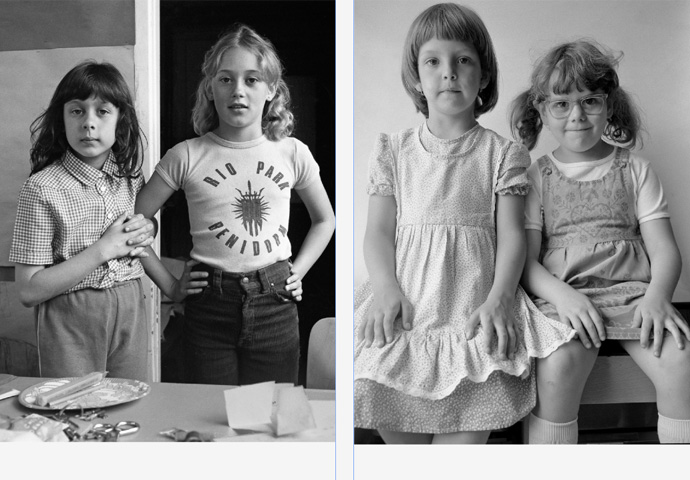
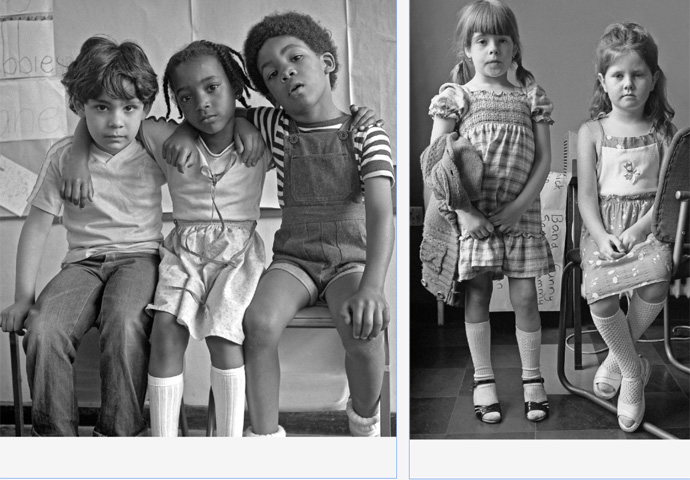
Some of the dozens of portraits of young people
When Joyce died aged 99 in 2023, Derek was asked if he could help with her archive.
“There are thousands of negatives and thousands of prints,” he says. “Her home had large Victorian windows that let in light and she used it to photograph her lodgers. But then she began to move towards specific projects rather than individual portraits.
“She did squatters, children and older people – projects that looked at the three stages of life, in a way.”
A key element to her ability to frame and capture a shot that speaks to the viewer was based on her nature.
“She just loved people,” adds Derek. “She was engaged by people and you could see this by the people she gathered around her.”
Hampstead was still a bastion of liberal arts when she moved there.
“She was very much part of that community,” says Derek. “She had her son out of wedlock when it was frowned upon, and she did unconventional things.”
In 1980, Joyce approached Gospel Oak Primary School with the aim of producing a body of work focusing on children. The result is a stunning collection of portraits, taken over a two-year period.
“They were impressively good at sitting still,” Joyce had reflected at the time. “I took the pictures during the lunch break and I did not know who would show up beforehand.
“They formed a noisy queue outside and because no one knew when I would come, no child had been prepared for a photograph. I was surprised by the pretty dresses the younger ones wore for every day use.”
Derek considers the images show something of Joyce, too – her ability to use her camera to tell people’s stories, to capture their characters, and to prompt questions and curiosity from the viewer.
“Part of her philosophy was to consider the debate over nature and nurture – and she found something innate in the characters of the children,” says Andy.
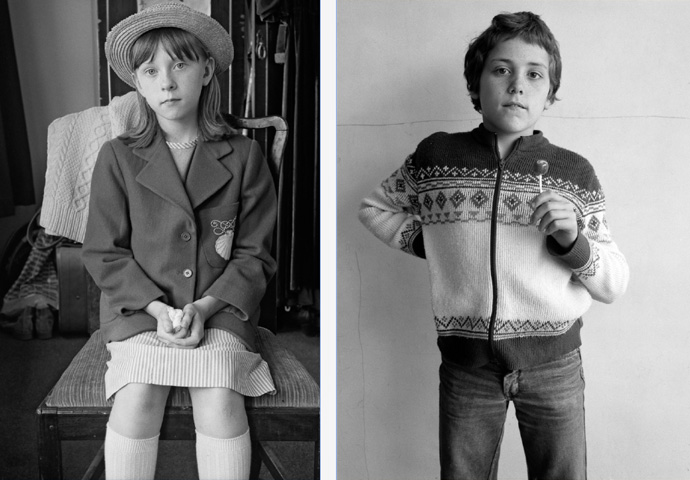
Portraits were the main plank of her work and how she managed to ensure the children were willing subjects reveals a fundamental element of how she took pictures.
“She was quite shy, she did not say very much and that helped people reveal themselves to her,” says Derek. “She was very low-key. She would set up her camera and then just let people be at ease, be themselves.”
As Joyce approached her 100th birthday, Derek began trawling through boxes of prints, negatives and contact sheets with an idea of putting on an exhibition.
“She continued to take photographs into her 90s. Her creative spirit was what kept her going,” adds Derek. And now Derek and Andy hope her brilliant photographs will find a new audience.
“The exposure Joyce is getting means people are taking an interest in her work,” adds Derek. “We hope that will help us find a permanent home for her archive, where it can be properly researched and used.”
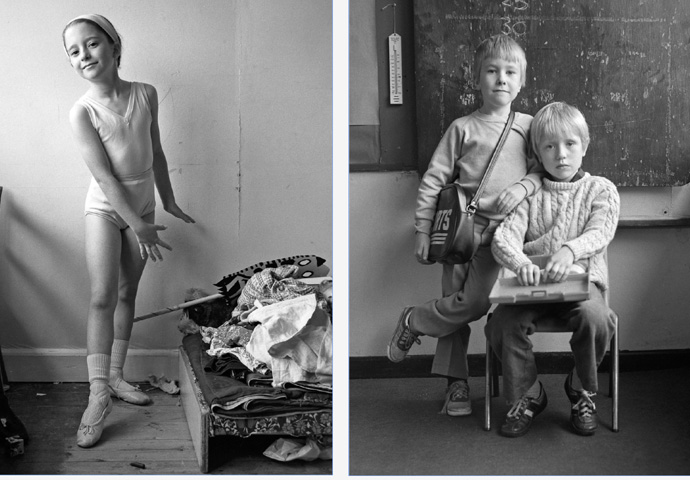
• If you can help identify the names in the frames please email: dcarrier@camdennewjournal.co.uk
