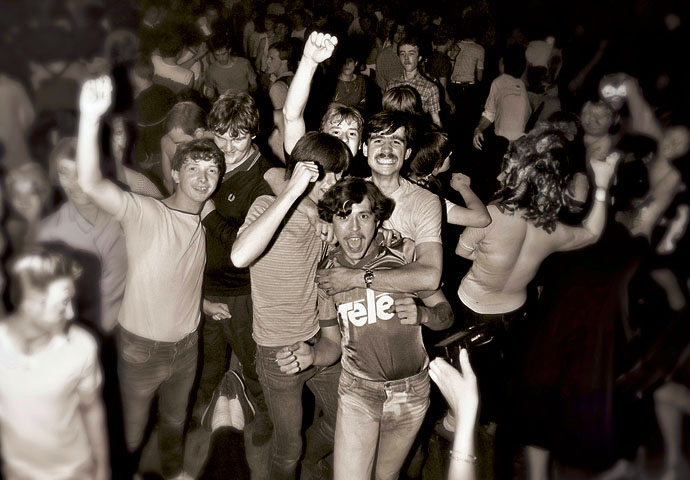
Wigan Casino where the 1976 documentary was made
NORTHERN SOUL: STILL BURNING
Directed by Alan Byron
Certificate: 15
☆☆☆☆
A HEADY mix of music, politics and working-class culture: the Northern Soul movement in the 1970s was an extraordinary phenomenon and this new documentary deconstructs what made an old dancehall in Wigan somewhere that young people would flock for energetic, speed-fuelled all-nighters, and remains a potent example of how humans find ways to have fun.
With a collection of talking heads from those who were there, those who DJ’d and those who danced till dawn, and then a conveyor belt of cultural and social historians, the movements impact and the reasons behind this grassroots, anti-commercial music movement is brought back to life.
The odd, solo, energetic dance styles, the leather-soled shoes that let you glide across talcum powdered floors, and of course the music takes the viewer on a ride through one of the coolest movements of the Seventies.
“Northern Soul was the creation of working-class people, and stayed working-class,” explains Paul Mason, who was there when it was all kicking off (to borrow the title of his last book on politics). “That’s why it never crossed over to a national phenomenon.”
Drawing on wonderful footage – a documentary was made in 1976 at Wigan Casino – and with a soundtrack that will keep your feet tapping, director Alan Byron has captured the energy and power.
The Northern Soul movement drew on black America artists and tangled up in the culture is a politics of acceptance, tolerance and liberty.
Its language was about brother and sisterhood, and the imagery it drew on also borrowed from the civil rights movement.
The clenched fist – from the 1968 Olympic winners Tommie Smith and John Carlos – became a symbol on flyers and stitch-on patches that jackets were adorned with, as did the lingua franca of civil rights.
The music was Tamla Motown and soul, found by British DJs heading to America and buying up boxes of seven inches, often recordings that had only 50 vinyl copies made.
It was, for years, ignored by London and its fashionistas and record execs – Wigan, some run-down northern town, who cares? But eventually, from 1977 onwards, as its fame spread via a Granada TV documentary, it fell into a decline as Punk took flight.
As designer Wayne Hemingway adds: “It was never forward-looking, or mod, it was always nostalgic and retrospective – so what could you sell off the back of it?”
