‘Deadly poison bracelet' found at Hampstead art fair
Wednesday, 1st July 2015
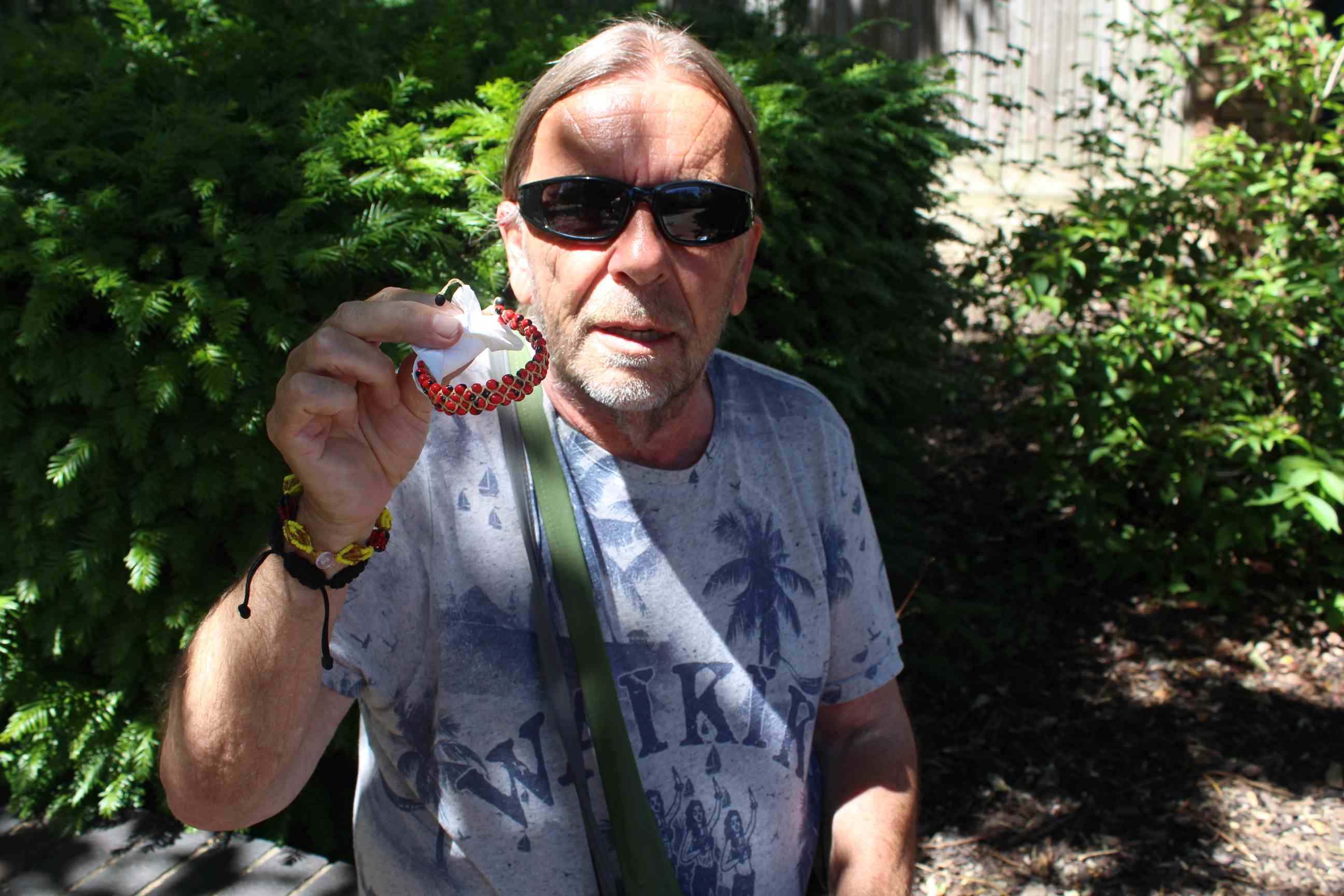
IT was a picture of idyllic Hampstead in the sunshine: classic cars lined Whitestone Pond as art fans admired the works of talented local painters and whiled away the hours listening to a softly spoken singer strumming easy-listening hits on his guitar.
But little did visitors to the Hampstead Art Fair last weekend know that a potential killer was lurking in their midst, in the form of a pretty red and black bead bracelet containing deadly seeds – so toxic they are banned under the Terrorism Act – on sale at one of the jewellery stalls.
Ron Vester, a photographer who lives in Belsize Park, bought the trinket for £5, only to discover the following day that its manufacturers were demanding their urgent recall in a nationwide red alert.
He said: “I turned on Facebook and there was a story with a picture of the exact bracelet – I was like, ‘Wow’. I was told to send it to the police and to go to A&E, but I think they should come and get it from me, I don’t think I should put it in the post. I’m waiting to see what happens because this is only the beginning.”
The red and black beads are believed to be from Abrus precatorius – better known as “Jequirity” – seeds, which contain the toxin “abrin”. Experts say abrin can be more potent than highly toxic ricin. If chewed or rubbed into the skin, abrin can cause vomiting, nausea, diarrhoea and – in three recorded cases – immediate death. There is no known antidote.
Mr Vester said a friend had noticed slight bruising around his eyes and experienced stomach trouble the following day and believes it may have come from the bracelet.
He said: “I wore it for a couple of hours but then I was thinking my vibe was Cuba that day, I had Cuban beans on already, and so I just put it with my collection.”
Jequirity beads are believed by some Jamaicans to ward off evil spirits and the Chinese celebrate them beans as “love beans”.
Mr Vester, who sells collectables from Peru, has been shocked to learn of the popular bracelets’ potency after being sent a news story last week about an urgent recall from the Eden Project.
In a statement on its website, the Cornish tourist attraction said: “Ingestion of any quantity of chewed, crushed or drilled (such as in a necklace) seeds should be regarded seriously because, if fully absorbed, even small amounts of abrin can be fatal.
“However, seeds are not expected to cause serious problems if swallowed whole and not chewed. There may be a delay of up to three days before symptoms occur. Anyone who is suspected of ingesting seeds from this plant should seek medical advice immediately.” In an email to Mr Vester, the art fair stall-holder said: “In Peru this bean has been used in jewellery for centuries and it is an important part of our culture – it is believed to protect people against bad energy.”
He added that he had stopped selling the bracelets “immediately” and that he would inform people back home in Peru.
Hampstead activist and businesswoman Linda Chung, who organised the Hampstead Art Fair, said: “Ron alerted us that the bracelet appears to be one of the poison bracelets and that he had been sold it from one of the stall-holders at the fair.
“As soon as we knew about it we alerted the stall-holder. They are very attractive – with red and black beads. But, obviously, no one would mean to sell anything that could be harmful. The stall-holder has stopped selling them and has been notified that they are recalling them.”
