‘The sale of sex for cash hasn’t desisted in this area – it’s still there in plain sight’
Charity in King's Cross helps women being sexually exploited
Friday, 3rd April — By Daisy Clague
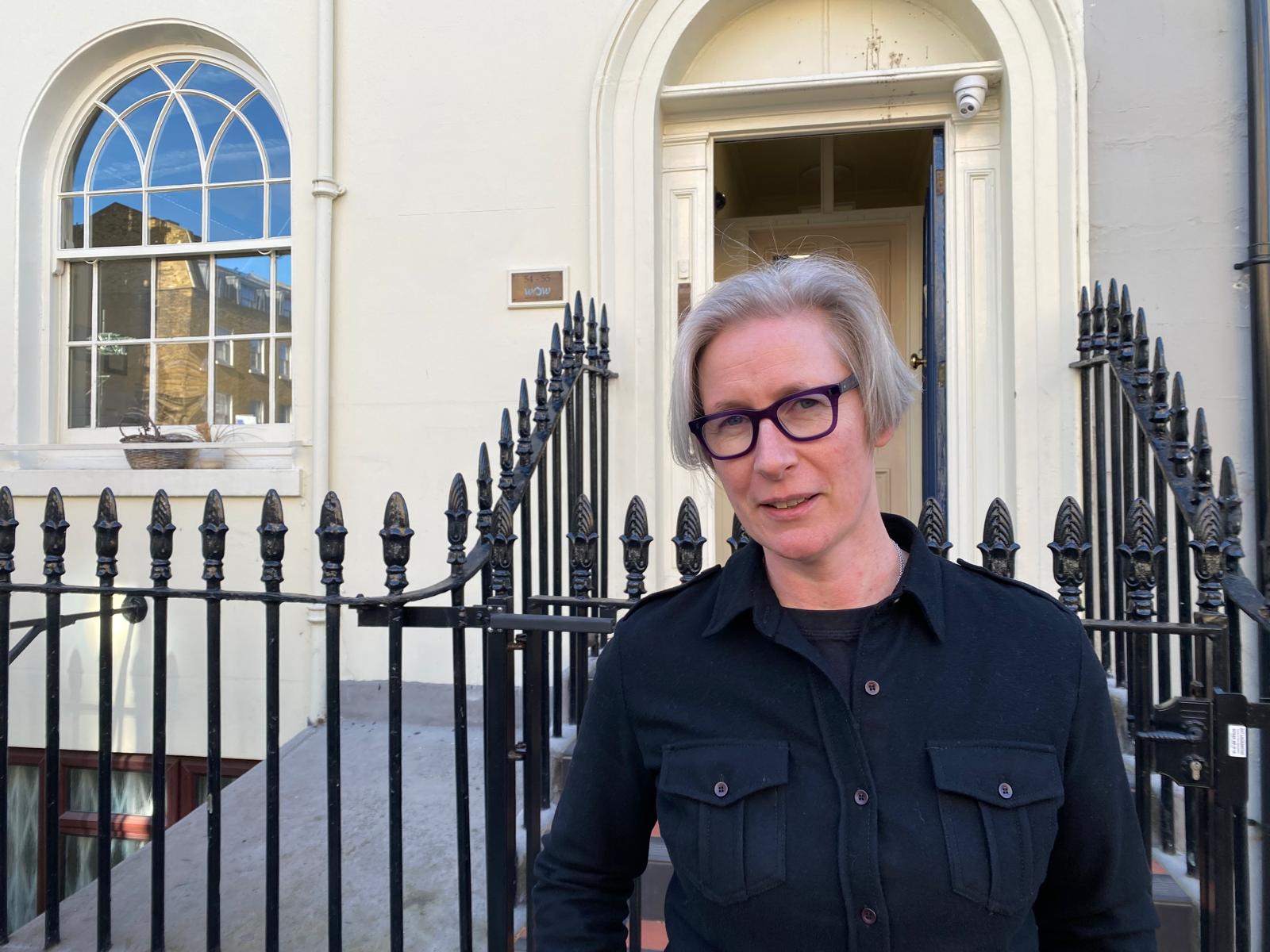
Sarah Green from Women at the Well
ONCE one of London’s “red light districts”, King’s Cross today is better known for its shops and offices, but in flats 10 minutes from Google’s headquarters, women are still exchanging sex – not just for cash, but for drugs, food, or a place to live.
Women at the Well, a charity in Birkenhead Street, has spent 20 years supporting those caught up in sexual exploitation, offering hot meals and showers, and working with women to navigate the housing, health and criminal justice systems.
It saw 1,700 women in 2024, rising to 3,000 in 2025. CEO Sarah Green told the New Journal: “The sale of sex for cash hasn’t necessarily desisted in this area, the way it’s brokered has changed.
“The thing is, it’s still in plain sight. You might have no idea about it, or feel it has nothing to do with you, but for others it’s a very big part of their lives.”
Ms Green told of adverts for nearby properties where sex is exchanged, homes “cuckooed” by pimps, and shopkeepers who encourage vulnerable women to rack up large tabs before suggesting sex as a form of payment.
Much of this is also organised online, where buyers can scroll through lists of women on legal websites – a highly racialised “shop window of patriarchy” with an emphasis on young girls.
Women at the Well’s work speaks to the fact that its clients are not high-earning social media or Only Fans stars – they are among society’s most vulnerable.
In a sample of 42 women the charity interacted with over one week in October, more than 60 per cent were currently or formerly homeless and nearly half had survived child sexual abuse.
“I want people in Camden to be alarmed by that – how do we let children get harmed and then let them get harmed again as adults?” said Ms Green.
“We need to think about the contexts in which that can happen: being really poor, being really excluded, not being protected by other people, being in need, and being unseen. Except if you look hard, you can see.”
For Ms Green, societal shifts towards taking sexual assault and domestic abuse more seriously have not been replicated when it comes to prostitution, the scale and nature of which remain under-explored and poorly understood.
Women at the Well is advocating for Camden Council to include these women in its new strategy on preventing violence against women and girls.
She added: “It’s a function of economic inequality and exclusion – but it’s absolutely about gender. “There are lots of men who face multiple disadvantages and are very socially excluded, but for women, the risk of being sexually exploited becomes very high. I think Camden has a duty to be curious about this, to try to understand it, and to try and disrupt it when there’s harm.”
Ms Green intentionally uses the term “prostitution” rather than “sex work” – which is preferred by feminists in some contexts.
“‘Sex work’ comes from the understanding that lots of attitudes to prostitution have been misogynistic and sexually judgmental of women,” she said.
“It can come from a good place, of wanting to de-stigmatise the way the term prostitution lands by trying to use words that seem neutral.
“The problem is it’s not neutral. It’s claiming that this activity is akin to work, and it’s not. It’s the use of your body by others, arranged in high-risk contexts, driven by misogyny. So it carries this agenda of trying to sanitise what we should absolutely not be trying to sanitise.”
