CNJ COMMENT: Don’t let Finbar Sullivan tragedy be twisted into something uglier
Serious questions about why young people – from all backgrounds – feel the need to carry knives
Thursday, 16th April
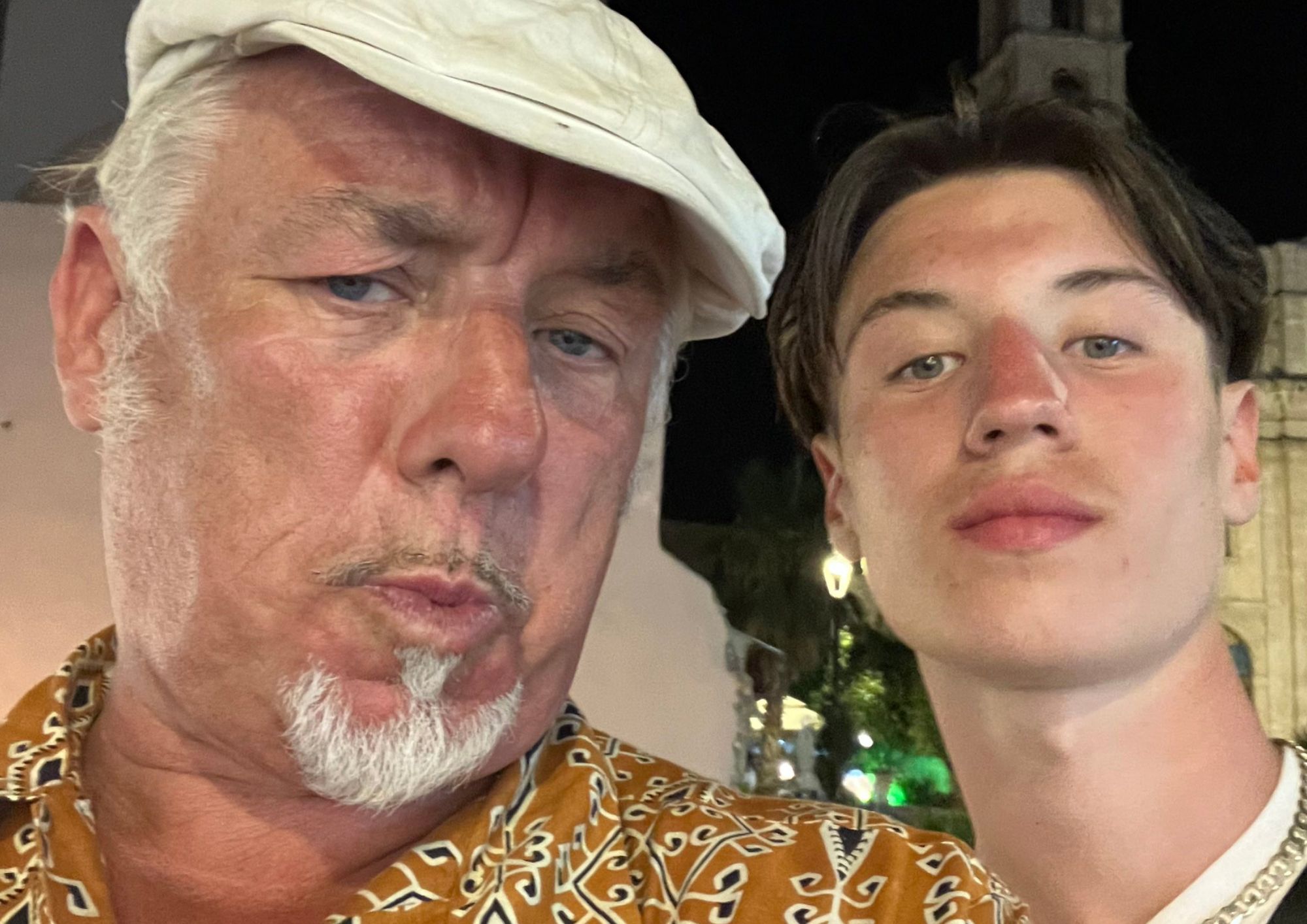
Christopher and Finbar Sullivan
IT’S honestly exhausting how conversations about serious crimes – like the murders we’ve seen in Camden recently – get derailed by people pushing racist narratives.
Instead of focusing on what actually happened, it descends into point-scoring and division. The announcement of a murder investigation is now almost inevitably followed by a stream of “Khan’s London”-style comments, alongside people casting aspersions about backgrounds without anything like a full picture. “Looks like a fine upstanding chap”… a “wrong-un?” It’s predictable, it’s lazy, and it adds nothing of value.
Jumping into heated arguments with these kinds of people often doesn’t really work. That’s often the point with people who want to outrage, the back-and-forth of the attention-seeking keyboard warrior.
But silence isn’t the answer either.
It’s much harder for those voices to dominate when they’re calmly and consistently challenged. So how do we stop murders being hijacked by race politics? Part of it is tone. Sticking to facts – what’s actually known, what’s been confirmed – helps cut through the noise.
It doesn’t fuel speculation, and it keeps the focus where it should be. Part of it is collective responsibility.
When more people push back, not aggressively but firmly, it becomes clear that these views aren’t the majority.
Racist narratives thrive when they go unchecked.
And part of it is perspective. These are real lives, real families, real grief. Reducing that to stereotypes is dehumanising.
Finbar Sullivan’s dad put it more clearly than most this week. He said “hate should not be directed at minorities” and pointed instead to the deeper issues – generational poverty, lack of opportunity, and young people feeling like they don’t have a stake in society.
“We have to look after our teenagers, they’ve just been thrown on the garbage heap,” he said.
That’s the conversation worth having. Not knee-jerk assumptions about race, but serious questions about why young people – from all backgrounds – feel the need to carry knives in the first place, often for protection as much as anything else.
There’s responsibility here for the government too. Years of failure to properly invest in youth services, communities, and opportunity don’t just disappear – they show up in moments like this.
In the end, this isn’t about winning arguments online. It’s about refusing to let tragedy be twisted into something uglier. Because every time we let that happen, we lose sight of the truth.
And if we keep letting noise drown out reality, we’re not just failing the conversation – we’re failing the people it should be about.
