Uncertainty for primary school after just four applications from new pupils
Applications are down at other schools too – including Eleanor Palmer in Kentish Town
Tuesday, 25th August — By Dan Carrier
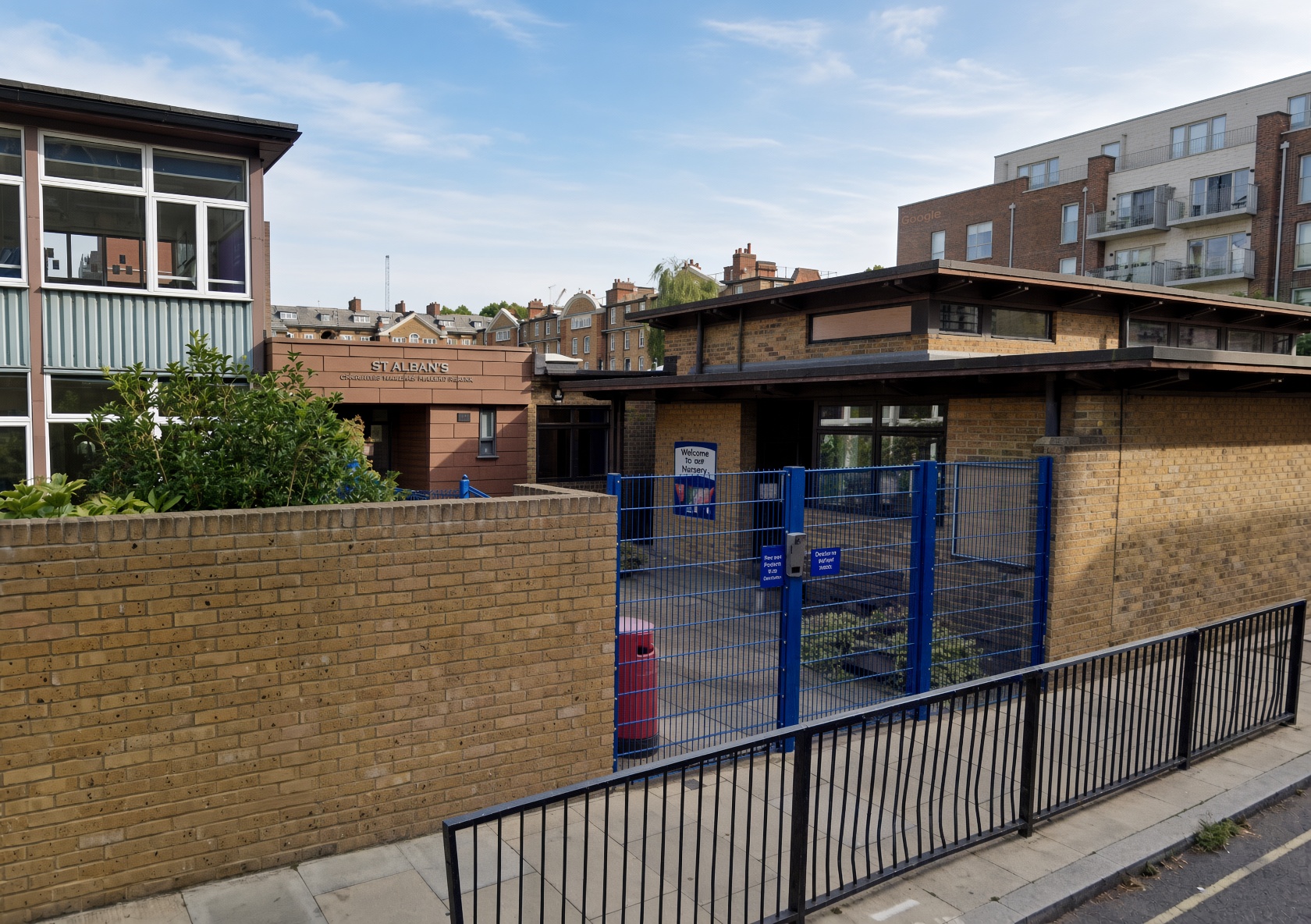
St Albans Church of England primary in Baldwin Garden
A PRIMARY school is facing an uncertain future with just three weeks to go until a new term starts – after receiving just four applications for new pupils to start in reception, according to council statistics.
St Albans Church of England primary in Baldwin Gardens, Holborn, is named as having the lowest number of pupils hoping to start their educational journey of all Camden schools. The one-form entry school – which is managed by both Camden Council as the local authority and the church’s Diocese of London Board for Schools – received nine applications the previous year.
It is just one example of the trend in the borough-wide collapse of applications to state-funded primary schools in Camden, blamed on the lack of affordable and decent-sized homes for families. It has forced the closured of Carlton, St Dominics and St Aloysius primary schools in recent years.
At Eleanor Palmer in Tufnell Park – traditionally one of Camden’s most sought-after primary schools that has regularly been oversubscribed in the past – demand for admissions has fallen away from 71 applicants in 2025 to 48.
Torriano School in Kentish Town had 69 applications last year, a figure that has risen to 76 for this September. Other schools who have seen numbers rise include Christchurch C of E school in Hampstead, with first-choice applications going up from 54 to 57. Rhyl in Kentish Town – which amalgamated with the now closed Carlton school in Queen’s Crescent – has seen numbers increase from 31 last year to 43.
The Town Hall has declined to comment on any specific cases and the Church of England’s diocese school board, who jointly manage St Alban’s, did not respond to requests for comment.
Schools chief Councillor Marcus Boyland said: “Camden Council is actively working with all our schools to equip them with the tools and strategies to ensure they are able to respond to the current challenges.
“We continue to work closely to monitor pupil numbers and manage any associated risks, helping to ensure that schools remain sustainable and are able to deliver a high-quality education for children and young people.”
