The spy who lived downstairs from the brains behind the Thunderbirds
Local historian links two famous life stories to the same address
Friday, 24th July — By Tom Foot
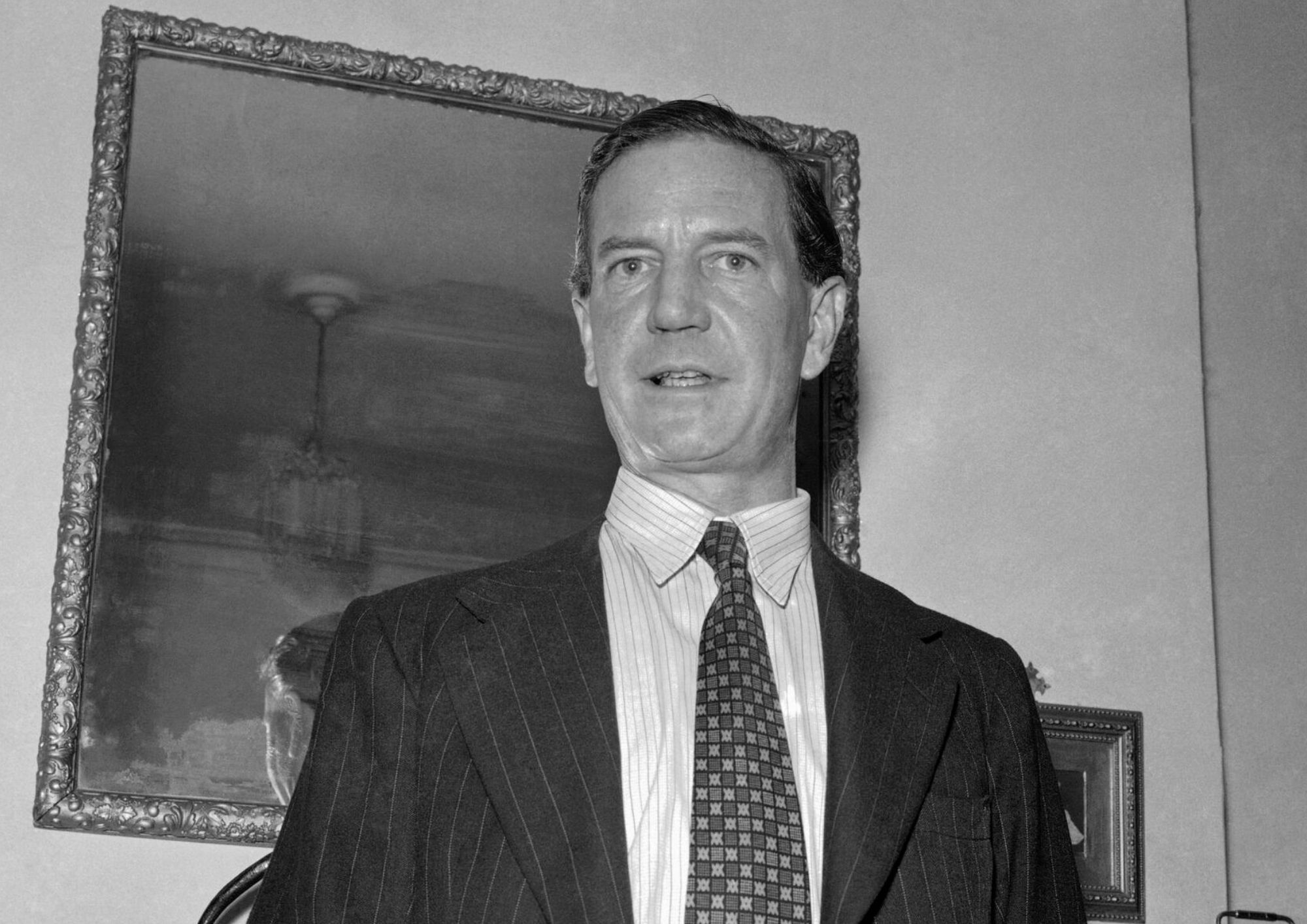
Kim Philby was revealed to be a spy working for Russia
HISTORIANS have discovered an “amazing coincidence” that the legendary creator of Thunderbirds shared a childhood home with an infamous Soviet spy and double agent.
Gerry Anderson grew up in the top floor of 50 West End Lane, West Hampstead, between 1929 and 1936.
Now new research has found that Kim Philby and his new wife Litzi – both key players in the “Cambridge spies” circle – were living in a ground floor flat in the same building at the same time.
Mr Anderson went on to become one of the most influential figures in television known for the puppet films – Thunderbirds, Stingray and Captain Scarlet – that are credited with turning a fascination with the secret service and Cold War tropes into popular family entertainment.
He was awarded an OBE in 2001 before dying in 2012.
In a mega-famous British spy story, Mr Philby was recruited by Ms Friedman as part of the group of “Cambridge spies” who fed military intelligence back to the Communist regime in Russia.
While the couple’s life in West Hampstead has been reported before, the links to the house that Mr Anderson grew up in are new.
Dick Weindling, who has written several books about the history of NW6, told the New Journal: “I could not believe it. I knew about both them – but not that they were in the same building. Whether they communicated with Anderson, it’s not clear … Nobody knows that information – it’s brand new.”
Mr Weindling said he spoke to Mr Anderson before his death after discovering another part of his life story in West Hampstead.
“He was suffering from Alzheimer’s at that point but his memory of his youth was there. He could remember crossing over West End Lane on the way to the Kingsgate Infants School, waiting in the street for his mother to pick him up. They were desperately poor. His father was a manager of clothing company. He was a socialist who then decided he didn’t want to work in business. So he ended up filling up cigarette machines in people’s houses.”
The Thunderbirds science fiction series – set almost a century in the future – was created by Gerry and Sylvia Anderson and filmed between 1964 and 1966.
While there is no suggestion of Soviet influence on Mr Anderson, his series regularly featured stories of secret military programmes, atomic technology, geopolitical sabotage and often tackled Cold War tensions through its storylines.
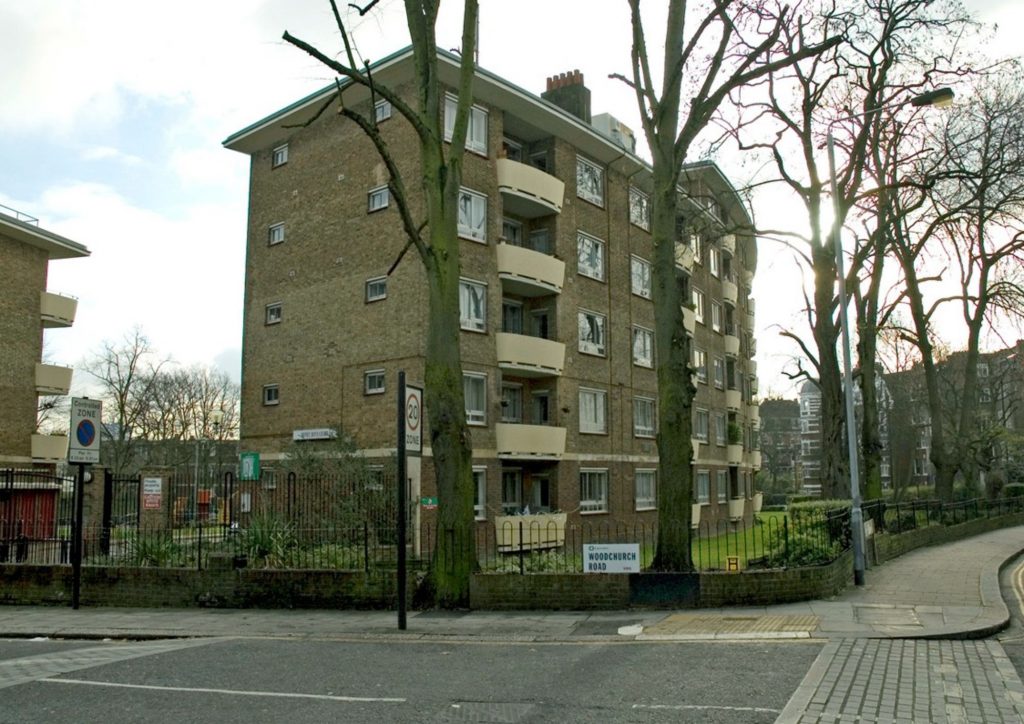
The old building has been demolished and Sidney Boyd Court stands there now
Baddies like Captain Black were often softened to blur the boundaries between good and evil. “It made me quite ill to watch British programmes where the villains were Russians and see James Bond and the arch-villain being Russian,” said Anderson in a 2003 interview with British Science Fiction Television.
“I knew by then that my programmes were not only being seen by maybe 100 countries around the world but they were also being repeated over and over again and I sort of took a guesstimate and thought: ‘Well, hundreds of millions of children are watching these programmes and I don’t want to contribute to a global conflict between two superpowers!’”
Mr Weindling said he had done lots of research on the Philbys – who were married in Vienna in 1934.
In a recent post on his history website, he wrote: “After he left university where he met the other members of the Cambridge spy ring, Mr Philby went to help fleeing communist refugees. They were married in 1936 to grant her British protection and escape the right-wing political dominance in Austria. Litzi was an active communist and Soviet agent (codenamed Mary), who later facilitated Philby’s recruitment into Soviet intelligence.”
Mr Philby resigned from the MI6 in 1951 after being accused of spying only to be exonerated by the then foreign secretary Harold Macmillan.
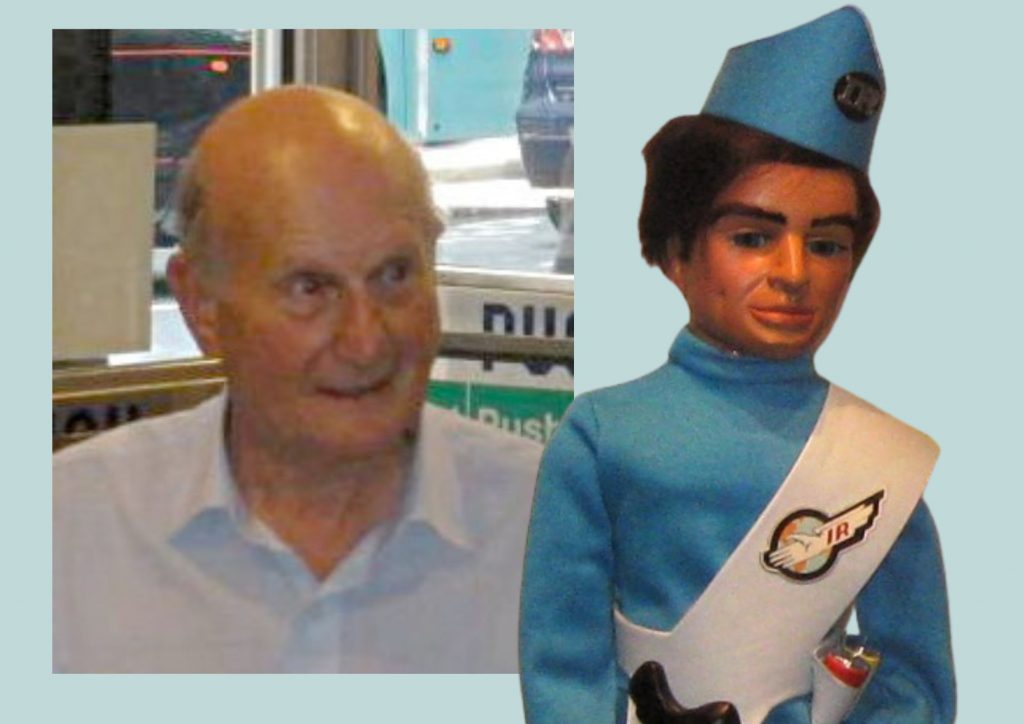
Gerry Anderson and one of his creations [ and ]
The accusations were later confirmed and he lived in Moscow until his death in 1988.
His granddaughter Charlotte went to Camden School for Girls sixth form and grew up in Kentish Town – and even worked at the New Journal briefly before starting a career in journalism.
Mr Anderson’s older brother, Lionel – who also grew up at 50 West End Lane – went on to join the RAF.
“He flew a number missions until he was shot down and died. In one of his last letters, he writes about flying over Thunderbird field – that’s where Gerry got the name from,” said Mr Weindling.
The building in West Hampstead was knocked down due to damage from V1 doodlebugs in 1944.
Seventeen people died and others were badly wounded in the bombings.
