Warning over social media ban as debate speakers argue it can be a ‘lifeline’ for some children
Government plans to stop under-16s using some apps early next year
Tuesday, 24th November — By Richard Osley
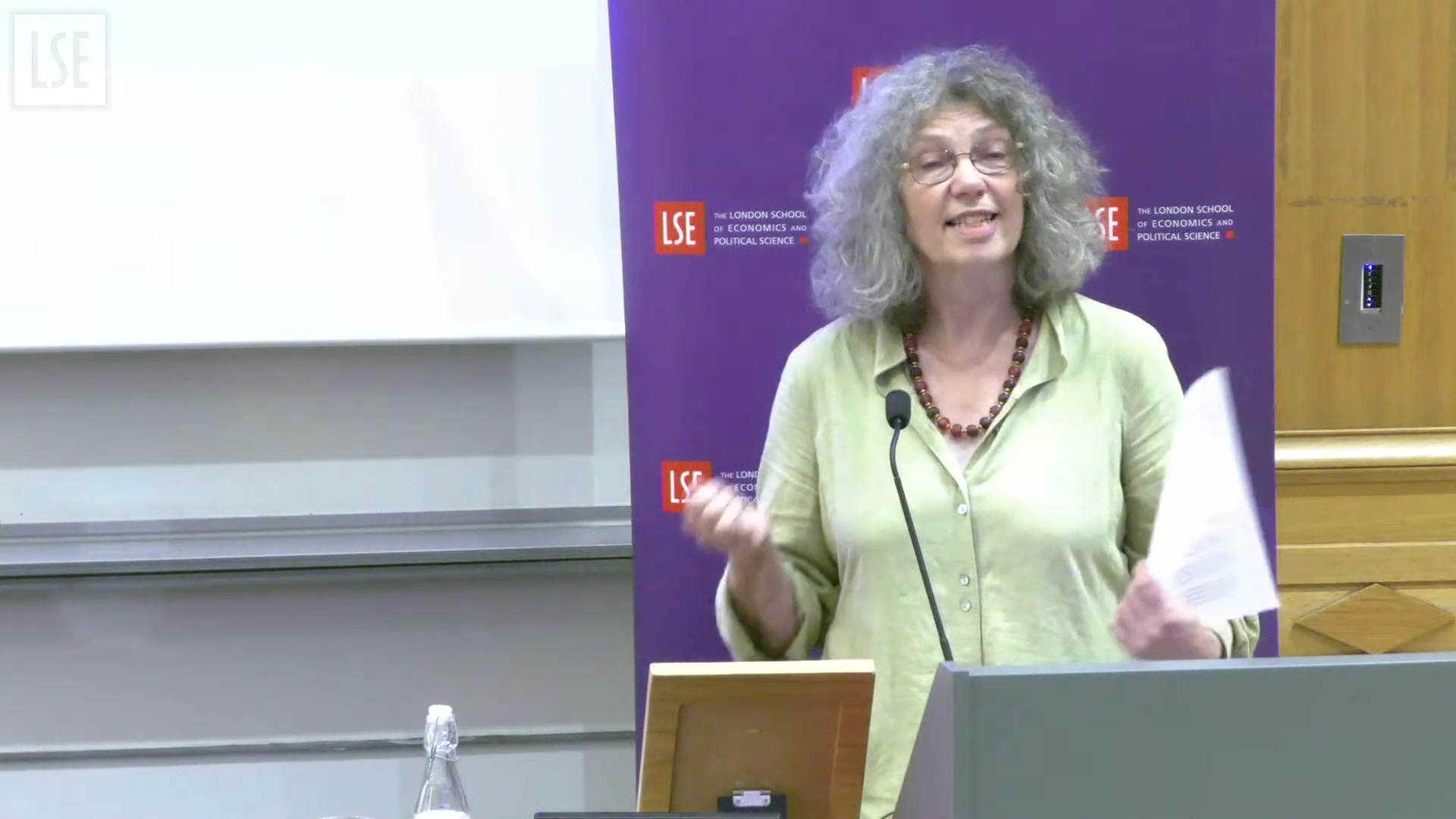
Professor Sonia Livingstone
CHILDREN may need social media in certain circumstances, an LSE professor has warned, as speakers warned that an upcoming bans risk cutting some young people off from support.
Professor Sonia Livingstone was chairing a public debate at the Hong Kong Theatre in Clement House, at the London School of Economics, on Thursday.
“There are reasons why children in certain circumstances might need or want to access social media, and we don’t always hear those voices,” she said.
“Social media might be especially valuable for and valued by LGBTQ plus children or children with disabilities, or minority migrant displaced children or by child human rights defenders, but it’s only in passing and not dwelt on.”
Zahra Asif Razvi, a tech justice campaigner at Amnesty International, said: “Social media is not just somewhere where children go for entertainment. It’s also where they build relationships, find communities, learn about the world, express themselves and participate in public life.”
“For marginalised children, particularly those who feel isolated offline, online communities can be a lifeline,” she said.
She quoted Ezra, a young person from Australia, who wrote that social media had “been a lifeline” and asked: “So why is the government kicking me off?”
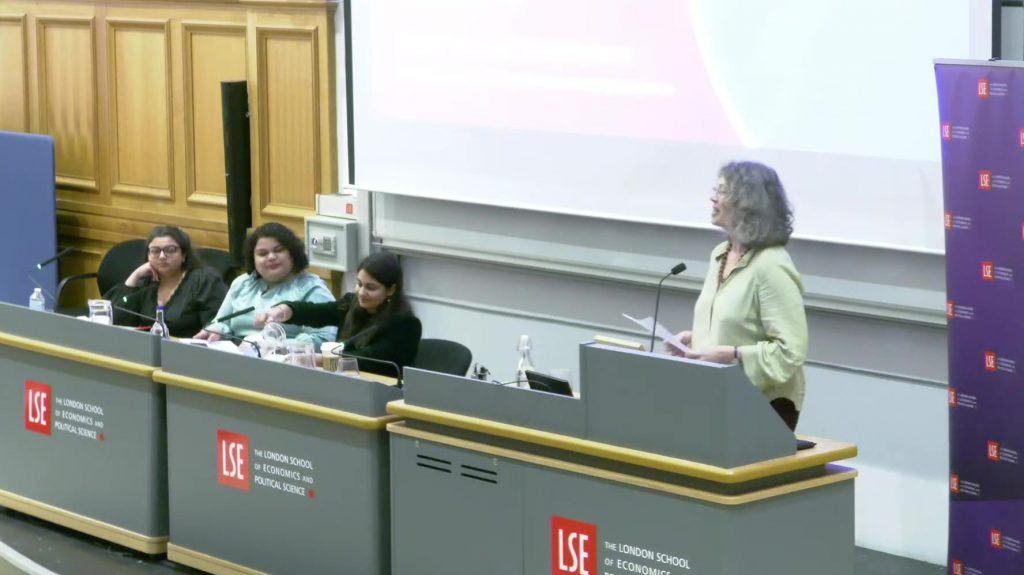
The speakers at the LSE on Thursday
Speakers accepted that children face real harms online, but argued a ban would leave the design of the platforms unchanged.
The debate followed Sir Keir Starmer’s announcement in June that the government would ban social media for under-16s, with regulations due by the end of the year and the ban expected in spring 2027. He said social media was “making children unhappy”, could be “harming their mental health”, and was “designed to be addictive”.
A government consultation of more than 116,000 responses found that nine in 10 parents who replied would support a ban.
The plans follow Australia, where a world-first under-16s restriction took effect on 10 December 2025, requiring platforms to take “reasonable steps” to stop under-16s having accounts. WhatsApp and Signal are not intended to be covered in the UK.
The ban would sit on top of the Online Safety Act, which already requires platforms to protect children from harmful content but does not itself bar under-16s from social media. Ofcom’s Protection of Children codes have been in force since July 2025. Ministers say the UK will use more “highly effective” age assurance than Australia’s test.
Dr Devina Sarwatay, a lecturer in digital sociology at City St George’s, said young people “talk about friendship and belonging, self-expression, learning and participation”, and about “opportunities to engage with communities that may not exist in their immediate offline environments”.
“Some groups rely more heavily on online spaces because opportunities, support networks and forms of belonging are not equally available offline,” she said.
That included “young people experiencing poverty, disabled, neurodivergent, LGBTQ plus young people, and those who may feel isolated in their local communities”.
“They’re asking for both, participation with safety,” she said. “Where do we expect young people to go? And then you expect young people to not be there? Not be there till when? Till they’re 16?”
Dr Sakshi Ghai, an assistant professor of psychological and behavioural science at the LSE, cited research from Afghanistan in which social media had “been described as a digital safe haven where girls can engage with topics such as domestic violence and really find a community online”.
