Second hand bookdealers report boom in titles ‘nobody wanted' to feed A.I
Agents for language learning models snapping-up hundreds of niche publications
Friday, 21st August — By Felix Bright
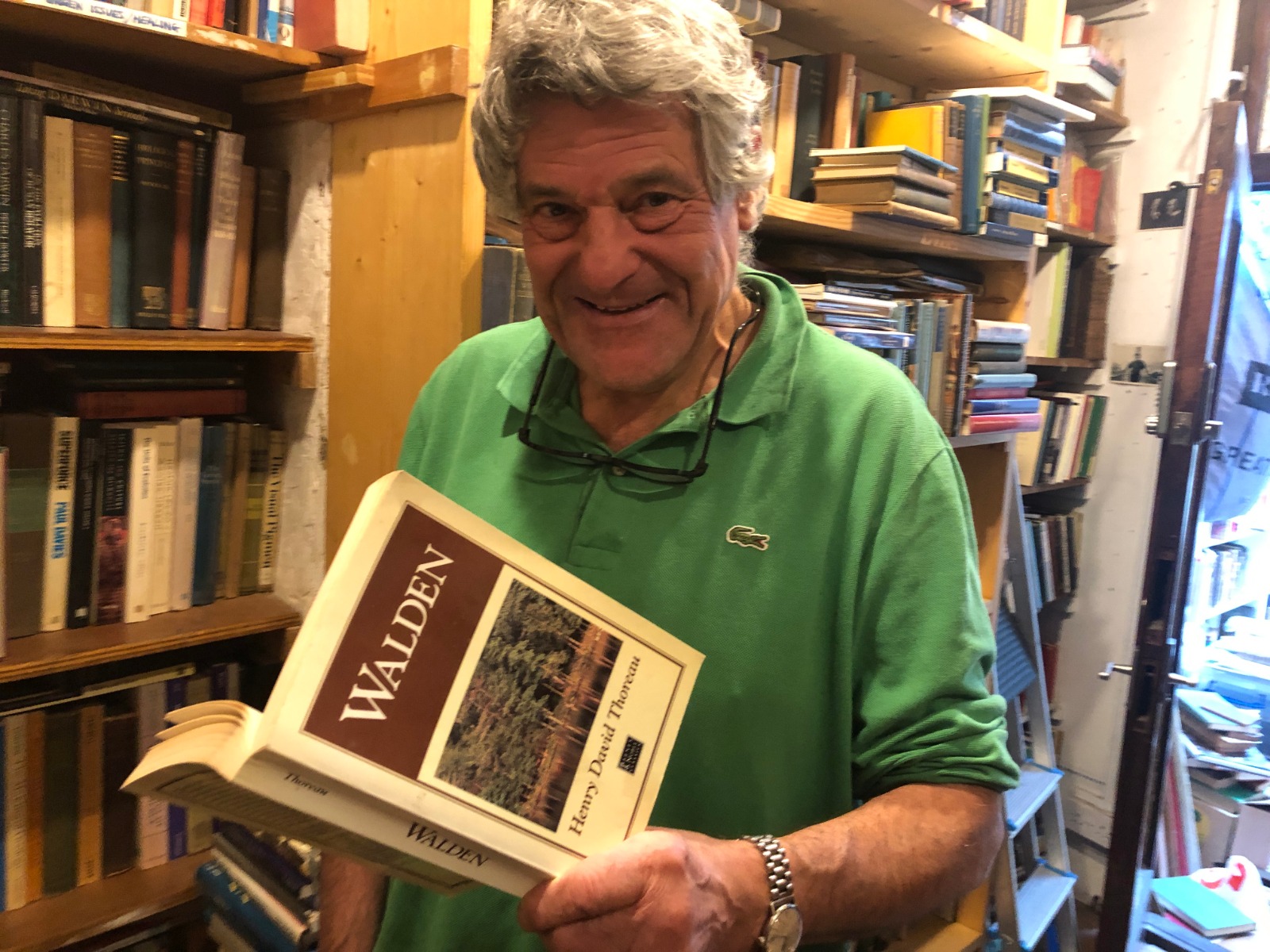
SECOND-HAND book dealers have reported a boom in sales of titles “nobody wanted” by mysterious agents believed to be acting on behalf of US tech giants.
Independent book-dealers told the New Journal they have received hun- dreds of orders from overseas companies for obscure books on niche subjects over the past three months.
The companies buying the books from online catalogues – not in bulk, but one by one – are believed to be feeding the demands of artificial intel- ligence language models such as OpenAI’s ChatGPT and Anthropic’s Claude.
The books being bought are often ones that have sat on the shops’ shelves for several years if not decades.
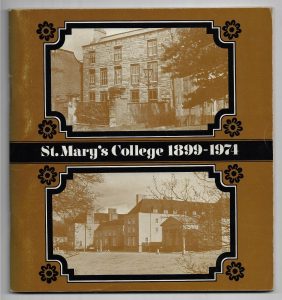
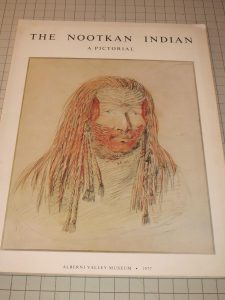
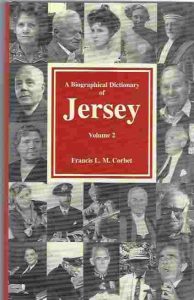
Some of the books sold at Walden Books in Harmood Street, Camden Town included A Biographical Diction- ary of Jersey: Volume 2 by Francis L M Corbet, The Nootkan Indian: a Pictori- al, and St Mary’s College 1899-1974.
David Tobin, who has run the store for decades, told the New Journal: “They seem to be ordering on such a scale from so many different sources – it all seemed to happen at once about two or three months ago.
“We sent them to a forwarding agent in Canada, just over the American border near Detroit… They then forward them on; they have some sort of nondisclosure agreement. They won’t tell us where they go.”
Mr Tobin said a single order he received consisted of more books than he sells in a week.
He said he had struggled to sell some for 25 years and that even the charity shops would not take them, such was their obscurity.
While the boom has been welcomed by some, there is also concern that the books are being destroyed while being gobbled up by the machines.
The BBC has reported on a court ruling in the US that revealed the process “includes removing a book’s spine so all the pages can be scanned rapidly”.
Mr Tobin told the New Journal the pattern only began this year.
“This is not positive for me or the world – it’s become this giant mill grinding up knowledge. It doesn’t bode very well for the future.”
Booksellers told the New Journal they felt torn between selling books they have been trying to move for decades or holding onto them out of principle.
The dystopian image of a book-consuming knowledge machine was not lost on Mr Tobin.
The bookseller referenced the fictional totalitarian regime in Ray Bradbury’s Fahrenheit 451.
And he added that while authoritarian governments “find the written word a threat”, in this case “it’s almost as if it’s become meaningless; they want the words themselves.”
Mr Tobin said the destruction of books in pursuit of extraction, rather than suppression, amounted to a kind of indifference about the written word.
But he admitted it’s not all doom and gloom.
“In the sense that it is selling books, yes, it is positive – they’re actually buying some things that no one else wants,” he said.
He agreed it was a form of recycling, and better than the titles ending up in a landfill, with the contents of the destroyed books being digitised instead of lost forever.
“They seem to be bought individually rather than in bulk… that means they pay shipping on each; it’s a very expensive way to buy books,” he said.
“Anybody who sells on [specialist book] sites gets a discount if they are dealers; they haven’t used that either… they’re losing a lot of money doing it that way,” he said.
Brian Lake, who owns Jarndyce Antiquarian Booksellers in Bloomsbury, told the New Journal: “We have only had one order from the AI behemoths – for one of our old printed catalogues.”
Mr Lake, who lives in Kentish Town, has sold many rare titles and manuscripts over the decades.
“A college had an order for a random selection of books worth several thousand pounds – he refused to sell,” said Mr Lake.
“If people haven’t woken up to the threat of AI yet, they never will.”
