Scandal of hospital patients left in corridors
Staff 'sanitised' to stretched conditions
Friday, 26th June — By Tom Foot
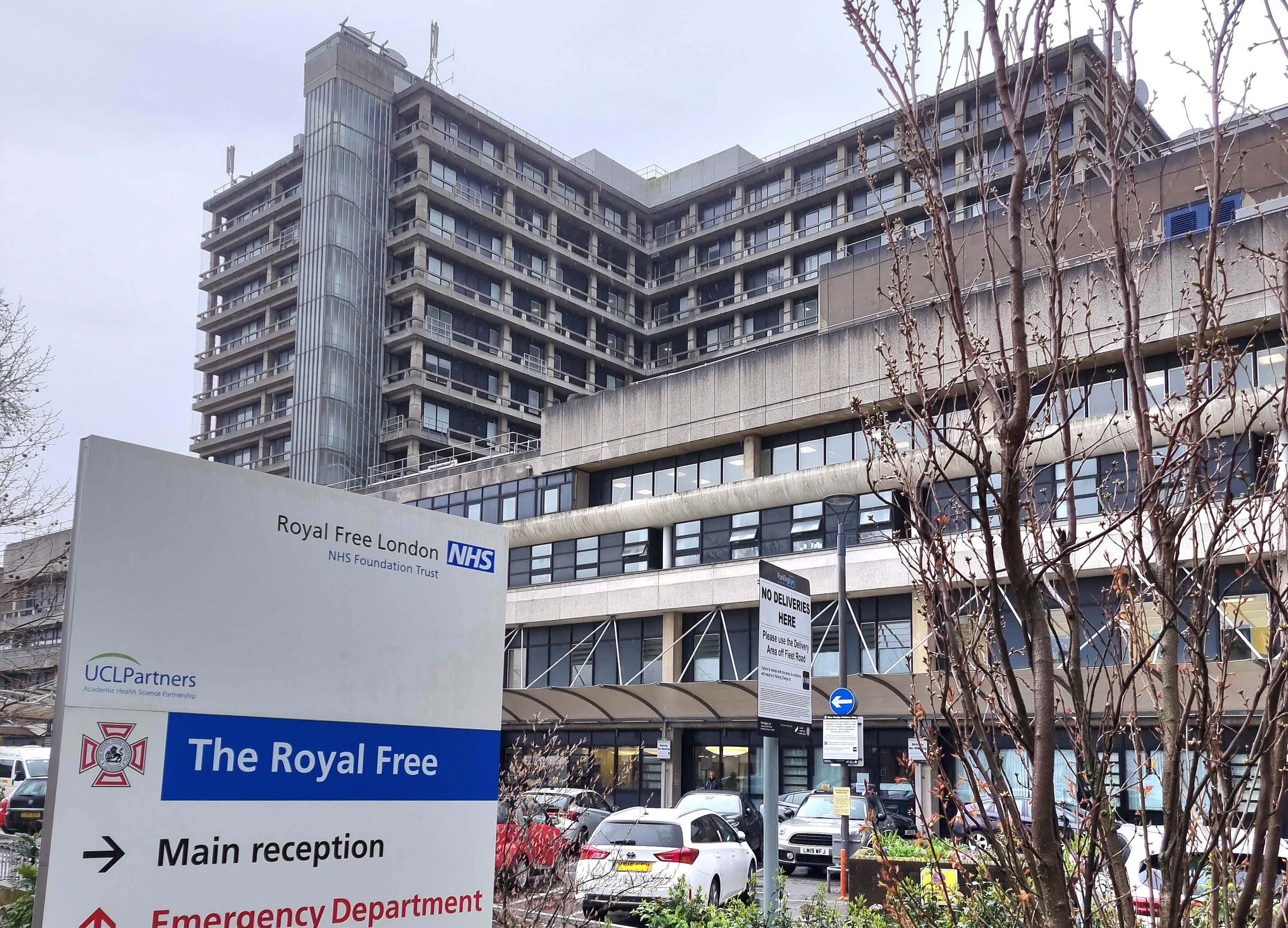
The Royal Free Hospital in Hampstead
HOSPITAL insiders say patient “corridor care” has become the norm after the government began publishing official figures on the scandal.
The Royal Free Hospital has reported between 10 and 17 patients being treated in a corridor while waiting for a bed each day in the last week of May. A patient is classed as corridor care if their treatment does not take place in a clinical-appropriate and safe setting – like a bed on a ward.
Royal Free insiders say the true numbers of those waiting in corridors to be assessed is far higher.
A staff source said: “Recently an 83-year-old patient was discharged from Barnet hospital and taken to the Royal Free. He had a cardiac arrest in the corridor and was rushed to resus, he died there. It’s becoming the norm. Staff have become sanitised to it.”
While corridor care is run by nurses, the source also spoke about a new system called “cohort nursing” at the hospital where patients are treated in ambulances in bays inside the hospital’s entrance.
They added: “The biggest issue is the amount of mental health patients in A&E that are in bays. They try to keep the mental health patients in one area so that they can concentrate staff resources but it isn’t always possible.”
The Royal Free London trust – which includes Barnet, Chase Farm and North Middlesex hospitals – has reported an average of 86 patients a day across the whole hospital. The Whittington and University College London Hospitals are yet to report any corridor care figures, although the problem is known to exist there too.
The New Journal recently reported on the Whittington advertising for staff specifically to work with corridor care patients.
The new data shows that more than 3,000 patients were treated in corridors across the country in May.
Over the years, NHS managers have taken decisions to close wards and reduce bed numbers as part of a cost-saving drive to have more patients looked after at home or “in the community”.
But this has not stemmed the numbers attending hospitals for treatment, which rise year on year – a problem often blamed on a lack of access to GP surgeries.
The numbers of trolleys being used has also rocketed to meet the demand, leading to many breaking down under the strain.
The Royal College of Nursing has warned that its members are struggling to meet a duty of care that was leading to an undignified service for patients.
One nurse describing how she had to change an incontinent, frail patient with dementia on the corridor, by the vending machine.
RCN general secretary Professor Nicola Ranger said: “Behind these figures aren’t just patients and families suffering, but nursing staff demoralised at being forced to deliver poor care, day in day out.
“This data is an important step and can help us understand more about the prevalence of corridor care, but attention and investment must also be on eradicating the practice for good.
“That means renewed urgency and new system-wide investment in beds, the nursing workforce in hospitals, and crucially, long-overdue action to boost capacity in community services and in social care to deliver care closer to home.”
The government has said that it has made ending corridor care a “priority” and would be drafting up “bespoke plans” for trusts with the highest rates of corridor care.
The former health secretary Wes Streeting has visited the Royal Free earlier this year but did not got to see the A&E for himself. Yhe current health Secretary James Murray said: “Corridor care is unacceptable, undignified and has no place in our NHS. That is why, for the first time, we are publishing this data to shine a spotlight on where the problems are greatest and ensure trusts get the support they need, with the vast majority of corridor care concentrated in a small number of organisations.”
A Royal Free London spokesperson said: “We have made significant improvements to urgent and emergency care waiting times over the past year, including for our ambulance handovers and four-hour performance.
“We are committed to eliminating corridor care and have invested in our emergency departments to increase capacity and improve patient flow. Additionally, we have increased the use of virtual wards and expanded our same-day emergency care which allows patients to be seen and discharged on the same day.”
