New island on Hampstead Heath pond will be a refuge for birds
'By making it inaccessible, it will be really clear this is for wildlife'
Thursday, 19th February — By Dan Carrier
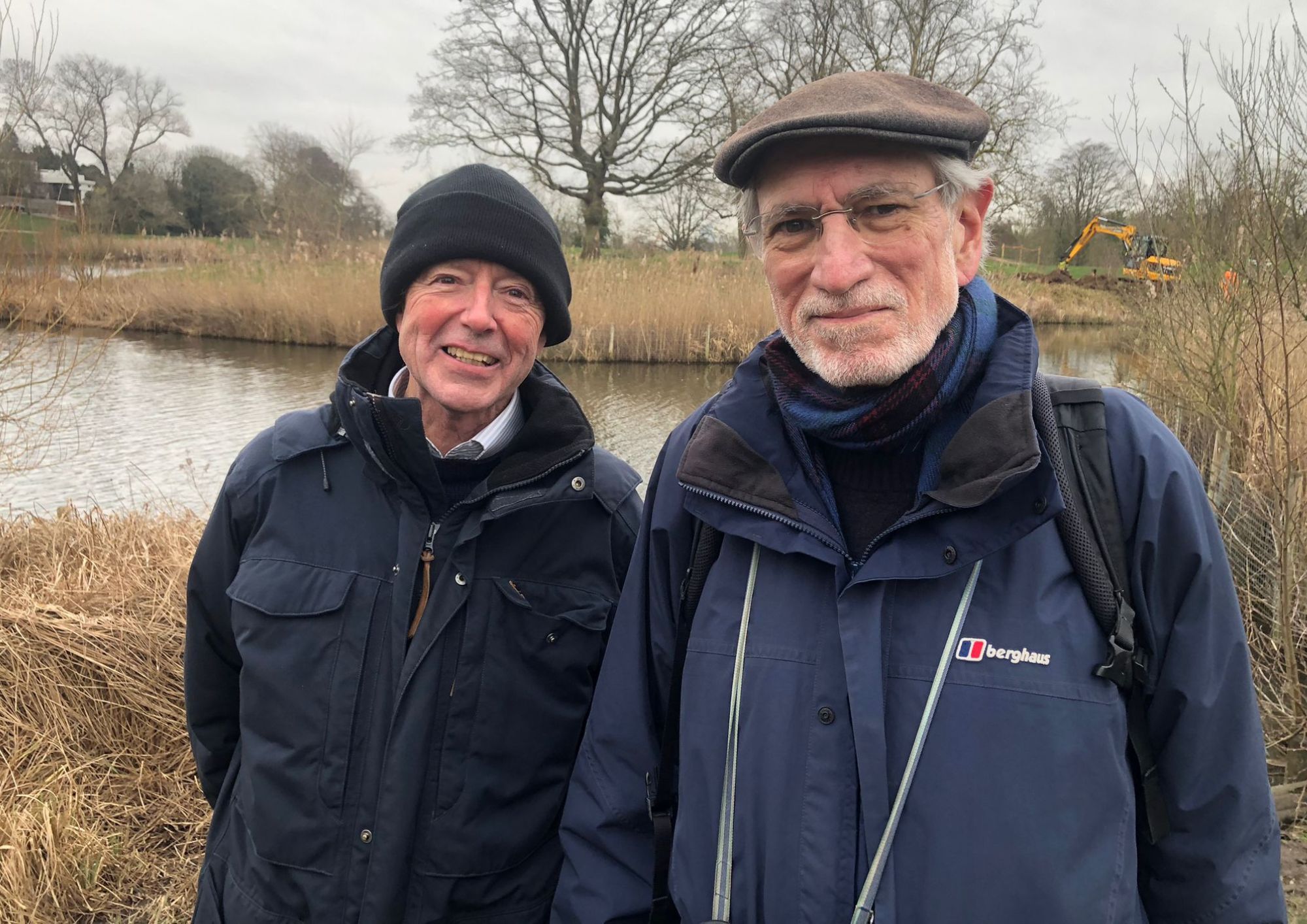
John Beyer and Heath ecologist Professor Jeff Waage
IT is the final piece to conclude a 10-year project: the creation of a new pond island on Hampstead Heath\.
Work began yesterday (Wednesday) on digging out a causeway to create an undisturbed wildlife sanctuary at Highgate Number 3 pond. It is the last leg of a City of London scheme to transform former reservoirs on the open space into havens for birds.
The island was created when the pond was expanded and its banks strengthened as part of a dam safety project in 2015.
The City drained the pond, removed decades of silt and introduce flood mitigation measures. The 300-year-old ponds were originally built by the London Metropolitan Water Board to provide drinking water.
Originally, the plan for this one was to create an “island” linked to the Heath for picnickers to use.
But City ecologists noted that it could become a haven for birds and it has been fenced off with public access barred.
The City said it could not afford to dig away the land connecting it – but a fundraising campaign saw members of the Heath and Hampstead Society donate £45,000 towards the £50,000 bill. The new island, known locally as “Glyn’s Island” after the popular Heath life guard Glyn Roberts who worked on the Heath for 25 years and died in 2017, will also create reed beds and wildflower areas.
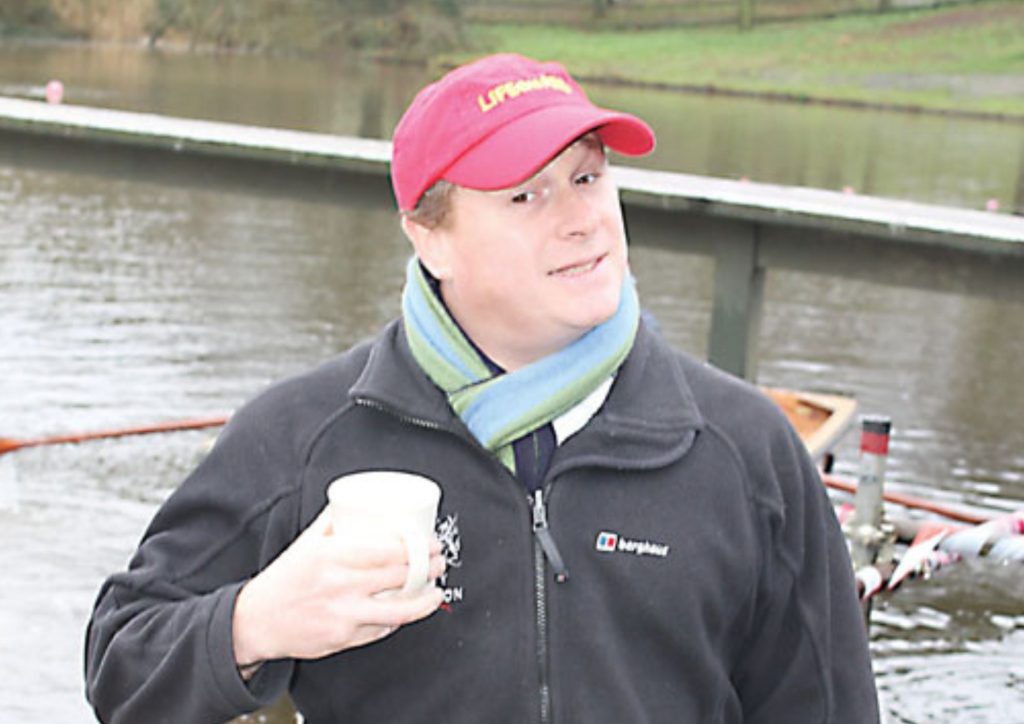
Glyn Roberts
The society’s John Beyer told the New Journal: “Work will start in three or four weeks, when there is a window in the weather, and hopefully will be completed in time for the nesting season.”
When the dam works began, some society members had been opposed to the project – the then vice president Helen Marcus was a vocal critic.
But Mr Beyer said the works had proved to be a success.
He said: “It not only has mitigated the risk of a dam collapse and flooding, it has improved the water quality. The City added extra planting and re-wilding and the result has been more wildlife, such as dragonflies. And creating this wildlife refuge will help with wildfowl breeding, too.”
He added that taking away the fenced-off causeway would make the space safer for birds.
“By making it inaccessible, it will be really clear this is for wildlife,” he said.
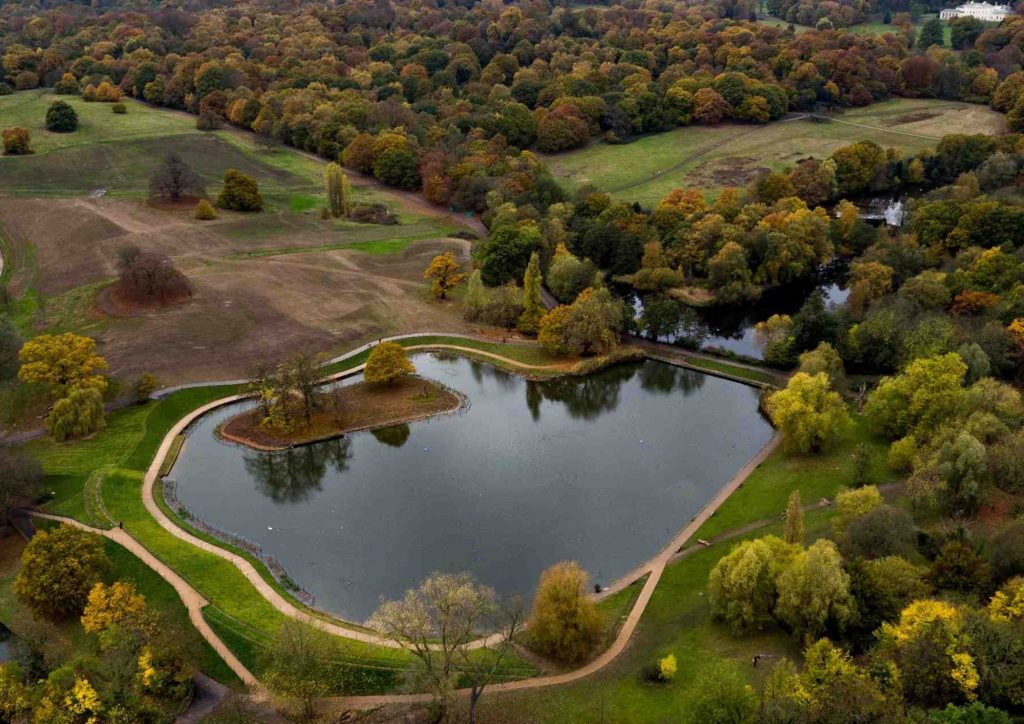
The Highgate Number 3 Pond
The pond, once used for model boating, is home to swans, great crested grebes, Egyptian geese, moorhens, coots, mallards and drakes – and the hope is the new island will attract other, rarer birds such as snipes and woodcocks.
Mr Beyer added: “People want to have areas that are completely wild and with no access – and there has been widespread support to make this a proper island.”
Heath management committee chairman Alderman Gregory Jones KC, thanked donors, adding: “By removing the causeway, we’re giving species like mallard, coot, grebe, and swan a safe space to feed, rest, and nest – free from human disturbance.
“It’s a place they already use, and soon they’ll have it all to themselves.”
