Activist Winston Pinder was ‘towering figure’ in the fight for social and racial justice
He launched the Kentish Town Youth Centre in Hadley Street
Tuesday, 2nd June — By Angela Cobbinah
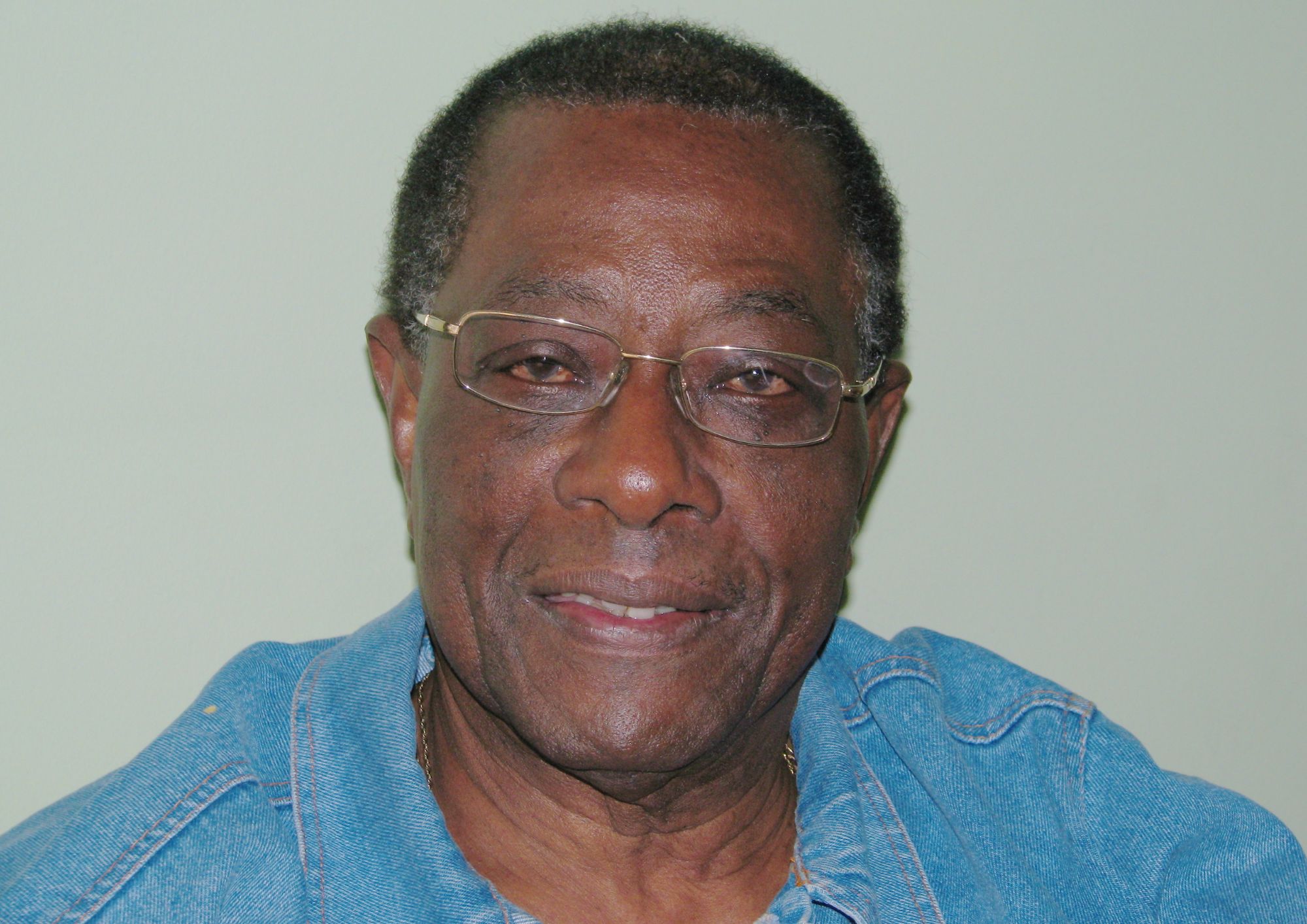
Winston Pinder
TRIBUTES from all over the world have poured in for legendary youth worker and political activist Winston Pinder, who has died aged 93.
Veteran campaigner Gus John described him as a “towering figure” in the fight for social and racial justice, while those he worked with as youngsters in Camden credit him with transforming their lives at a time they faced bigotry on all fronts.
“Whenever those of us from back in the day meet, Winston’s name always find its way to the top of the conversation,” said Randolph “Zebe” Principal, who attended Winston’s Kentish Town Youth Club in the 1970s and would go on to become a youth worker himself.
“He was the man who strengthened us, stood by us, organised us and encouraged us to be proud of our culture. I can speak for my peers and say that, without him, most of our lives would have taken a different direction.”
Winston’s passing marks the last of the individuals alive who worked with civil rights heroine Claudia Jones, the person he considered his political mentor.
He first met her at Victoria Station in 1955 as part of a welcome party following her deportation from the US and the encounter would define the rest of his life.
In 1984, 20 years after her death, he led youngsters in a fundraising campaign to erect a stone on her unmarked grave in Highgate Cemetery.
As he rose through the ranks to reach the top of the youth sector, in the days before the government wrecking ball had been applied to it, Winston was influential in shaping the capital’s youth policy yet, astonishingly, still had the energy for a myriad of causes, be it the Barbados Democratic Labour Party, New Jewel revolution in Grenada or, closer to home, Camden Community Law Centre, allying himself with an array of pioneer activists who had set out, like him, to make a difference at a turbulent moment in history.
“Winston Pinder was a towering figure in the post-war black settlement in Britain,” said Professor John, who was education director during Winston’s tenure as Hackney’s youth chief.
“I can think of no other person that has been so pivotal in defining the contours of the relationship between youth, race and class, in policy and practice. I also owe him an immense debt of gratitude for my political and personal development.”
Winston was born on Christmas Day in 1932 in Port of Spain, Trinidad, but brought up in Barbados, where his parents hailed from, the second of five children.
He cut his political teeth while working as a telecoms engineer in British Guiana in 1952, where he came under the influence of Cheddi Jagan, who was leading the push for self-rule.
When he arrived in Britain in 1954, he joined the Communist Party of Great Britain (remaining a member until its dissolution in 1991) and found work as a Post Office engineer, settling in Kentish Town with his wife Erma and their four children.
It was the dearth of anywhere for black youngsters to congregate freely that led him to set up a makeshift youth club at his home before finding a nearby church hall to rent, then an abandoned fire station in Camden Town, which, as a 12-year-old, the singer Eddy Grant attended.
With the help of the Post Office Workers Union, he took a social science degree at Ruskin College and became a youth worker for Camden Committee for Community Relations, which would controversially sack him in 1978 for “incompatibility”.
But during his time there he launched a number of important initiatives, including the Kentish Town Youth Club in Hadley Street and the Paul Robeson House for homeless youngsters in Woodchurch Road, West Hampstead, a once empty council property that he and other campaigners had squatted before the intervention of Camden housing chair Ken Livingstone.
By now living in Kenton, Winston independently founded the Afro Caribbean Organisation in Gray’s Inn Road, King’s Cross, which doubled up as a drop-in centre for youngsters and a place for study, debate and campaign work.
Tony Benn, Ngugi wa Thiong’o and Fenner Brockway were among those who spoke at a landmark anti-racism conference it organised at the Camden Centre in 1985.
He worked as deputy senior youth officer in Islington, before moving on to Hackney.
In retirement he helped run the Dutch Pot, a luncheon club for Caribbean elders in Westminster and was a frequently called-upon speaker at events, valued for his expertise and knowledge.
In 2022, he was special guest at the inaugural memorial gathering around Claudia Jones’ graveside.
“I will never forget that occasion,” David Horsley, one of the organisers, said.
“Old friends and comrades turned out in force, not just for the event, but to once again meet the man who had been such an inspiration to them.”
Remembered fondly for his patience, encouragement and ability to forge unity out of division, he was also enjoyable company, a man who loved cracking jokes over a drink and wax lyrical about the glory days of the Windies cricket team.
In March, he was presented with Winston Pinder: Comrade, Mentor, Friend, a booklet of heartfelt tributes from those he had worked with or helped over the years.
He died peacefully on May 16 at Northwick Park Hospital after a brief illness.
