‘It’s one thing being an insurgent – and another being in power and being expected to run things’
Richard Osley meets Andrew Gimson – a renowned chronicler of our current troubled times – who has trawled the past to tell the story of his top idols in history
Friday, 5th December 2025 — By Richard Osley
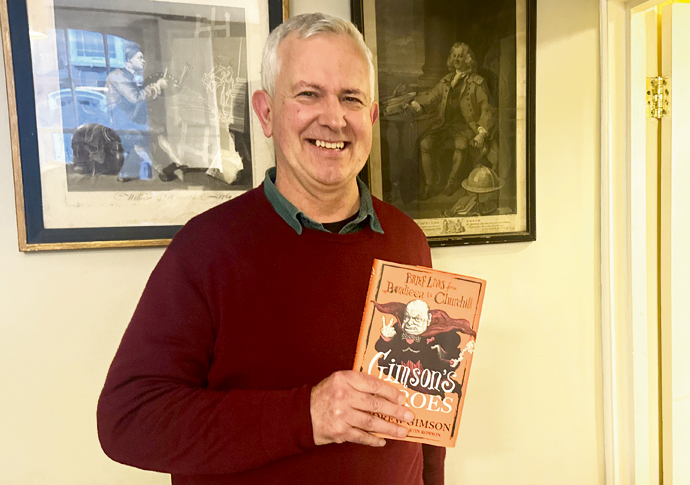
Andrew Gimson with his latest book
MANY lay claim to being the first to predict that Boris Johnson would one day become prime minister. Andrew Gimson was certainly one of the early weather forecasters in a biography published long before he eventually arrived at Downing Street. People were complacent that a haphazard jester could ever get the top job and amid the sleepwalking, Johnson outmanoeuvred everybody else, as Mr Gimson had always suggested he might.
So before we get on to his new work, how does he feel now we’ve come out the other side?
“Boris was a popular insurgent – he thrived on that, we saw that with Brexit,” he says. “But it’s one thing being an insurgent and another being in power and being expected to run things. That was a problem for Boris. He wasn’t as good or as interested in that.”
Mr Gimson saw British politics at close hand with long service at the Daily Telegraph, including a sharp stint as its parliamentary sketchwriter. You can still find him drawing colourful scenes on the Conservative Home website and elsewhere.
As a sample, he wrote of Rachel Reeves’ performance at the budget debate last week: “The chancellor resembled an apparatchik of the late Soviet period who is striving to present the latest tractor production figures as a triumph, knows she is failing lamentably, but is nevertheless condemned to press on from one dodgy forecast to the next.”
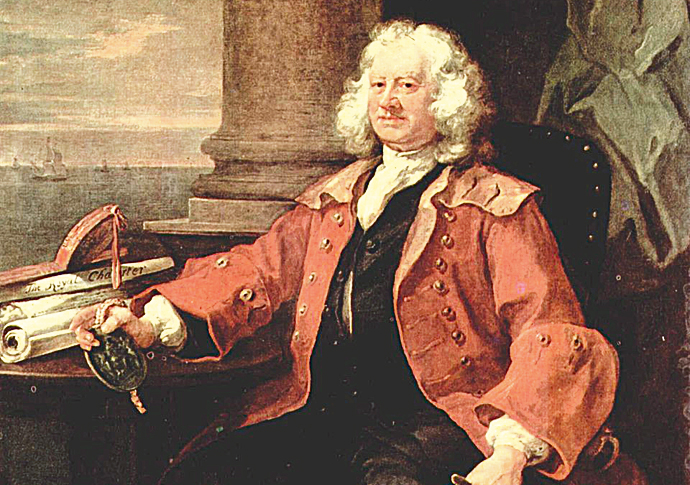
Philanthropist Thomas Coram, a favourite of the author
At one time such bite about the UK’s first female chancellor might have caused trouble at home, and many moons ago he was in the New Journal as the Tory uncomfortably making the teas for Labour tactics meeting at the kitchen table as his wife, Sally, became a Camden councillor and almost an MP.
While they have amicably gone their separate ways since then, it’s nice to see the bookshop down their old high street in Kentish Town promoting Ms Gimson’s recent analysis of High Speed 2, Off The Rails, next to his latest, Gimson’s Heroes.
You get the impression that Mr Gimson still admires Johnson for his apparent wit and entertainment factor, but the Covid rulebreaker isn’t even close to featuring in these short histories.
“I probably indulged him too much already,” Mr Gimson says over coffee at his Camden Town home. We agree that anybody who can communicate or even just make a speech might already have a jump on the current Labour frontbenchers and the obvious itch to talk about next is whether we’d see a Johnsonian rise and a Nigel Farage crash, but there are 60 heroes to review and Mr Gimson is as much as a historian now as a Commons runes reader.
Nevertheless, it’s fun sport to tease him that Gimson’s Heroes – his surname is becoming a bookshop brand, after compendiums of kings and queens and prime ministers and presidents – appears to include many you might associate with left-wing struggles, or at least social reformers horrified by poverty.
We are taken through a tour that meets Camden locals like Charles Dickens, Mary Wollstonecraft and Thomas Coram, after whom the park near the Brunswick Centre is named.
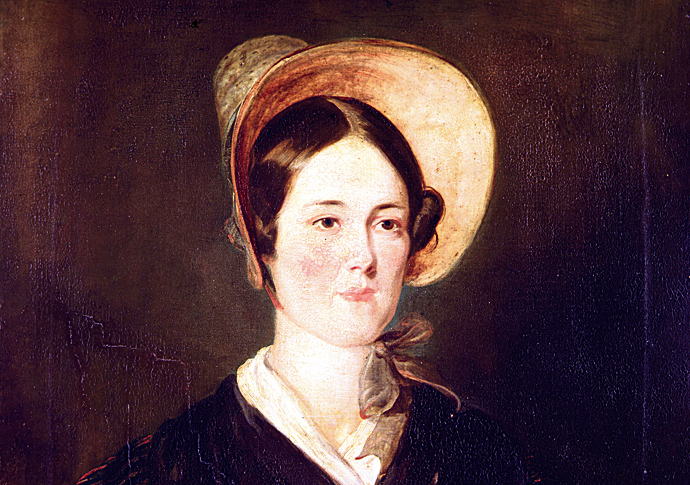
Lifesaver Grace Darling
“These short histories, or brief lives, are not supposed to be exhaustive, and I hope they inspire people to go and learn more about the heroes here,” he said. “But there are anecdotes and stories which try to show how someone becomes a hero. It is rarely somebody who is part of the establishment.”
Coram is a favourite, so much so his framed picture is up on the wall looking down at us from the dining table wall.
He established the Foundling Hospital at the top of Lamb’s Conduit Street to rescue children abandoned on London’s streets in the 18th century.
“There was opposition to what he was trying to achieve, but he is a great example of someone who was determined to make a change,” Mr Gimson says.
The doubters said his idea would cost too much, and simply encourage more children to be born and then abandoned to this new institution, but the book reveals a dogged determination which would improve the lives of so many.
“It seems he spoke his mind with tactless freedom when he detected anything that looked like inefficiency or corruption,” he writes of Coram, another example of an agitator not playing by the rules.
Those less celebrated elsewhere but deserving of chapters in his book are Grace Darling and Thomas Clarkson, he adds. “Amazing Grace”, a lighthouse keeper’s daughter, helped rescue people from the sea when a paddle steamer crashed in Scotland in 1838, while Clarkson was an unsung abolitionist.
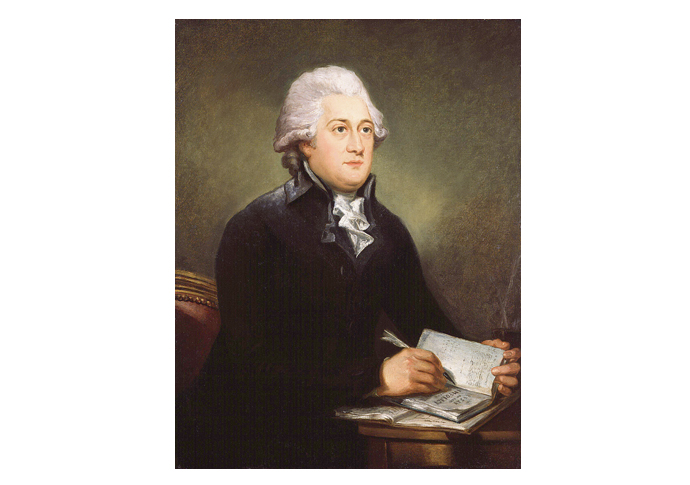
Abolitionist Thomas Clarkson
“He doesn’t get the credit he deserves really,” says Mr Gimson. “He was one of the few determined to find out what was happening on these voyages and the awful conditions for men manacled and tightly packed together. He went around Liverpool to collect the evidence, speaking to people in pubs who had seen this and he was almost murdered for doing it.”
There is a big picture of Sir Winston Churchill on the front of the book, which feels very on brand, but he then describes his post-war election loss as greatest example of democracy the UK has seen – the public deselecting the war hero straight after victory.
And soon we are on to Nelson Mandela, another of those “insurgents”. The anecdote he likes to tell is a meeting Madiba had with Margaret Thatcher after his release. “She kept him in Downing Street so long, the press outside started to call ‘free Nelson Mandela’,” he explains.
It’s a whistlestop ride, full of such asides, but you get the feeling there are more lists in his whirring head of history for future editions.
• Gimson’s Heroes: Brief Lives from Boudicca to Churchill. By Andrew Gimson. Constable Books
