‘If it’s weird and slightly offbeat, that seems to get people out’
A newsletter that locates great no-cost nights out is a boon for the hard-pressed young. Lloyd Bickham spreads the word
Thursday, 23rd April — By Lloyd Bickham
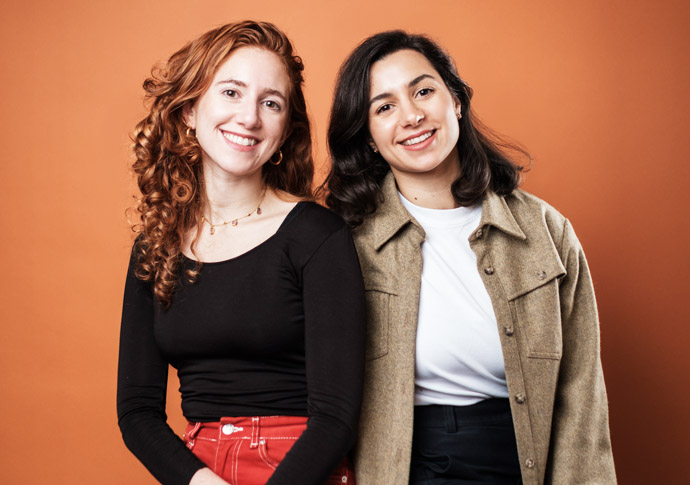
Kate Samuelson, left, and Georgia Weisz [Lu Guertler Photography]
THE quirkier the better, we find. If it’s weird and slightly offbeat, that seems to get people out,” claims Kate Samuelson.
This week, alongside friend and business partner Georgia Weisz, she’s sending readers of their Cheapskate London newsletter to a “brainrot charm-making workshop”, an all-day jam at the Roundhouse and a “build your own micro-wormery” session. All, crucially, for free.
And people turn up. While the number of pubs in the capital continues to decline, free night-time events have soared in popularity. “Nowadays, the newsletter curation doesn’t take long – we have so many good contacts, and new places reach out with free experiences all the time,” says Kate from her desk in Finsbury Park.
Cheapskate has been a labour of love. “We were both in our mid 20s, wanting to go out and make the best of living in London, but everything was so expensive. We were looking for great things to do for free, but found it quite hard to find out what was going on,” Kate tells me.
A journalist by trade, she teamed up with Georgia in 2019 and began collating weekly guides to the city’s no-spend scene, building a community of readers which now totals over 65,000.
It’s not all been plain sailing. The Covid-19 pandemic meant that, for a while, “there were no events, at all. We pivoted and focused on virtual events which were quite amazing. There ended up being a lot going on online. It meant that Londoners could still be part of a community,” Kate recalls. “There were talks, virtual museum tours, life-drawing via Zoom…”
Emerging from the pandemic, London’s housing market and the cost of living has continued to whip up a perfect storm for Cheapskate, with the “need for what we do having grown and grown,” says Kate. As 25 to 35-year-olds – Cheapskate’s largest audience – report dwindling disposable income, free events have become a lifeline.
“Enabling people to go out and have fun is so important. It’s often forgotten in conversations about the cost of living crisis, but fun and social connection is vital for your mental health,” she says.
The cost of living is redrawing social behaviour, too. Gone are flashy first-date meals – many of Cheapskate’s subscribers use the newsletter as inspiration for initial meetings with online matches. “It’s very low commitment, for a first or second date, when you’re not sure you want to commit to buying a ticket for something, or spending money on dinner and drinks,” Kate has been told.
She is proud of what London offers to those keeping an eye on their wallets. “I don’t think there’s another city that can match the amount of free culture we have,” she says.
Such is the popularity of no-cost night-time activities that Cheapskate has found itself working with large-scale institutions such as the National Portrait Gallery and Science Museum, as they seek ways to bring new audiences through their doors.
As Kate eyes a possible expansion of Cheapskate in Manchester and Edinburgh, she’s optimistic about the future of the night-time economy. “Our readers aren’t really cheapskates,” she says, “they’re just quite discerning about how they spend their money and want to feel like they’re getting good value for things.”
I can attest – it’s easier to swallow the cost of a London pint when you’re on a converted boat about to watch a free mystery film. You can do that every Wednesday in Canary Wharf, by the way.
