Eco2026: Long-time BBC environment expert's misinformation alert
Roger Harrabin depressed and worried about how media covers the climate crisis
Monday, 9th February — By Tamir Islam
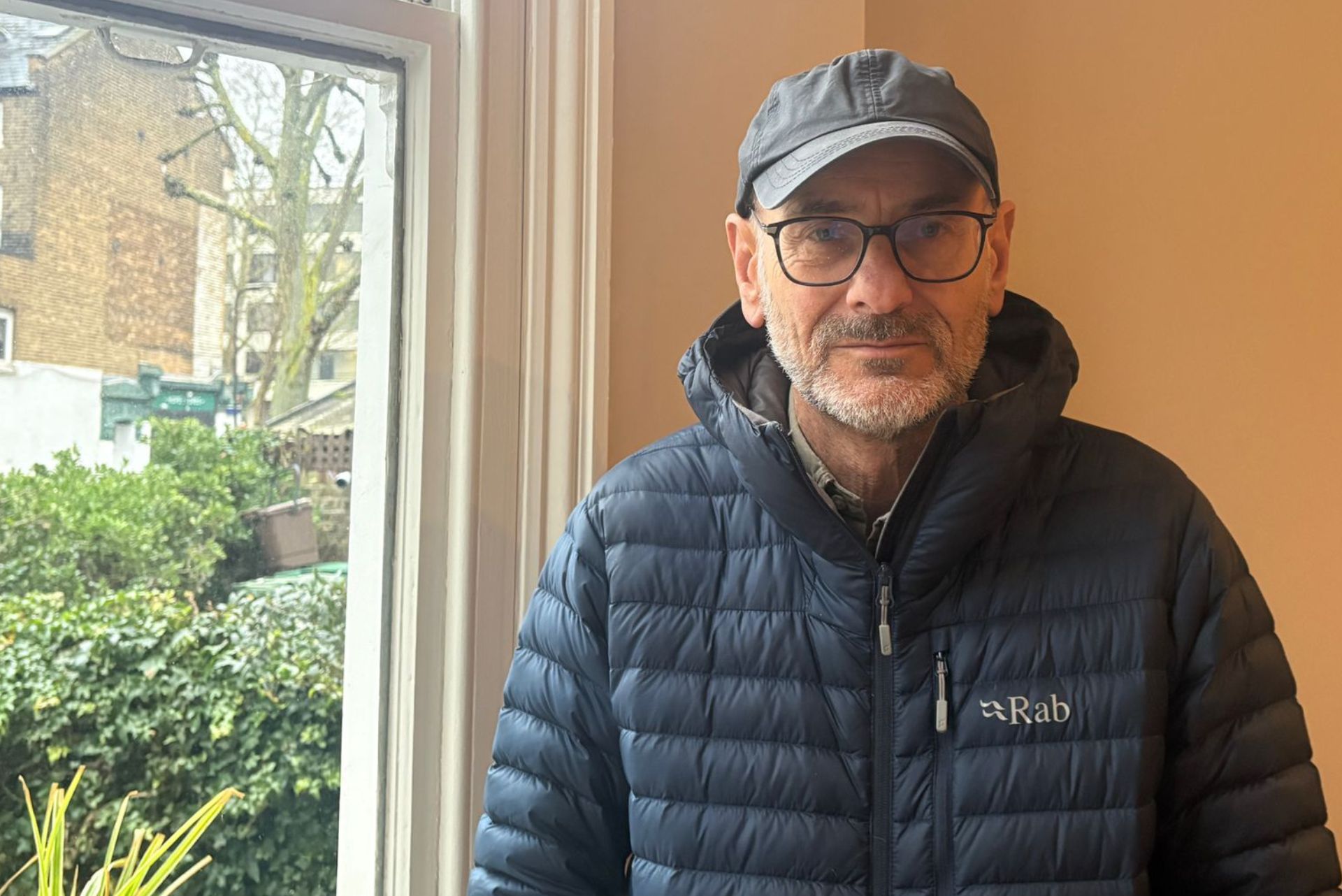
Roger Harrabin at home in Gospel Oak
BY TAMIR ISLAM
A JOURNALIST who spent 35 years as the BBC’s energy and environment analyst says the battle against misinformation is getting harder and harder.
Roger Harrabin, who lives in Gospel Oak, said some newspapers were just “swallowing stuff and regurgitating it” when the climate crisis needed a forensic lens.
He said climate sceptics were getting a hold in the news cycle, adding: “More recently, the mainstream position amongst sceptics has not been to decry the science anymore because the science is impossible to deny.
“Their main theme has been to say, ‘Okay, there is a problem, but maybe it’s not too bad and we will adapt to it, but we can’t do much to stop it anymore because it’s too expensive we can’t avoid it.”
Mr Harrabin was a regular face on the BBC’s bulletins as the environmental crisis got worse.
He said he was glad that the task had now been handed onto somebody else as “it’s depressing and an uphill battle to get anyone to listen,” adding: “Also you’re battling against a stream of misinformation on net-zero from right-wing newspapers – it has been absolutely extraordinary.”
When asked what coverage he was referring to, he said: “The Mail have produced a stream of stuff, and The Telegraph but also sometimes The Times. They’re just swallowing stuff and regurgitating it and there’s a game going on as to how you can get into the editorial columns of the newspapers by bypassing the specialist correspondent from those newspapers who say: ‘No actually, this isn’t right. You know, electric cars are doing really well.’
“Their specialists are being bypassed by individuals who have political influence and influence with the papers.”
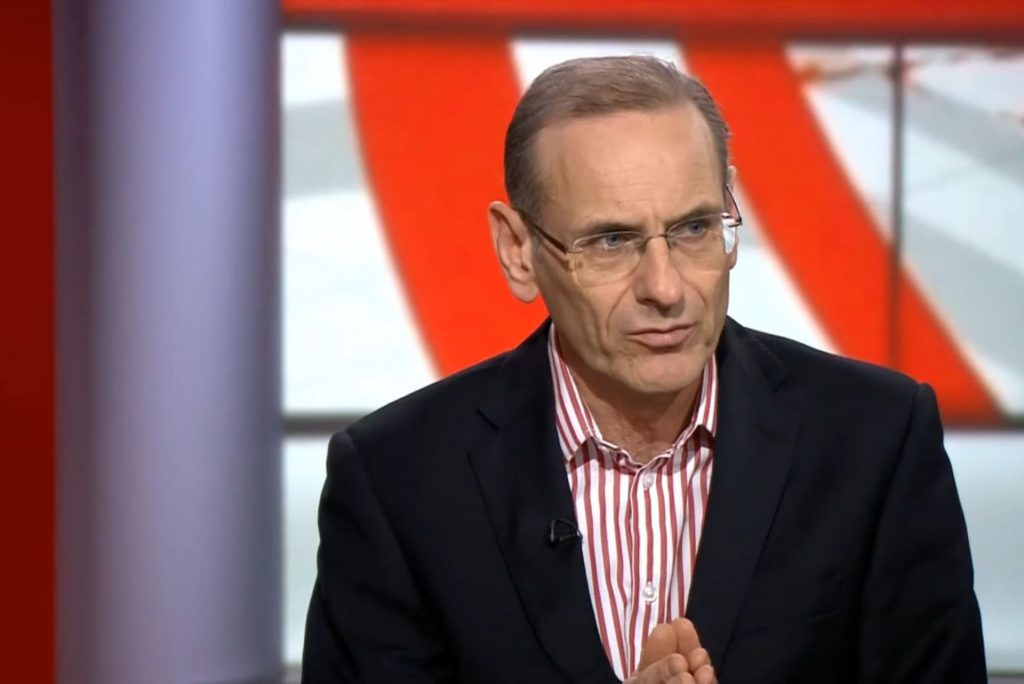
Mr Harrabin was a journalist and analyst on the BBC for 35 years
He added: “When you get an episode like you had recently in which BP tried to get more green or get less and less polluting, the shareholders turned against them and they were forced to rescind rather than damage their stock price any more. So, I kind of wonder what is the point of arguing with those people because they can’t do it. You can’t ask a leopard to change its spots.”
“There has been from the start an undercurrent of bad actors, of people in the oil industry, the gas industry, the coal industry whose job has been to subvert climate change science.”
He spoke about his own role as reporting on the climate crisis, adding: “As a journalist I think it’s my job to continue to alert people to the level of threat. The level of threat is extreme. I’ve been saying for several years now that climate change has been running faster than was generally thought and I think that’s now proved to be true and it means we have to go faster.
“It’s very difficult to go faster because that demands policies in the UK which would take into account what’s happening in China and India. China is producing and using far more renewable energy than any other country in the world. So that’s gone, that excuse for not doing anything, that’s gone.”
He added: “The other excuse that it’s not worth doing anything because it’s too late. Well, that’s a bleak excuse and I don’t want to be involved in promulgating that.
“We shouldn’t give up. It’s easy to be pessimistic about the science, but it’s also easy to be optimistic about the technology because solar is now establishing itself as the dominant power in energy production. Human ingenuity is there.”
