Eco2026: How to power it up – but pay less!
Power Up North London is working on green electricity sold back to the National Grid
Monday, 9th February — By Dan Carrier
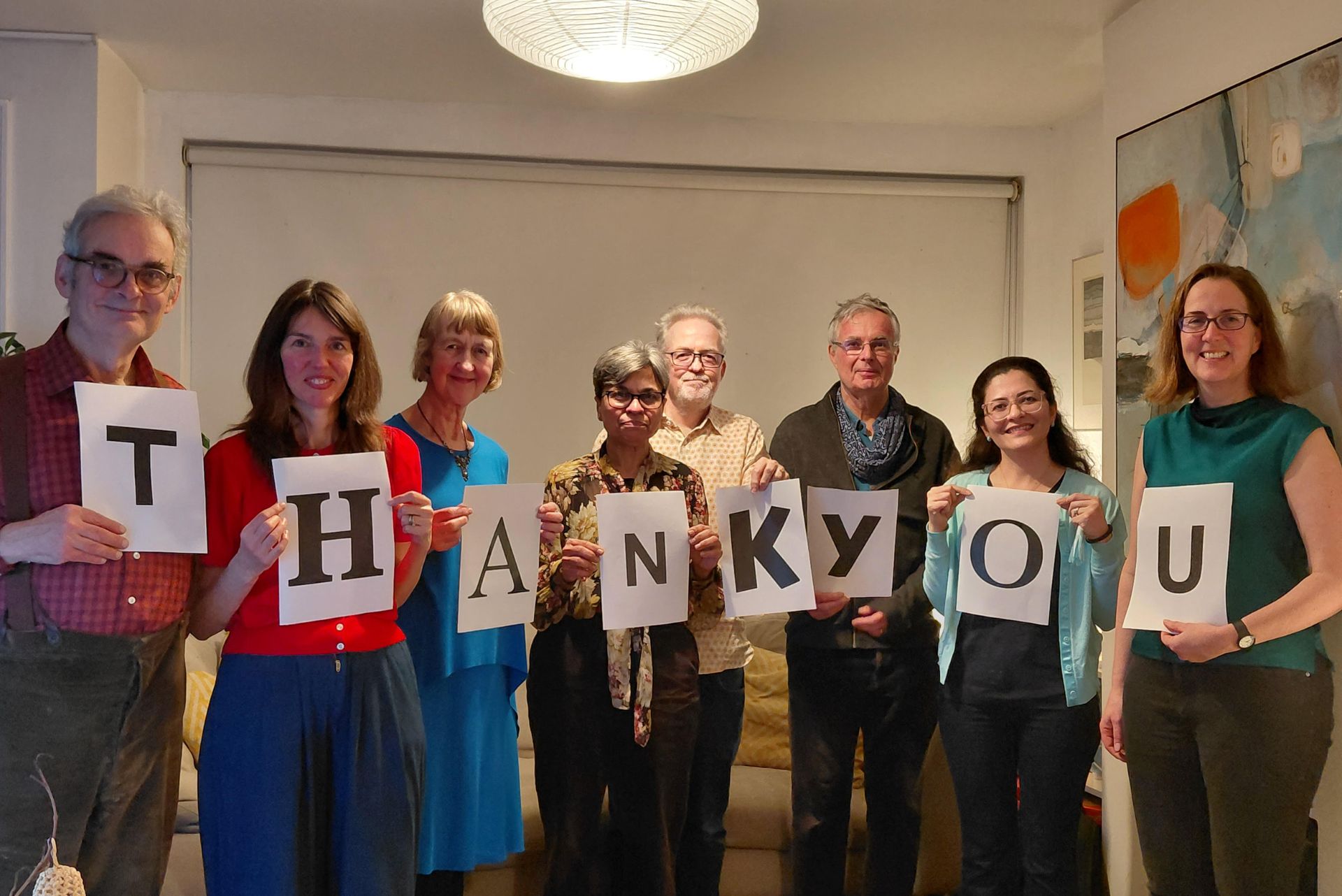
Volunteers from Power Up North London
FREE, clean energy – not the preserve of sci-fi writers, but the aim of a group of concerned citizens who came together 11 years ago with one aim – to decarbonise their neighbourhood.
Now, the co-op-owned power generation group Power Up North London (PUNL) is celebrating completing 40 projects and has become a key player across the borough to help beat fossil fuel dependency.
It raises funds through grants and then, through community share offers, invite people to invest a small amount into a project, and then pay out a dividend raised by the finished power system selling electricity back to the national grid.
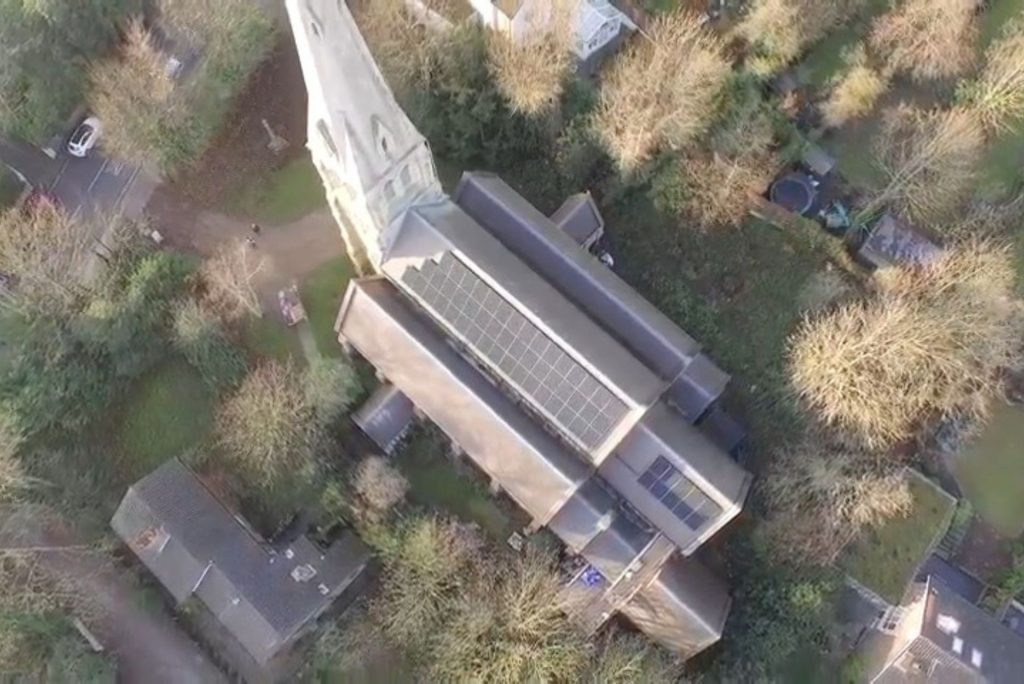
The project where it all began can be found on the south-facing roof of the 1853 built St Anne’s church in Highgate.
PUNL chief executive Tanuja Pandit said: “It came about when the good citizens of Kentish Town and Highgate in the Transition Town Movement who felt they could do something quite specific about climate change. The aim was to see how we could help community buildings become more efficient.
“They set up a community benefit society – a co-op, essentially – allowing members to buy shares in energy schemes.”
Scores of neighbours wrote to the Town Hall to support the first project at the church in Highgate West Hill, but due to the building’s heritage, planners were at first lukewarm.
“It was a real challenge because it was a listed building,” said Mr Pandit.
“Camden initially refused permission but reversed that decision in the face of the strength of feeling in the neighbourhood. It was very significant and it put PUNL on the map.”
Ms Pandit has had a career in business and finance, as well as working for charities and other community organisations.
She became chief executive – an unpaid role – two years ago and now PUNL has won a Lottery bid to be able to employ a new CEO full time.
“This is not a commercial organization but one that thrives on collective voluntary efforts, and community involvement is a large part of it,” said Ms Pandit.
“There are many social benefits – being involved with these projects helps people’s well being, not just through cleaner energy use and a better environment both locally and globally, but it gives them an important sense of pride in helping their community, and helping make a difference.”
After the success at St Anne’s, PUNL turned to the Caversham Group Practice, a GP surgery in Kentish Town.
The savings in energy bills made sense for the practice in the face of NHS budgets being squeezed.
“We have found community groups can save money on their electricity bills and then invest those savings into other green schemes that improve the environment,” added Ms Pandit.
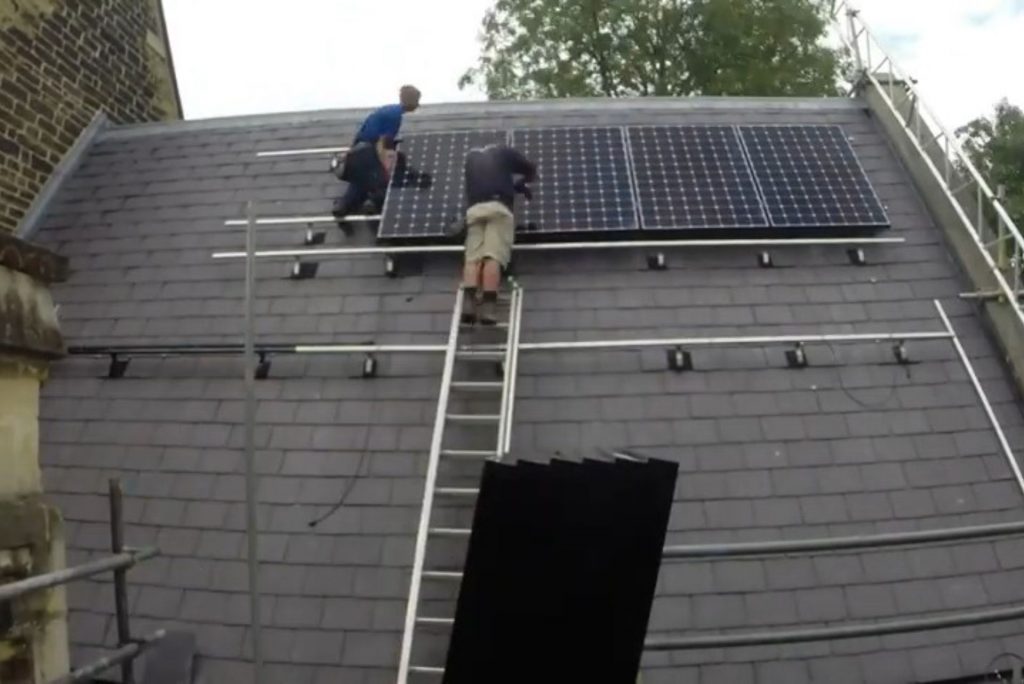
Solar panels are fitted to St Anne’s Church in Highgate
At Caversham, this has included creating a sensory garden for patients.
PUNL is well established now and have a community energy fund that they can draw on to invest in projects.
“If we can provide work for local installers, they can then take that work into the supply chain. It is about building resilience,” said Ms Pandit.
“This can be about installing draught-proofing, refitting windows and other retrofitting elements. We want to help develop local suppliers for this type of work.
“It means people can become ambassadors in the community to promote greater energy efficiency and help people tackle the costs.”
On top of this, PUNL run fuel poverty workshops for groups and individuals, so people are empowered to make sensible decisions over how they decarbonise their homes and save money.
PUNL have recently installed 200 solar panels at Regent’s High and a further 200 at Parliament Hill School – saving the equivalent carbon that 1,400 trees a year would remove from the atmosphere.
Ms Pandit said: “We have now done over 40 projects across north London and we have projects in the pipeline, waiting to be done. They range across Camden, Islington, Haringey and Enfield.
“We are supported by architects who often work for us pro bono – it means with projects at the schools we can make the investment go that much further, and allows us to draw up feasibility studies,” said Ms Pandit.
While targeting publicly owned buildings has been a model that has been successful – both in decarbonisation figures, helping develop skills and showing what is possible – PUNL wants to make an even greater impact.
This has led to the formation of a neighbourhood-wide decarbonisation programme, focusing on the streets and buildings in Archway.
Called ACE – the Archway Community Energy project – it aims to take the Archway neighbourhood and see how PUNL can help decarbonise swathes of buildings and streets.
“We have to go fast and do more,” said Ms Pandit.
