Yes, blood! Harriet the cat saves lives with donations
Interview with transfusion expert at Royal Veterinary College
Friday, 12th June — By Tom Foot
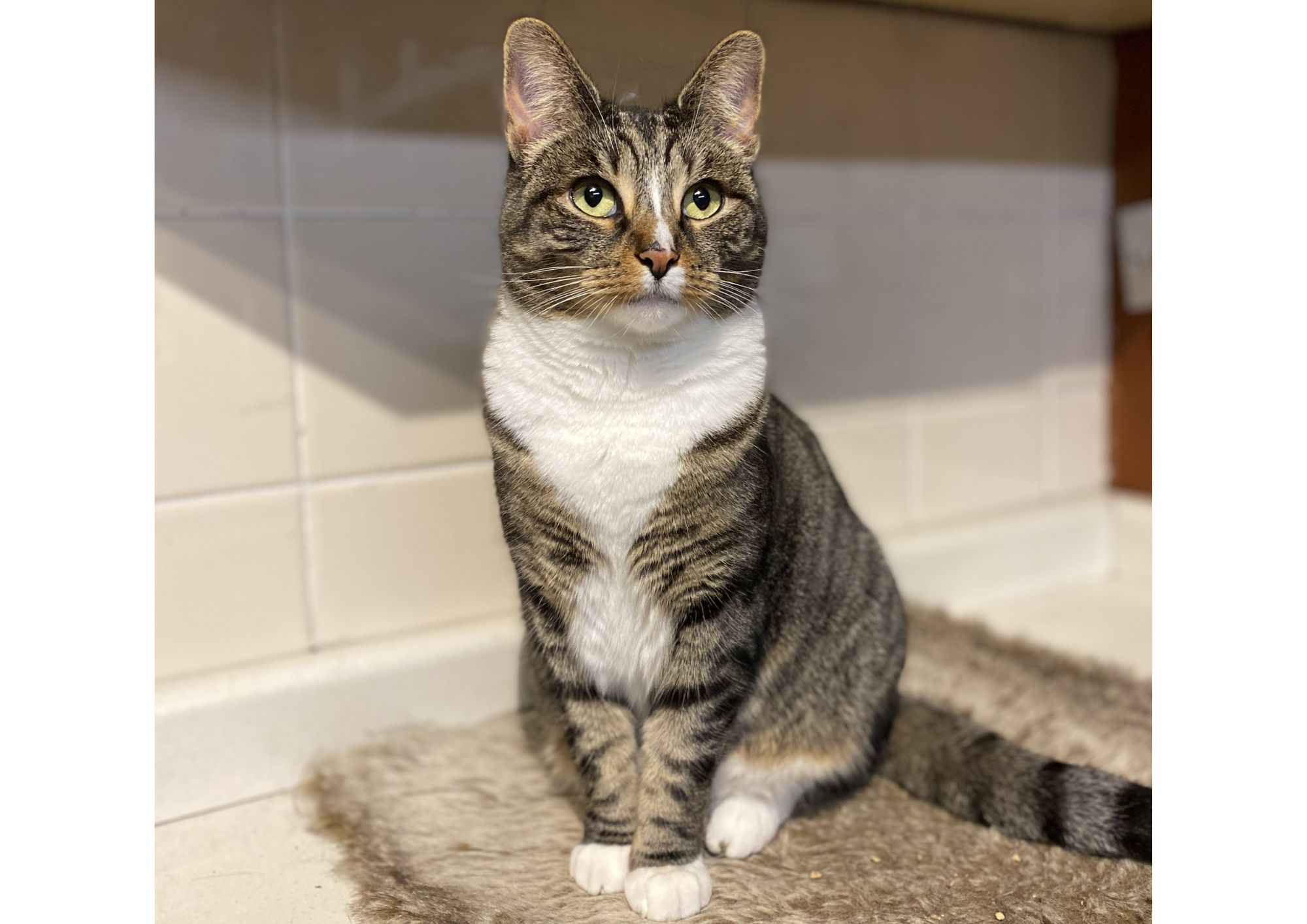
Well done, Harriet
CATS are often vilified as selfish, typically prioritising territorial disputes with other mogs, eating, sleeping all day, torturing defenceless mice or snaffling baby birds.
But this week felines’ “owners” are being invited to show their pets have an altruistic side, following an urgent call for donors at the Royal Veterinary College.
The RVC says more than 300 animals are helped each year through its donor scheme with 700 transfusions and life-saving treatments.
And it is not just cats giving up pints of the nutrient rich body fluid in Camden Town – other donors at the RVC include ferrets, alpacas and even a racoon.
Dr Karen Humm, a specialist in transfusion at the RVC where she has worked for 20 years, told the New Journal: “The main thing is that cats need to feel comfortable and do not get stressed around other people. If they don’t cooperate with the process in any way, then they are not going to be blood donors.”
On the issue of consent, she said: “Do they know they are doing good for others? No. But sometimes they will have cats who donate to those in their household … But there is lots of praise and reward. It’s easier for dogs, but cats will need lots of treats and positive attention afterwards.”
She added: “It’s mainly cats. But they do dogs, and horse donations on site here too, and alpaca blood donations. And there is an exotic service where they’ve done transfusions between less common animals, like ferrets and rabbits. And they also did a raccoon.”
She added: “We have amazing blood donors here. But as time goes by they will get older and we need recruits.”
Sick cats can need blood transfusions if they are run over on the street, but also the process can help treat diseases, for example when the bone marrow stop producing red blood cells.
Cats are only taken on if they are within weight limits, under eight years old, not on medication, have not been abroad and are “comfortable and relaxed around people”.
They are given intravenous fluids due to being “fussy drinkers”, before having their fur clipped around the leg and neck.
Anaesthetic cream is applied around the vein before the needle goes in. Laws state that cats cannot be sedated while giving blood.
In exchange, owners get a free check-up, tests and also blood transfusion products if needed in the future.
This week the RVC praised one example of its most-willing donors, Harriet, a domestic short hair who has won the Donor of the Year award.
Her owners Nick and Anne Cook, the parents of long-standing RVC vet Simon Cook, said: “We’re all very honoured that Harriet is being rewarded in this way. As animal lovers, it is great to know she has been able to help really sick cats that are in difficulty.”
As well as Harriet, a greyhound from Essex has also been given an award by the RVC after 10 donations this year.
Dog blood is sent to a centralised bank but cat blood is kept on the hospital site in Royal College Street.
