The CIP scrutiny panel’s report is undermined by two clear failures
Thursday, 24th March 2022
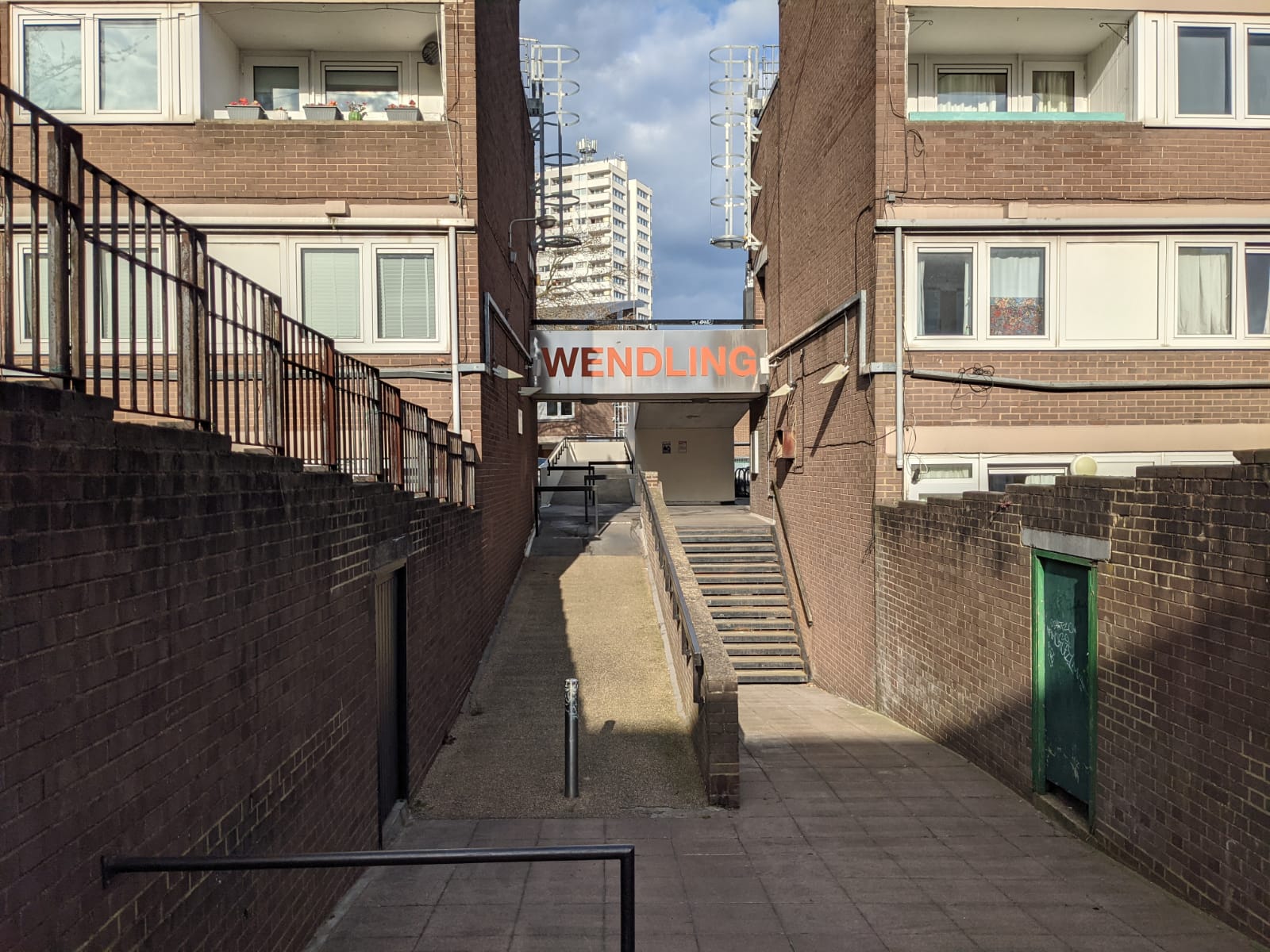
Wendling is set to be demolished as part of the CIP
• THERE is a good deal I agree with in the controversial Community Investment Programme scrutiny panel’s report, (Left and right – and the rest – join in a rare alliance to hammer Camden’s estates strategy, March 21).
It is hard to object to setting clear targets that are regularly reviewed, or reconsidering the objectives of the scheme from time to time.
However the report is undermined by two key failures. First, it fails to acknowledge the political and social environment against which Camden’s decisions must be judged.
Frank Dobson and others laid the foundations for ensuring Camden remains a borough in which all income and age groups can be accommodated, by buying up vast numbers of homes, and building others. This provided us with the council housing that we treasure.
It was undermined by Margaret Thatcher’s Right to Buy, which did not allow Camden to use the revenue this raised to build replacement homes.
It fails to acknowledge that absentee landlordism has also taken its toll, as has Airbnb, which plagues so many areas.
Secondly, it fails to highlight the 60 per cent cuts in funding from government that Camden has endured under the Tories.
There simply hasn’t been the money to do what is needed to provide good, affordable homes for existing tenants – let alone eating into the huge waiting lists. Hence the need to turn to the CIP.
The language of priorities is the religion of socialism, Aneurin Bevan told Labour Party conference in 1949.
This is as true today as it was then. The CIP scrutiny panel’s report acknowledges this when it says: “There is no easy answer. Resolving these issues involves trade-offs between competing objectives.”
The choice the report’s authors make is clear. They argue that: “the focus for the future CIP programme must be on the delivery of new additional social-rented homes, rather than replacement homes, new schools or community facilities”.
This is the heart of the issue. It would see more one- and two-bedroom flats which work for a younger population, without families. The families that remain in Camden would have to put up with sub-standard, aging, and poorly insulated homes.
Families would have to accept over-crowded accommodation in which their children fail to thrive, and schools that are not up to modern standards. The community would be deprived of the new health centres and sports facilities that it so badly needs.
There would be more homes, but at an unacceptable cost. It would relegate families from central London, leaving it as a place the wealthy or the young can enjoy. The report’s authors may wish to see this as Camden’s future, but I do not.
At the same time I accept we will not be able to reduce the waiting lists by as much as we would want. Some younger people and couples would have to find homes elsewhere.
But maintaining the balance between young and old; families and single people; rich and poor is what has made Camden the great place it is. I would prefer to maintain this balance.
MARTIN PLAUT, NW5
