So, would you let a Robocab take you home?
Camden-based company prepares for rollout of driverless taxis
Thursday, 18th June — By Isabel Loubser
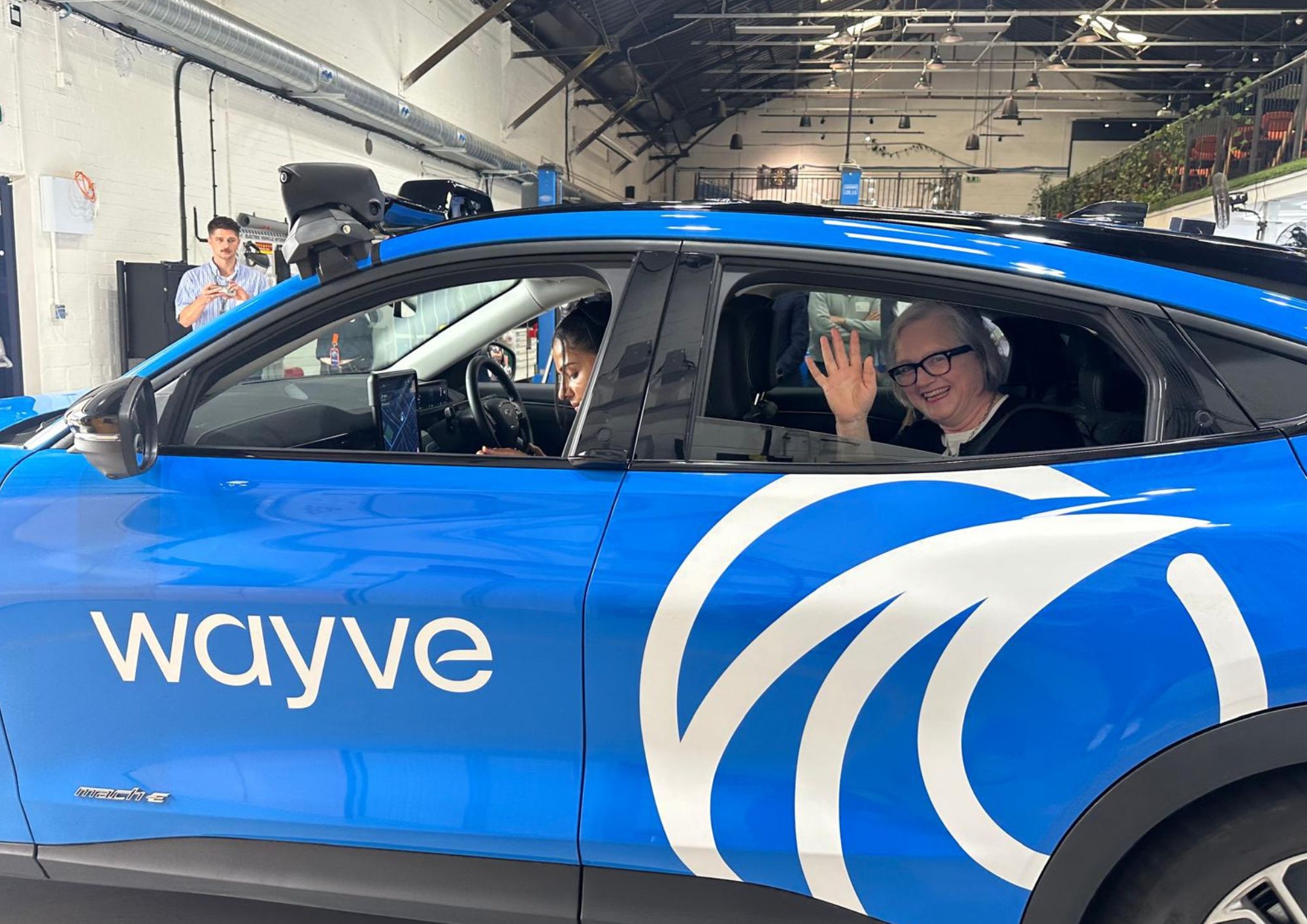
Caroline Russell in a Wayve vehicle in York Way
CITY Hall politicians have launched an investigation into “Robotaxis” as an AI company prepare for a public launch from a warehouse in York Way.
Wayve Technologies has been quietly working on the tech for almost a decade.
Now, the time has come for it to be put to the test on the streets of London. Driverless taxis will be launched in the capital this summer, with riders able to opt in through the Uber app.
But members of the transport committee at the London Assembly said the roll out had to be considered carefully as they hopped in the cars on Monday.
Caroline Russell, who chairs the committee, was among the first passengers to get a test ride. “I don’t think I felt any safer or less safe”, said Ms Russell, comparing the experience to being driven by a human driver. “We were going very very slowly. It might be different if you’re going at 70mph on a motorway. We were driving around on a test drive with a camera, obviously everyone is going to be doing everything as properly as possible.”
She added: “There is potential for the technology. The question though is about the model and whether private hire is the right thing. There are 100,000 private hire drivers in London. What does this mean for their jobs?” Wayve plan to roll out the cars this summer as they partner with Uber. Passengers can pre-register to potentially be picked up by a driverless vehicle when they order a taxi. There will be dozens of the cars on the roads, rather than hundreds or thousands, meaning the chance of riding in one would initially be slim.
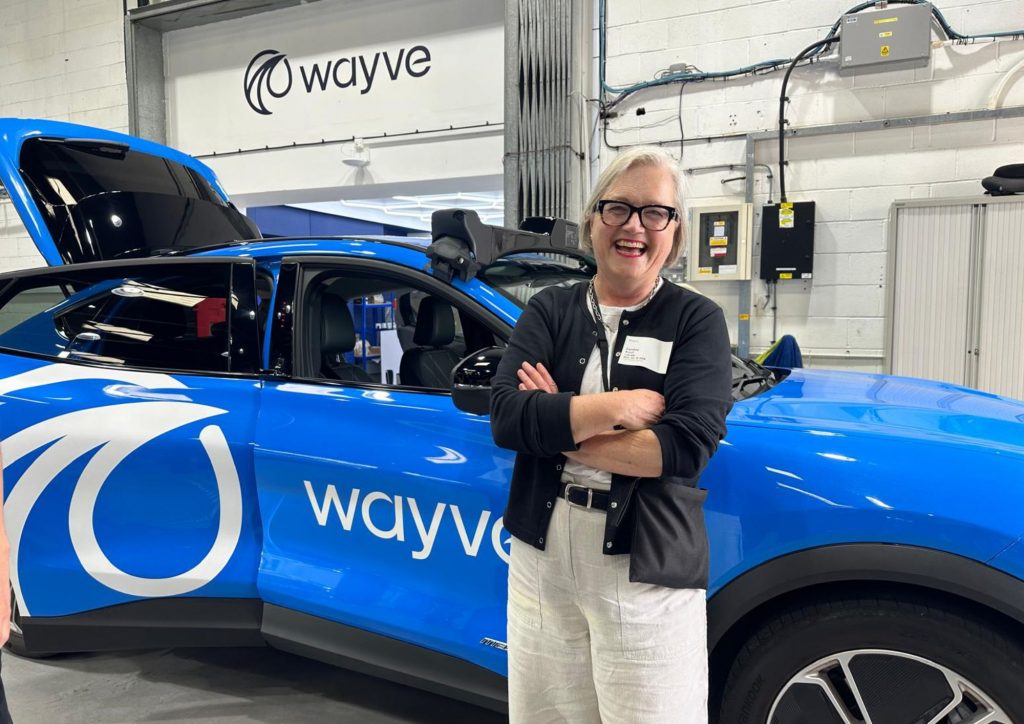
The London Assembly committee has concerns over congestion, however, and say that Transport for London have been “sidelined” in the decision to allow the autonomous vehicles to operate on the streets.
“If you are filling the roads with a lot of extra vehicles and getting a lot of extra congestion, then you’re going to cause trouble for the buses, for pedestrians crossing the road, for people riding bikes”, said Ms Russell.
The current goal set by City Hall is to reduce the number of people killed and seriously injured on the road to zero by 2041. Tech companies say a big appeal of self-driving cars is that they are not subject to human error.
Ms Russell said: “Clearly this technology is what’s coming down the track. We’ve seen cars get safer and more automated over time. This is obviously a big step and there are two different models.” The Wayve model using cameras and AI learns to drive through experience, similar to how humans learn.
Sarah Gates, Vice President of Global Affairs at Wayve, said: “Self-driving will make London’s streets safer, as the vast majority of road accidents today stem from human error. Increasing transport options will also open up mobility for those who can’t drive or lack public transport access, which is still the case in many areas of London.
“As a Camden-based business, we’re proud to employ hundreds of people at our King’s Cross headquarters, and after nearly a decade of testing on London’s streets, we’re looking forward to welcoming members of the public into our vehicles through our upcoming Uber trial.”
