Sir Tristram Hunt explains Engels life in Primrose Hill – as row over museum in his former home continues
'On Sundays, Engels would throw open his house to all. And no one left before 2 or 3 in the morning.'
Thursday, 19th March — By Tom Foot
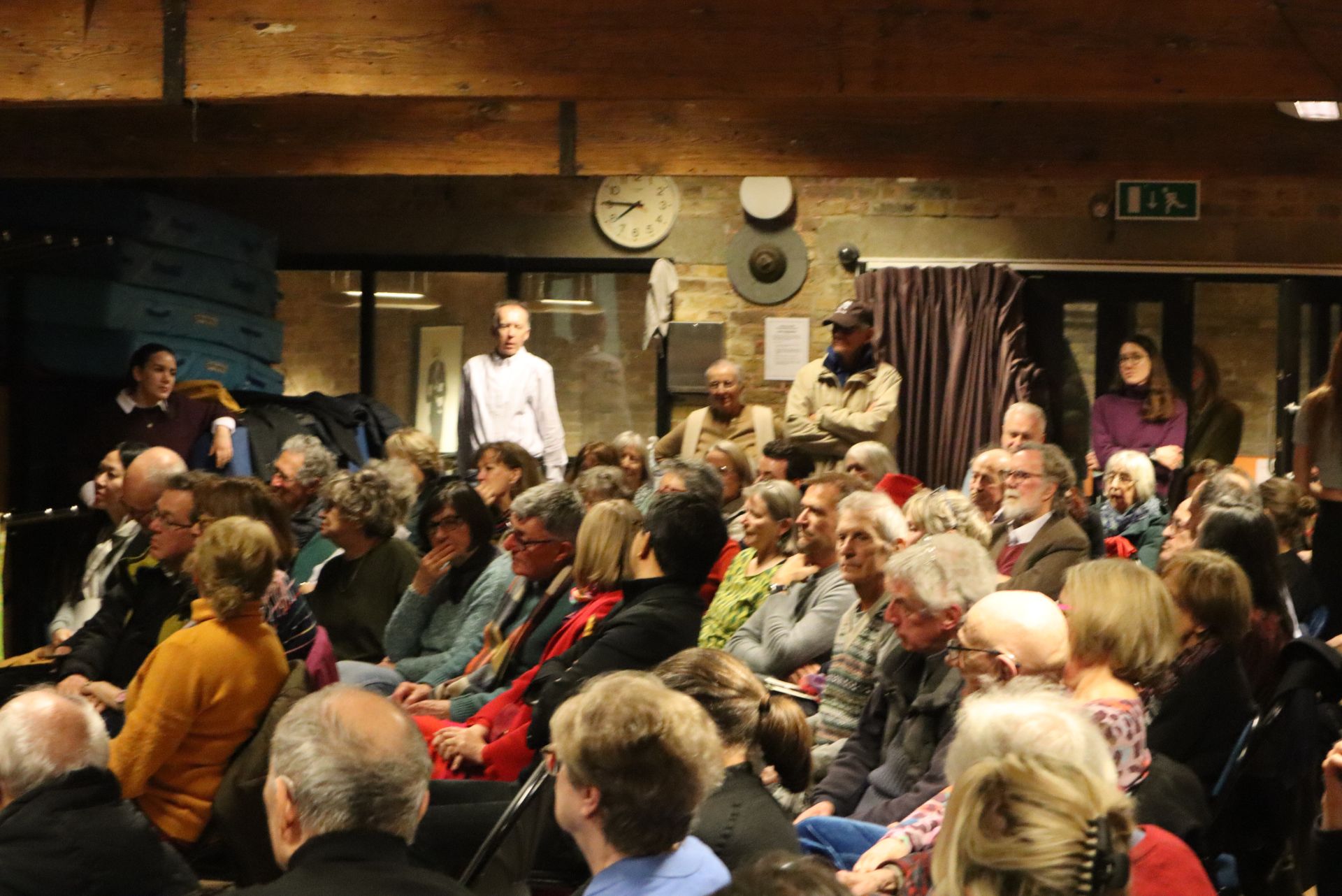
There was standing room only for the event organised by the Primrose Hill Community Association
IT was standing room only as the top boss of the V&A Museum delivered a lecture on the “complex but compelling” legacy of Friedrich Engels in Primrose Hill.
Former Labour shadow education secretary Sir Tristram Hunt told a Primrose Hill Community Association event on Monday night that Engels’ house in 122 Regent’s Park Road had once been the “hub of international socialism”.
He paid tribute to the last owner of the park-facing property, Caroline Read, who bequeathed it to a trust that intends on opening a meeting space for political debates there.
Sir Tristram said: “I am delighted to hear that Engels’ house has been placed into trust and that plans are now afoot to celebrate Engels’ complex but compelling legacy.
“I remember, and this is a tale of north London life, [former Labour leader] Ed Miliband informing me of this as we passed each other at the Hampstead ponds about eight years ago.”
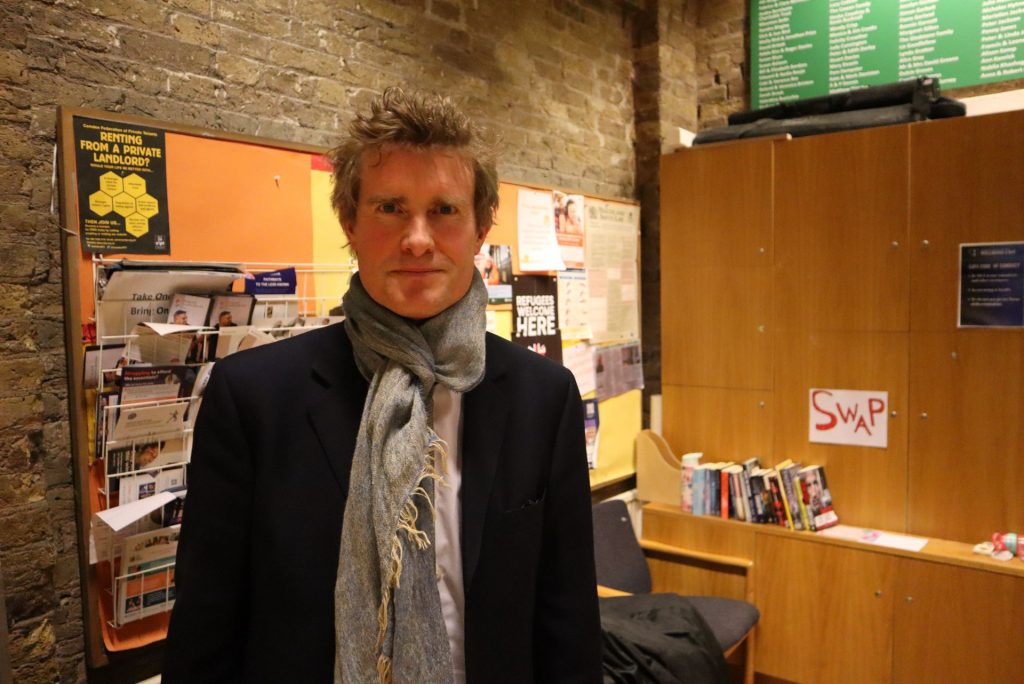
Former Labour MP Sir Tristram Hunt in Primrose Hill
Mr Miliband’s mother was a close friend of Ms Read, but he is not directly involved in the current project.
Described as a “renowned author and historian”, Sir Tristram’s The Frock-Coated Communist was published in 2009.
He said: “I want to pay tribute to generosity of Caroline who helped enormously when I was writing the biography.”
At the meeting he spoke about Engels’ decision to move to Primrose Hill so that he could be “not quite 10 minutes away” from his philosophical soulmate Karl Marx, who was living in Maitland Park Road at the time.
Sir Tristram said Engels was among the first of a generation that “gentrified” Primrose Hill.
“Engels was a man of strict routine, but the highlight of the day was going to see Marx just around the corner.
“Engels’ house was indeed the hub of international socialism in London the 1870s and 1880s. Marx and Engels had established the International Working Men’s Association. All the literature and works came through that study there. He masterminded it all there.”
He spoke about “extraordinary legacies” of his Primrose Hill writings, including pioneering arguments about female empowerment in work and education, written by Engels during more than 25 years living there.
Sir Tristram said that it had felt more natural to Engels to rent rather than own the property, despite living there for so long and having an “extensive stocks and shares portfolio”.
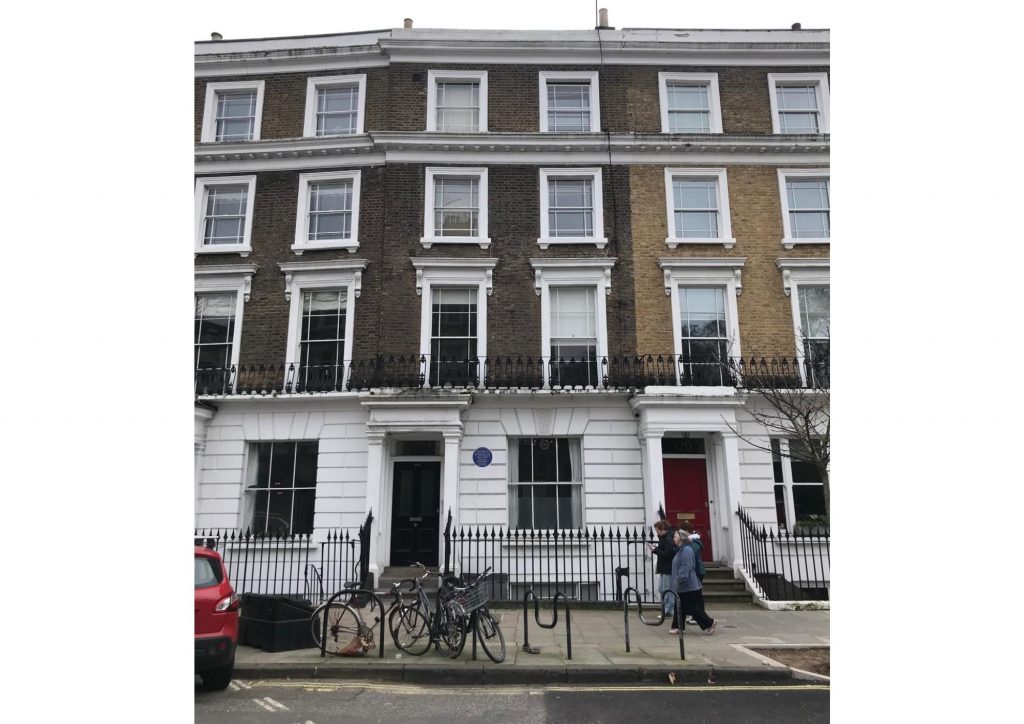
The property in Primrose Hill where Engels, the co-author of The Communist Manifesto, lived
Much “whisky and Bordeaux” and fine food was consumed in the house and Sir Tristram spoke about the two comrades’ often “filthy” sense of humour.
“On Sundays, Engels would throw open his house to all. And no one left before 2 or 3 in the morning.”
Jokingly, he added: “I think, by the way, that is the model for the upcoming trust.”
There was a nervous laugh from the PHCA audience, many who had come to the event wanting answers about the Engels House project.
Meg Ryan, Ms Read’s close friend who is leading the Engels House project, in a presentation before the Sir Tristram’s speech, spoke about the “kindness” of Ms Read who worked as a librarian extraordinaire.
“She was very shy, but underneath she was built of steel. She never wanted to be the centre of attention. She hated domesticity and said she was very happy to live in a place where she could eat out every night.
“She was very proud of living in Engels’ house. Caroline said she would love it if small discussions could take place in the house. She wanted to highlight that Engels received people in the house and wanted to make the world a better place. All our activities will be small, and will be by appointment only, mirroring what Engels did there himself.”
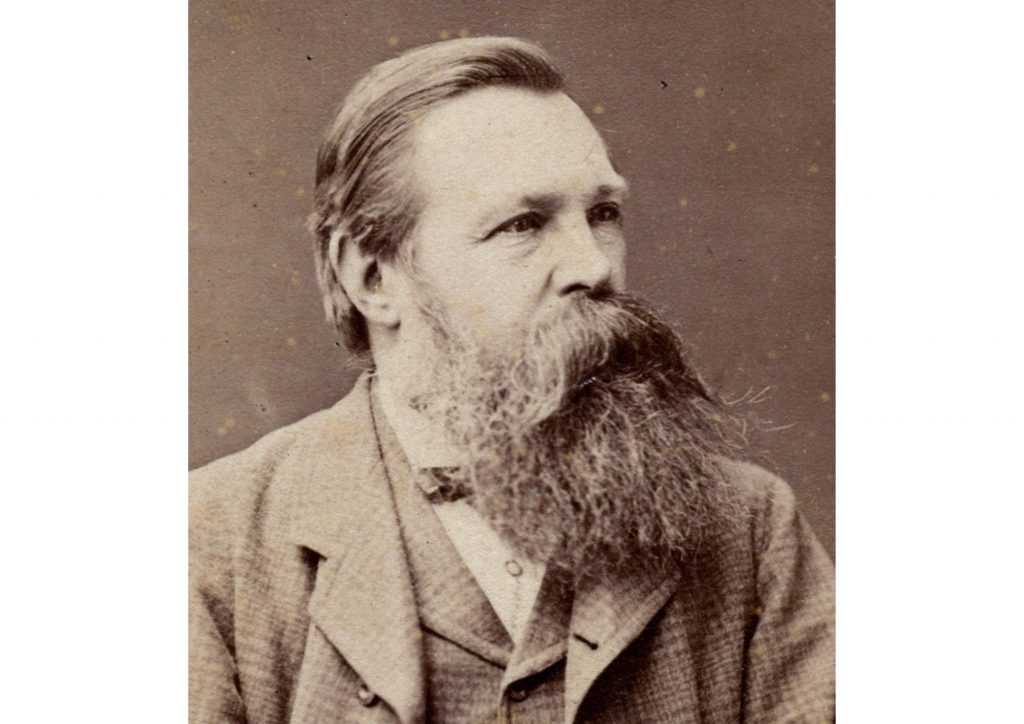
Friedrich Engels
The meeting had heard that an official community consultation about the Engels House project – which is currently opposed by three neighbours of the building – would come further in a few months’ time.
Pam White, a member of the Primrose Hill Conservation Area Advisory Committee, asked Sir Tristram: “How do you think Engels would, as a socialist, have viewed the loss of two possibly three housing units to set up a museum without any Engels artefacts?”
Sir Tristram had responded: “Oh, I have been out of politics for eight years but I can still tell when I am trying to be drawn into a meeting – I won’t be drawn.”
He concluded: “Marx and Engels were described as many things: revolutionaries, atheists, insurrectionists, terrorists – they always described themselves as scientific socialists.
“To my mind, with their love of a good walk across the Heath, enjoyment of dinner parties, sing-songs, range of continental friends and cosmopolitan sensibilities, it shows that at their heart they were true north London socialists.
“And all the better for that.”
