Royal Free memorial garden to be dug up for new research lab
Thursday, 20th November 2014
FAMILIES have been told that a memorial park for their dead relatives is to be bulldozed to make way for a seven-storey medical research laboratory and hotel.
The Heath Strange Garden has been earmarked for demolition as part of a £42million plan to build the Institute of Immunity and Transplantation on land next to the Royal Free Hospital, in Hampstead.
Shushma Jain’s brother Arvind, who died aged 13 in 2009, has a memorial bench in the garden. She said she would rather reclaim the memorial than see it moved to the “middle of nowhere” and to a place that had “no meaning for us”.
She added: “It will be sad that we can’t see it when we pop into the Royal Free or on special dates like Arvind’s birthday or anniversary or just when we are missing him.”
Official plans for the imposing seven-storey glass building – which will host 200 scientists and clinical staff – were submitted to Camden planners last week.
The documents include rough designs for a small “informal memorial garden” as part of the development but the hospital is considering moving the memorials to Queen Mary House, near White Stone Pond, in the meantime. Ms Jain added: “I have been told today by text that they are considering moving it [the memorial] to Queen Mary House. The Royal Free is our local hospital. My daughter, who has cystic fibrosis, goes there and when we visit I like to sit in the garden and think of Arvind. People who knew Arvind do the same. It’s easy to get there. I do not want it moved to the middle of nowhere. I told them we will take our bench back.”
Arvind died after a communication breakdown between hospital experts at Great Ormond Street and the Royal Free delayed his operation.
Queen Mary House, owned by the Royal Free, once housed recovering stroke patients.
The garden is named after the founder of the former Hampstead General Hospital, Dr William Heath Strange, who lived in Belsize Avenue, Hampstead.
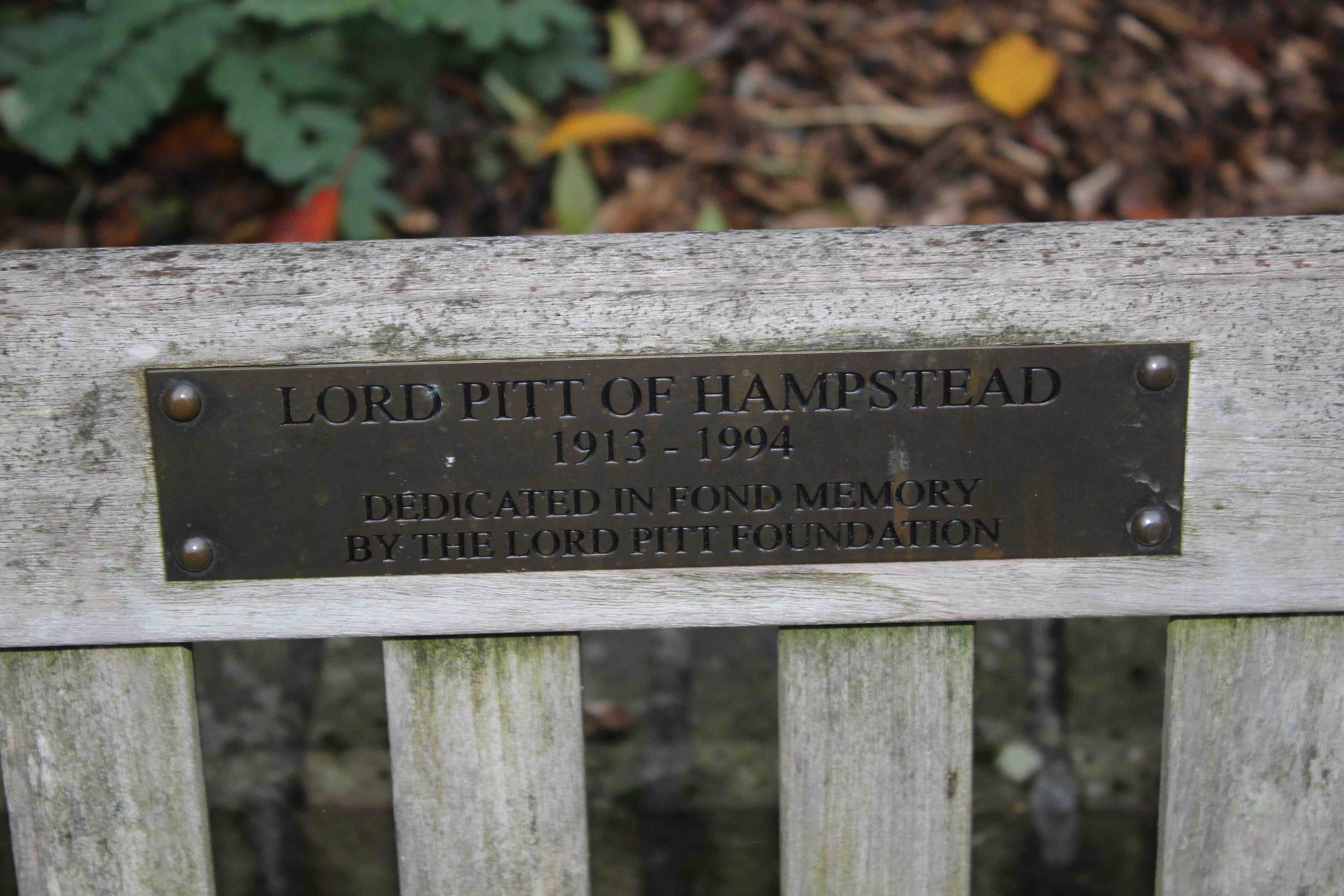
The Strange Garden has a founding stone for the hospital, laid in October 1902. Among the memorials is one for Lord David Pitt, the first person of African descent to be a parliamentary candidate. He became British Medical Association president in 1986.
The Royal Free’s plans submitted to the Town Hall say that the garden is “not prominent to members of the public and could be improved as a space”.
The research centre is to be named the Pears Building after the family of property developers who live in Hampstead. They made a £5million donation to the project,
The planning documents say that siting a radiotherapy “bunker” beneath the garden and underground car park means the huge new block has to be built as close to St Stephen’s Church as possible. A patient “hotel” on the top of the building will be almost as high as St Stephen’s spire.
Resident Peter Davey, who lives in Pond Street, said: “The Heath Strange Garden provides a much-needed space for quiet contemplation. While the new institute will offer huge public benefits, the loss of the Heath Strange Garden and the adverse impact on St Stephen’s, Hampstead Hill School and Hampstead Green are too high a price to pay.”
The vicar of St Stephen’s Church has spoken out against the scale of the development.
A Royal Free spokesman said: “When the Heath Strange memorial garden closes in early 2015 we will temporarily move all the benches to Queen Mary House. If we gain planning permission for the new Pears building there will be a conemplation garden built between the new building and the hospital, containing the memorial benches, once the works are complete.”
