Prime Minister calls it a day, but the watching and waiting has begun to see if there will be two vacancies
Aides say Sir Keir Starmer has no intention to stand down as an MP
Thursday, 25th June — By Richard Osley
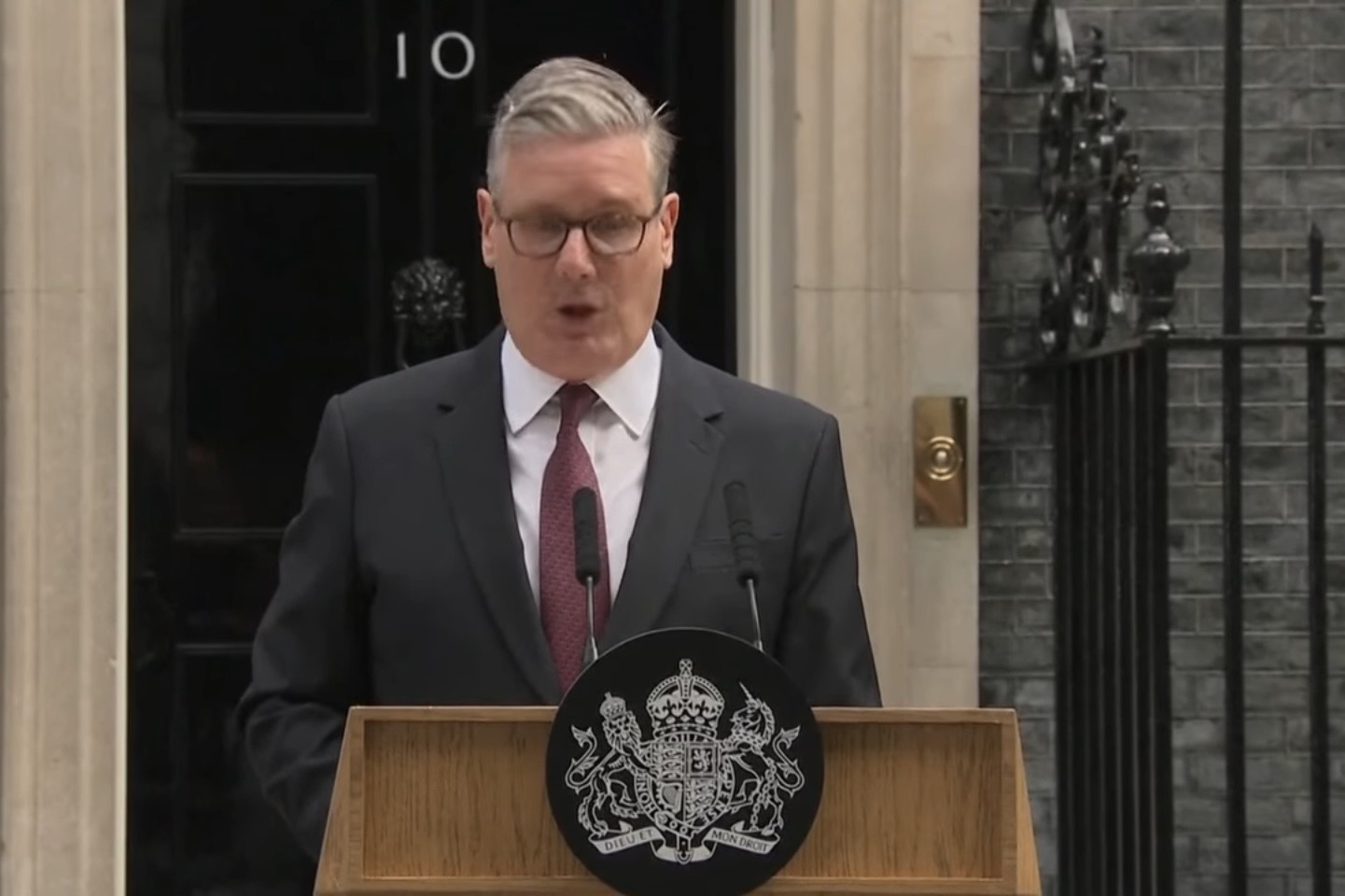
Sir Keir Starmer’s resignation speech in Downing Street
IT ended with his voice cracking with emotion, a pledge to his children and a hug from his wife.
Then Sir Keir Starmer disappeared back through the doors of No. 10.
He had just announced on Monday morning that his time in Downing Street was now limited, after a speech in which the Holborn and St Pancras MP resigned as leader of the Labour Party.
In doing so, he cleared the way for a successor to be installed, either by contest or coronation.
All eyes are now on Andy Burnham, the man Mr Starmer had once supported in a past leadership contest.
Friendships are not forever in the dog-eat-dog world of UK politics.
There is a flavour of this in the way one of the first questions being asked back in Camden was whether he will now leave the political scene completely after a bruising couple of years as the prime minister.
The vacancy for Labour selection in Holborn and St Pancras – one of the most prized patches in the country if you have a red rosette – has only come up once in the last 48 years.
Yesterday (Wednesday), his political aides were insisting that he had no intention of triggering a by-election here, but nothing was being ruled out beyond the next general election.
Past prime ministers have held differing views about the experience of returning to the backbenches having held the highest office in the land.
It has been suggested that he might one day return to the fold as a future foreign secretary, given he always seemed more comfortable meeting international leaders.
If he did decide to withdraw, however, there would be an instant queue of Labour figures interested in standing in his constituency, including current and former councillors, as well as faces from further afield.
Mr Starmer was welcomed onto the campaign trail during May’s council elections and has had a supportive relationship with the organisers of the constituency Labour Party in Camden.
Many were in Downing Street, applauding and waving flags, on the day he became Prime Minister two years ago.
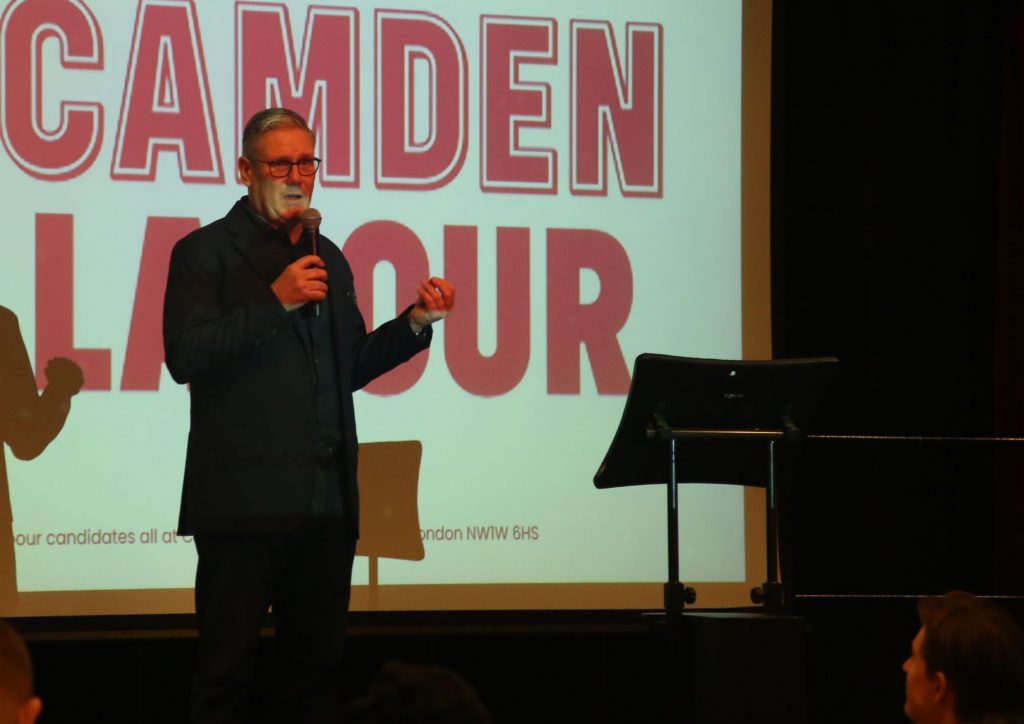
Sir Keir Starmer launching Labour’s council election campaign in Camden
Some local figures have been hired as constituency office workers or as special advisers, and former Camden councillor Tommy Gale was among the aides who were clapping him at Monday’s more painful speech.
Despite this warm relationship, however, it is understood there have been recent worries among local campaigners about Mr Starmer’s ability to turn around poor personal poll ratings and concern for the man himself, who is regularly told how hated he is beyond north London and who had a front-row seat to Mr Burnham’s growing move against him.
There was a shudder among some when Mr Starmer insisted he would stand in a leadership contest if the Makerfield by-election winner were to challenge him, with the prospect of a destructive internal battle for control too much for even some of his long-term supporters to countenance.
The toughest critics said it was another example of him changing his position when he said the opposite on Monday.
“I know the question being asked now is not who was best placed to change the Labour Party, to take us into power, and to begin the vital work of improving lives for millions of people,” he said.
“Those questions have been answered. The question my party is asking now is whether I am best placed to lead us into the next general election. I have heard the answer of my parliamentary party to that question. And I accept that answer with good grace.”
His party’s opponents in Camden were short on sympathy.
“Labour has failed to deliver the change it promised,” said Camden Liberal Democrat leader Councillor Tom Simon.
“As prime minister, Keir Starmer must take responsibility for that. Locally, residents care about the cost of living, NHS appointments, housing and crime. They want politicians to be focused on solving those problems, not fighting each other for the top job.
“There is now a legitimate question about whether he intends to remain as the MP for Holborn and St Pancras and continue serving the constituents that elected him.”
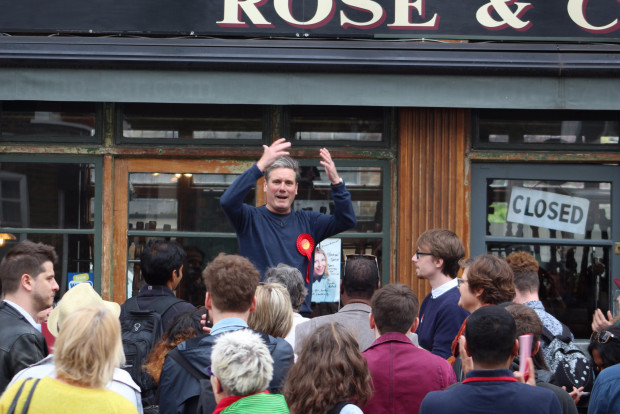
Sir Keir Starmer during his early days as a Labour candidate in Camden
Councillor Lorna Jane Russell, leading the Greens, added: “Keir’s resignation was sadly long overdue. He was elected on a promise of change but for many people the cost of living crisis has worsened. His failure to stand up against the genocide in Gaza, alongside support for draconian measures on immigration and against peaceful protest, leaves a deeply disappointing legacy.”
Councillor Steve Adams, leader of the Tories, said: “Starmer fell because in large part, the parliamentary Labour Party is ungovernable as Burnham will find out. His recent damascene conversion to welfare savings will be the first hurdle fall.”
Mr Starmer’s version of the Labour Party has faced the threat of being outflanked on both sides, with the growth of the Green Party under Zack Polanski and Nigel Farage’s Reform aiming to take power when the country next goes to the polls.
He was accused of deflating the excitement that came with the arrival of a new government in July 2024 by immediately insisting tough times were ahead. Others saw this as “grown up” honesty.
With Chancellor Rachel Reeves, he removed the winter fuel allowance for pensioners, cut back on support for people with disabilities and refused to lift the two-child benefit cap at the first opportunity — regularly cited as the single most powerful measure for tackling child poverty.
The latter was eventually removed, but not before the government had been accused of failing to soothe the cost-of-living crisis for those struggling to get by.
There will be further inquests over how the issues of foreign wars, Gaza, immigration and even personal choices over expenses and freebies were handled when the drafts of history are written and rewritten about why the forensic lawyer who was supposed to end the merry-go-round at Westminster has lasted only two years in the job.
His choice of advisers will probably require a chapter from the biographers too.
A key blunder of his own making had been hiring Peter to become the UK’s ambassador to the United States, when this notorious peer had already been fired from past governments twice and had a well-reported friendship with a paedophile financier.
He didn’t even seem to like Mr Mandelson, unlike other senior Labour figures.
A more recent hammer blow was the resignation of John Healey, the Defence Secretary, who stepped down last month insisting the budget was not big enough for the UK to defend itself.
Nevertheless, Mr Starmer insisted in his speech that he was leaving the country in a better state than he found it, telling the assembled reporters that people’s “wages rose faster than inflation in every single month since we came to power.”
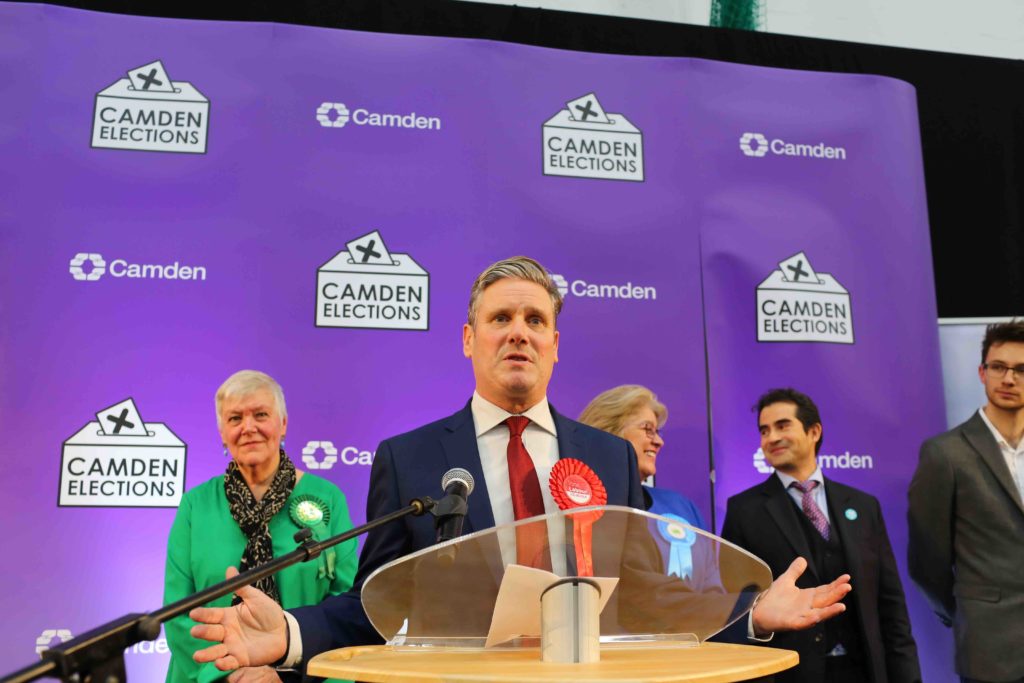
Sir Keir Starmer winning the Holborn and St Pancras constituency in 2019
His list went on: “Investment secured, infrastructure being built. An end to austerity, with the fastest fall in NHS waiting lists for 17 years. The biggest improvement in rights for workers and renters in a generation. The biggest uplift in defence spending since the Cold War.
“Small boat crossings falling, asylum hotels closing, protecting young people from social media, and half a million children being lifted out of poverty because of the choices that I made.”
