Plaque plan for La Giaconda, the Tin Pan Alley café loved by Bowie, Bolan and The Kinks
Thursday, 21st November 2013
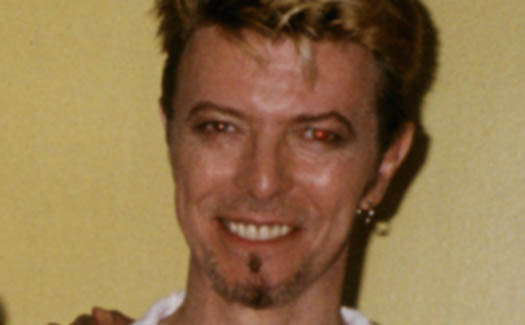
David Bowie
Published: 21 November, 2013
by RICHARD OSLEY
IT was the café thought of as a “rock ’n’ roll job centre”, a famous 1960s and 1970s hangout where, according to musical folklore, David Bowie met the musicians that formed his first band.
Marc Bolan popped in, The Kinks were fans and The Clash came for breakfast too.
Now, the owners of what was La Giaconda café in Denmark Street, St Giles, want its place on London’s musical map to be recognised with a plaque.
To do so, however, they need to win planning consent from Camden Council.
An application in the name of Paul Merrony, who brought the building back to life last year by opening the new La Giaconda Dining Rooms, was filed at the Town Hall on Tuesday.
“Hundreds of artists, including The Rolling Stones, David Bowie, Donovan and The Kinks, began their careers in this street, hanging out at the Giaconda café,” the documents state.
“The owner of the property on which we are applying to fix this plaque is delighted with the idea and feels that it would add to the community spirit of the small street, which still reflects the industry in its musical instrument shops, as does the Giaconda itself.”
Denmark Street is more familiarly known by its musical nickname “Tin Pan Alley”, which dates back to the 1920s.
Several biographies of Bowie reference his fondness for the Giaconda, with the legend being that he met members of his first band, Lower Third, there.
It is claimed the Small Faces decided to “go pro” over lunch at the café.
Suggs, the Madness frontman, in his book on London’s past, wrote: “The café remained the place to tune in, turn on and drop crockery throughout the hippy era.”
He joked: “Just what the rockers of yesteryear would make of their old greasy spoon being rein- vented as a classy joint serving up such gastro delights as pumpkin risotto, God only knows.”
The papers being mulled over by Town Hall officials add: “The music industry feels that this is a very worthy plaque for a street that contributed an enormous amount to the UK’s economy, creativity and history.”
The plaque would say: “From the 1920s Denmark Street was known throughout the world as Tin Pan Alley, the home of Britain’s publishers and songwriters. The Giaconda was their meet- ing place.” Planning chiefs are expected to make up their minds by December 15.
