Look what the cat breathed in! Concern home vaping is causing pet wheezes
Vets suggest owners take smoke outside
Friday, 9th January — By Tom Foot
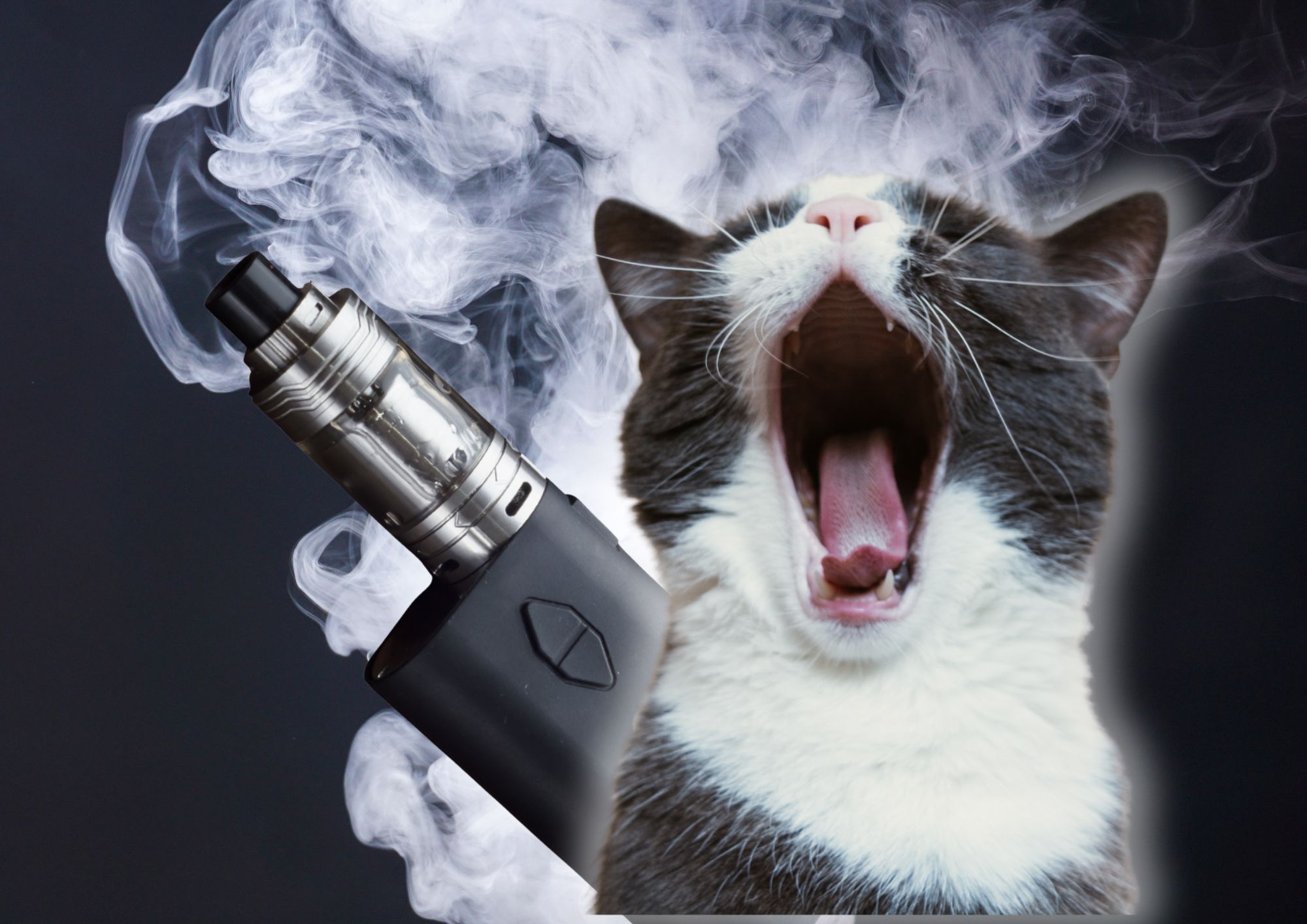
Smoke from vapes can be harmful to animals
VETS are urging vape smoking pet owners to stop using devices in the home after a reported rise in respiratory illness among our four-legged friends.
The experts say vape smoke is particularly toxic for animals increases the risk of serious health problems like asthma in cats and bronchitis in dogs.
With vapes more likely to be used indoors than cigarettes, particularly in the cold weather, more and more animals are being exposed to damaging chemicals from the e-cigarettes.
Vomiting, drooling, skin conditions, allergies, eye decay, heart disease, breathing problems – notably wheezing – and cancer in pets have been linked to second vape smoke.
Cats grooming themselves to stay clean may unknowingly be slurping-in harmful chemicals off their fur.
Dr Katharine Nelson, director of general practice at the Royal Veterinary College’s Beaumont Sainsbury Animal Hospital in Camden Town, told the New Journal: “Our vets commonly see pets with breathing difficulties.
“Conditions such as asthma in cats and bronchitis in dogs are often triggered or worsened by irritants in the air. Pet birds are especially sensitive to poor air quality.
“The vets at the Beaumont Sainsbury Animal Hospital recommend keeping pets away from possible airway irritants such as cigarette smoke, cooking fumes and e-cigarette (vape) vapours – this is particularly important in the colder months when ventilation is reduced and windows are more likely to be closed.”
She added: “Cats are particularly vulnerable to ingesting vape liquid droplets when they groom themselves, as vape droplets will accumulate on their fur.
“The best way to keep pets safe is to smoke or vape outside the home. Keep pets out of rooms used for vaping. Ventilate homes well after these activities. Vapes and their accessories should be stored well away from inquisitive pets.”
A recent study published in the Journal of Small Animal Practice looked at than 300 cases of dogs exposed to e-liquids and vape devices between 2011 and 2024, finding that while many pets developed mild symptoms, some suffered severe poisoning.
Ingestion of e-liquids, which can be left lying around homes unattended or through spillages during refills, can also be fatal.
A vet in Camden, who did not want to be named because they work for a larger group, told the New Journal that an unusual number of cats with respiratory problems in recent months.
The PDSA (People’s Dispensary for Sick Animals) vet Catherine Burke said: “When it comes to vaping, the long-term effects on pets aren’t yet fully understood.
“It’s important to remember that many e-liquids contain nicotine, which is highly toxic to animals, and vapour can include chemicals that may irritate a pet’s delicate airways, particularly in cats, who can be prone to asthma-like conditions.
“Pets spend lots of time close to the floor and groom themselves, so particles in the air can settle on their fur and then can be swallowed when they groom themselves.
“If you notice coughing, wheezing or changes in your pet’s breathing, we’d recommend contacting your vet.”
The British Veterinary Association said it had not seen any evidence of this as a national trend.
