I am stunned and horrified by the Lawrence Bond inquest
Thursday, 29th June 2017
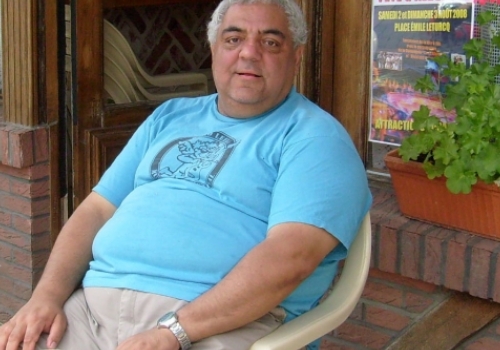
Lawrence Bond
• I WISH I could share your surprise at the coroner’s court failure to conduct any kind of investigation into the death of Lawrence Bond (10-minute inquest into death of Kentish Town’s ‘Daniel Blake’, June 22) but I attended Lawrence’s inquest and, although I was appalled by it, I do not see how assistant coroner, Dr Richard Brittain, could have done anything else.
A coroner is an officer of the law, usually a doctor or lawyer, with extensive investigative powers and often a team of investigators.
Where circumstances surrounding or preceding a death might have contributed to it and could have been avoided, a coroner has an obligation to issue a Prevention of Future Deaths Report (also known as a Regulation 28 Report) as Dr Brittain has several times previously.
In Lawrence Bond’s case Dr Brittain had boxed himself in. He opened the inquest describing Lawrence Bond as “electrical engineer, retired”. That was untrue. Once he made that statement, the story became; “sick man with long-term illness dies at bus stop”.
Unless he wanted to describe the bus stop as contributing to his death, anything else would have exposed the fact that he was wrong. Lawrence Bond, 56, was not retired. Even without extensive investigative powers, a coroner could be expected to know he could not have retired until age 66 or 67.
So where did that come from? Not the press! Your paper and others had repeatedly told Lawrence’s true story. From the Department for Work and Pensions? If so, the coroner failed in his duty to question the disparity between Lawrence’s age and official retirement age.
If the information came from the coroner’s investigative team, once again he failed. If it came from the coroner himself, then it was deliberate rather than unintended.
Having described Lawrence as retired, how could the coroner explain that minutes before his bus stop death, Lawrence had left Kentish Town Jobcentre? How could he have called on DPI staff to give evidence if Lawrence could have had no business at the jobcentre, not somewhere retirees normally hang out.
Nor could he address the pressure on Lawrence to sign on at the jobcentre after being declared “fit to work” by the American company Maximus.
He could not criticise Lawrence’s being forced to attend the jobcentre to demonstrate he was trying to find work (for which he was clearly far too sick) or that his benefits had been stopped, since he had already described him as having finished his working life.
Dr Brittain ran through a vast amount of medical evidence about Lawrence (plus information about the ambulance team and the police called out) although even with excellent hearing, it was almost impossible to hear him read it. Indeed, he gave the impression he did not want to be heard.
When asked to speak up, he continued at the same near inaudible level. But there was no information about his true status.
Maybe the coroner, paid out of public funds, knowing how much importance the government, his employer, attaches to saving money, did not wish to appear implicitly critical of government policy; or had he received instructions? But in previous deaths of fit-to-work claimants, coroner colleagues have been explicitly critical and have issued Prevention of Future Deaths Reports.
Will we ever know what prompted Dr Brittain’s stance, forcing him to omit crucial information? I am still stunned and horrified at this travesty of a public inquest, the first I had attended. I thought I had no expectations. Now I realise I had expected the coroner to tell the truth. In future if I attend an inquest I can no longer have such an expectation.
BERNARD MILLER
Address supplied
