Dr Mayer Hillman, trailblazer who warned of climate change ahead of his time
By the late 1960s he was convinced of the damage cars – and fossil fuels – were having on the planet and moved from architecture to the environment and social policy as a specialism.
Wednesday, 4th November — By Dan Carrier
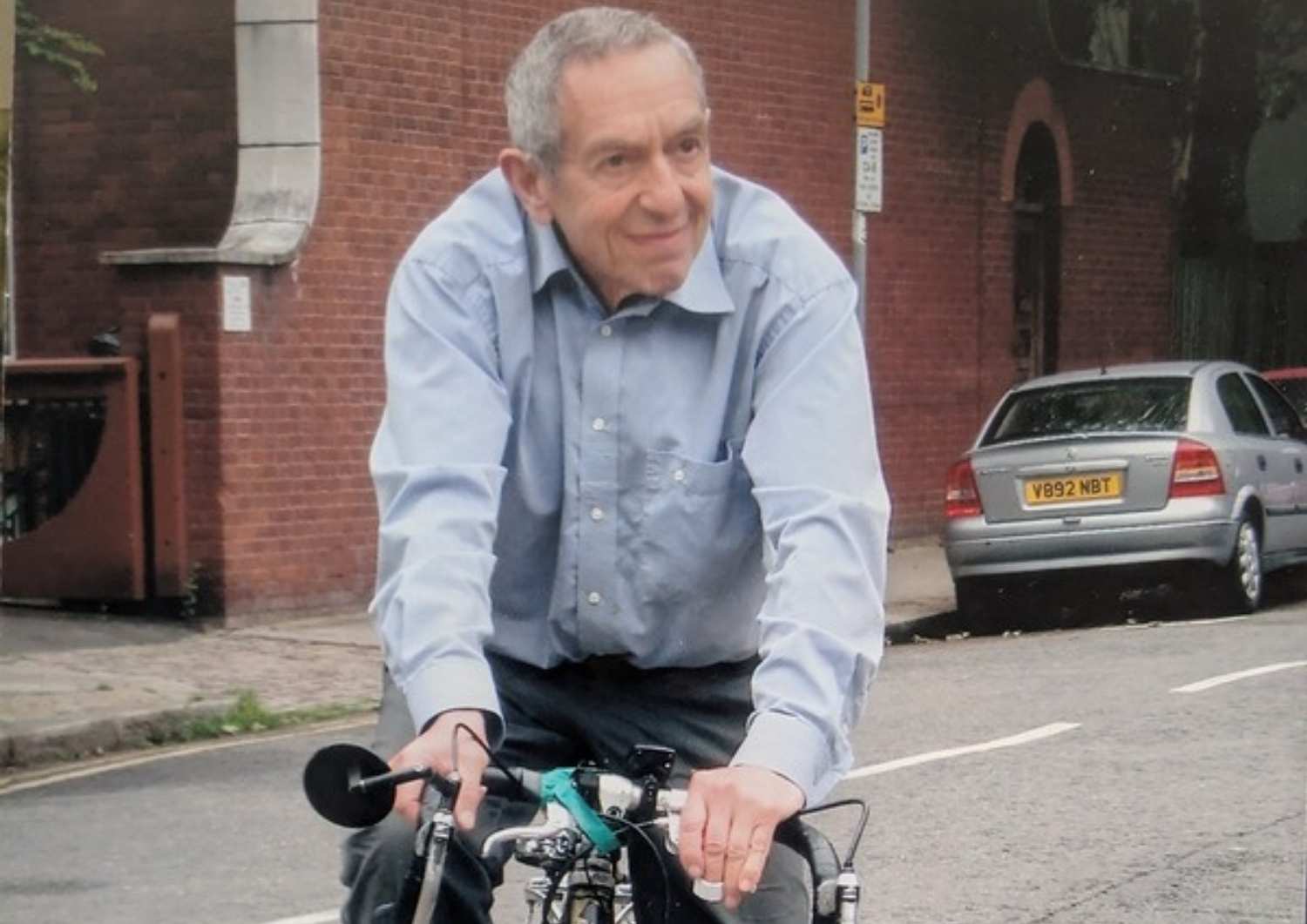
Dr Mayer Hillman lived in Hampstead
DR Mayer Hillman could take a complicated topic of global importance, study the facts and come up with solutions. Dr Hillman, who has died aged 94, was warning of the impacts of the climate crisis in the 1960s.
He was a trailblazer, sage-like in his wisdom: his work looking at the environment and human impact was groundbreaking. And as well as studying problems caused by fossil fuels long before it was a mainstream issue, Dr Hillman came up with solutions that were seen as radical at the time but are part of the everyday today.
In the 1990s, he said our grandchildren would ask what his generation did to avert the climate breakdown.
He had a realist view of the issues and what might be done to tackle them: he told the New Journal 25 years ago that he believed the people in the global north would only begin to sit up and take notice when they were struggling to insure their homes because of flooding, and when millions of people living in countries devastated by climate change would be displaced. His warnings were dire and true.
In 2004, his book How We Can Save The Planet outlined what is taken as common knowledge today. He felt the onus on the individual to recycle and use public transport was at the expense of going after the real culprits in big polluting businesses and the military-industrial complex.
Dr Hillman practised what he preached: he refused to fly and cycled everywhere. Climate change and sustainability were what he was passionate about.
In the 1980s, he suggested introducing energy audits for houses, which would be introduced in 2007 as Energy Performance Certificates, and championed redesigning roads to make them safer. He also campaigned for 20 MPH speed limits, more than 40 years before they became standard in areas like Camden.
The impact of cars on cities was another area he researched – as early as the late 1950s he was warning of the damage a car-led economy and society would have.
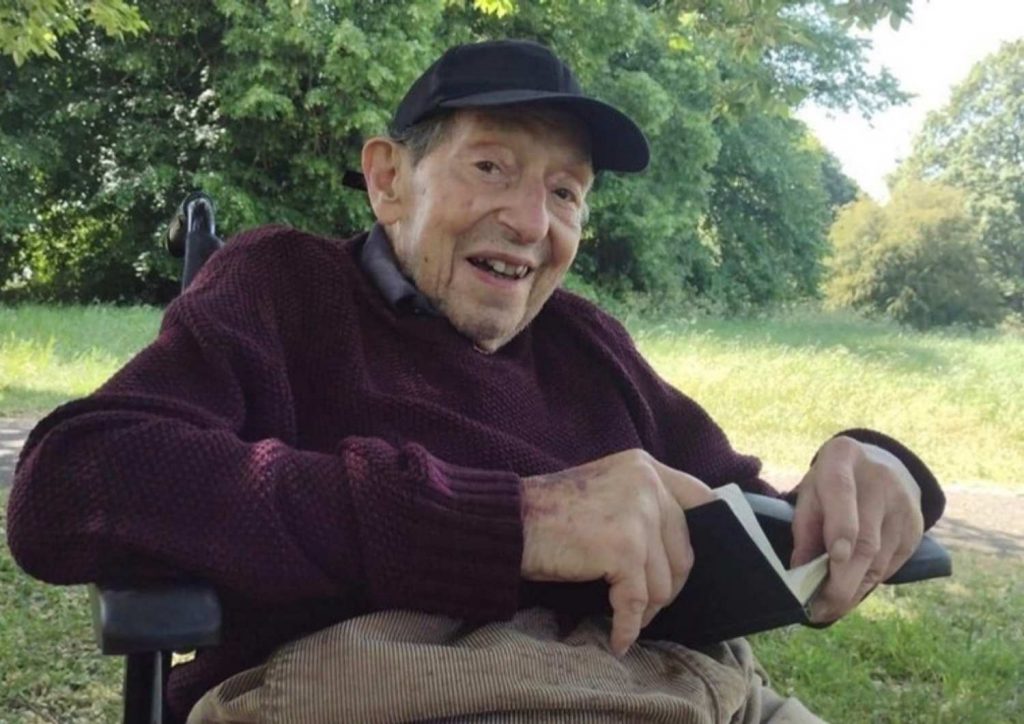
Dr Mayer Hillman
Dr Hillman was one of three brothers born in West Hampstead, the son of artist David and Annie, a GP. He studied architecture at the Bartlett School in Bloomsbury, and then joined a practice in Perrins Court, Hampstead.
In 1956, a precursor to the work he would then spend the rest of his life studying, he drew up designs for the first pedestrian-led town in the UK.
Dr Hillman met Heidi Krott in 1960. At the time, he had been commissioned to design two homes in Ornan Road, Belsize Park. The clients liked him and knew Heidi, so arranged a blind date over a meal at their house. They would marry in 1964 and have two sons, Josh and Saul.
Apart from a brief hiatus when researching for a doctorate in Edinburgh, he spent nearly 90 years living in NW3.
By the late 1960s Dr Hillman was convinced of the damage cars – and fossil fuels – were having on the planet and moved from architecture to the environment and social policy as a specialism.
After returning from Scotland, the couple lived for a time in a flat in Primrose Hill from 1970 and then moved to Netherhall Gardens, Hampstead. Their home was a former coach house that Dr Hillman redesigned.
Dr Hillman’s ability to look at a problem from a different angle saw him become an avid campaigner to scrap the idea of putting the clocks back and forward – instead he made a strong, evidence-based case to keep the clocks at British Summer Time all year round.
He collated data to show the positive impacts of double summer time, showing how the extra hour of sunlight in the evenings would help with leisure and reduce accidents.
He cycled everywhere up to his late 80s and completed the London to Brighton cycle ride 15 times.
Working at the Policy Studies Institute, he penned reports such as the 1979 work Walking Is Transport, and One False Move in 1990, which looked at the dramatic changes in how children travelled to school.
He relaxed by listening to classical, folk and jazz, and attending concerts and art galleries.
As a child, while evacuated to Hertfordshire, he and his brothers were offered a bloodied rabbit to take home for the pot. He was so repulsed, he turned to vegetarianism for the rest of his life.
