Disabled people are told AI bots can replace support workers
Campaigner says government is 'sabotaging' access to work scheme
Thursday, 4th June — By Tom Foot
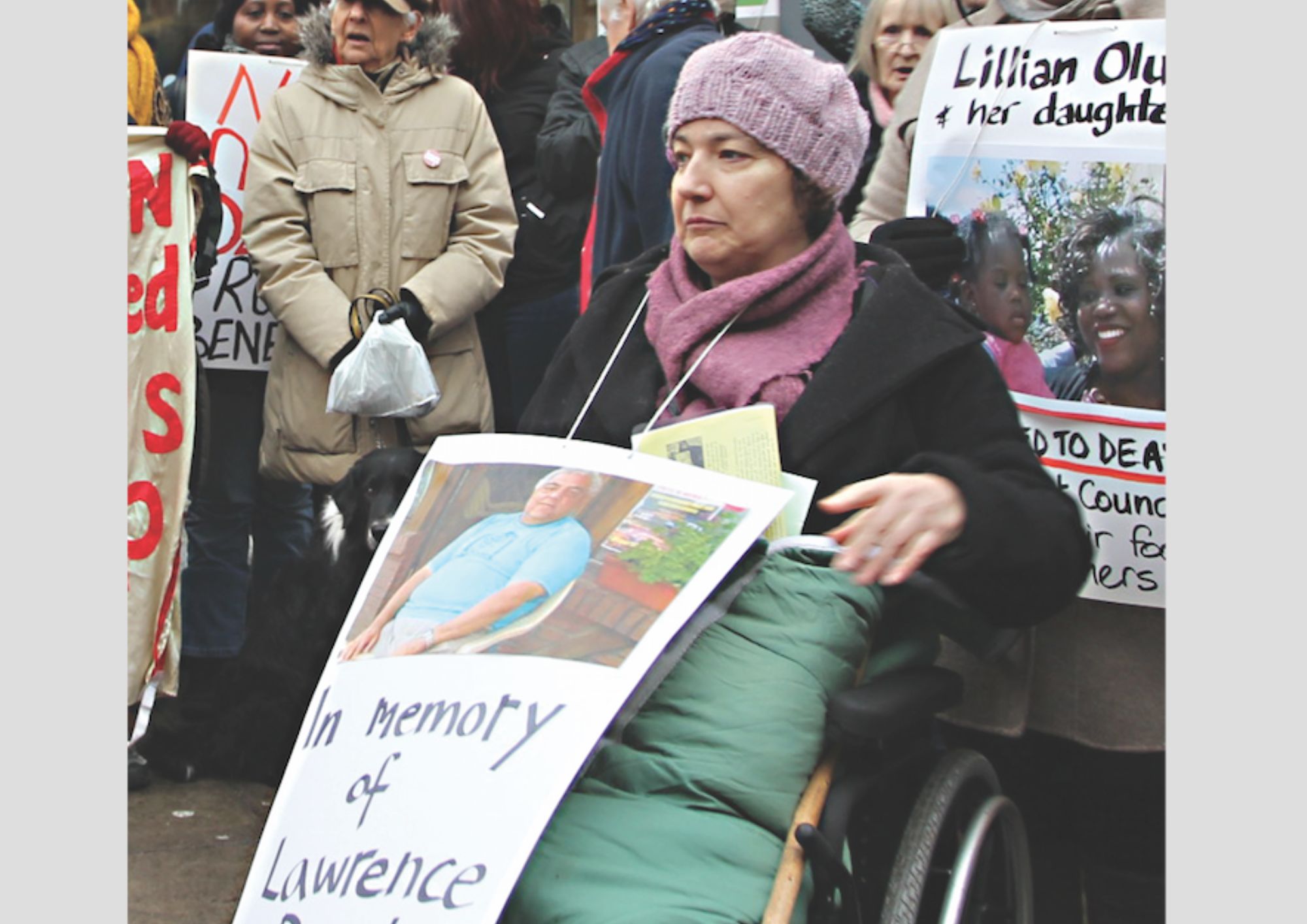
Claire Glasman from Winvisible
DISABLED people are being told they can replace support workers hired with an Access to Work grant with artificial intelligence chat bots.
Claire Glasman, who has spent decades fighting for disability rights, says her working life is being threatened by the “perverse logic” of the government’s “massive attack on our rights to benefits”.
She has been waiting for almost a year for a decision on whether the Department for Work and Pensions (DWP) will renew her Access to Work grant.
The grants are given out to disabled people to pay for support workers to help with complex and often exhausting admin that often undermine efforts to stay in work. But now tens of thousands of claimants are threatened with having the help stripped away – and the rise of AI is one of the justifications.
Ms Glasman, who has cerebral palsy and lives in Kilburn, said: “The government says disabled people should get into waged work and asserts that it is promoting job opportunities, but in reality it is sabotaging the Access to Work scheme.
“There have been long delays, with broken promises by the DWP to reply to emails by a certain date. This stress is compounded by worry over whether the level of support will be cut.
“If my support is cut, I won’t be able to do my job as required, and could be forced out of employment. Yet the government states that its policy is to encourage people with disabilities into work. It is also very unsettling for the support workers.”
The Public Accounts Committee (PAC) has launched an inquiry into the backlog crisis that is affecting tens of thousands of people across the country with a report due out later this year.
Ms Glasman said she does not feel AI could do the job of a human being and questioned whether the tech could be relied upon.
In her evidence to the PAC, said: “In the initial assessment call, we were told that AI can replace the existing support worker, despite this putting a burden on the disabled employee.”
Ms Glasman has had funding for a support worker 32 hours a week since 2016. Her last grant ended in August 2025. She said the support helps her find the mental space for her work at Winvisible, based in Kentish Town, which helps dozens of women with disabilities negotiate claims for grants and benefits each year.
A DWP spokesperson said: “We apologise to Ms Glassman for the delay and we are looking into this case. We are employing 500 additional staff to tackle the backlogs in the Access to Work scheme – which supports thousands of sick and disabled people.
“We inherited a backlog in this scheme and have been working with disabled people and their organisations to tackle it, as well as fast-tracking the claims of people who are about to start work.”
