Daughter of woman portrayed in hit film joins ‘Philomena’s Law’ celebration
Survivors living in Britain will no longer risk losing vital welfare benefits or social care support when they receive compensation from the Irish government.
Wednesday, 4th November — By Caitlin Maskell
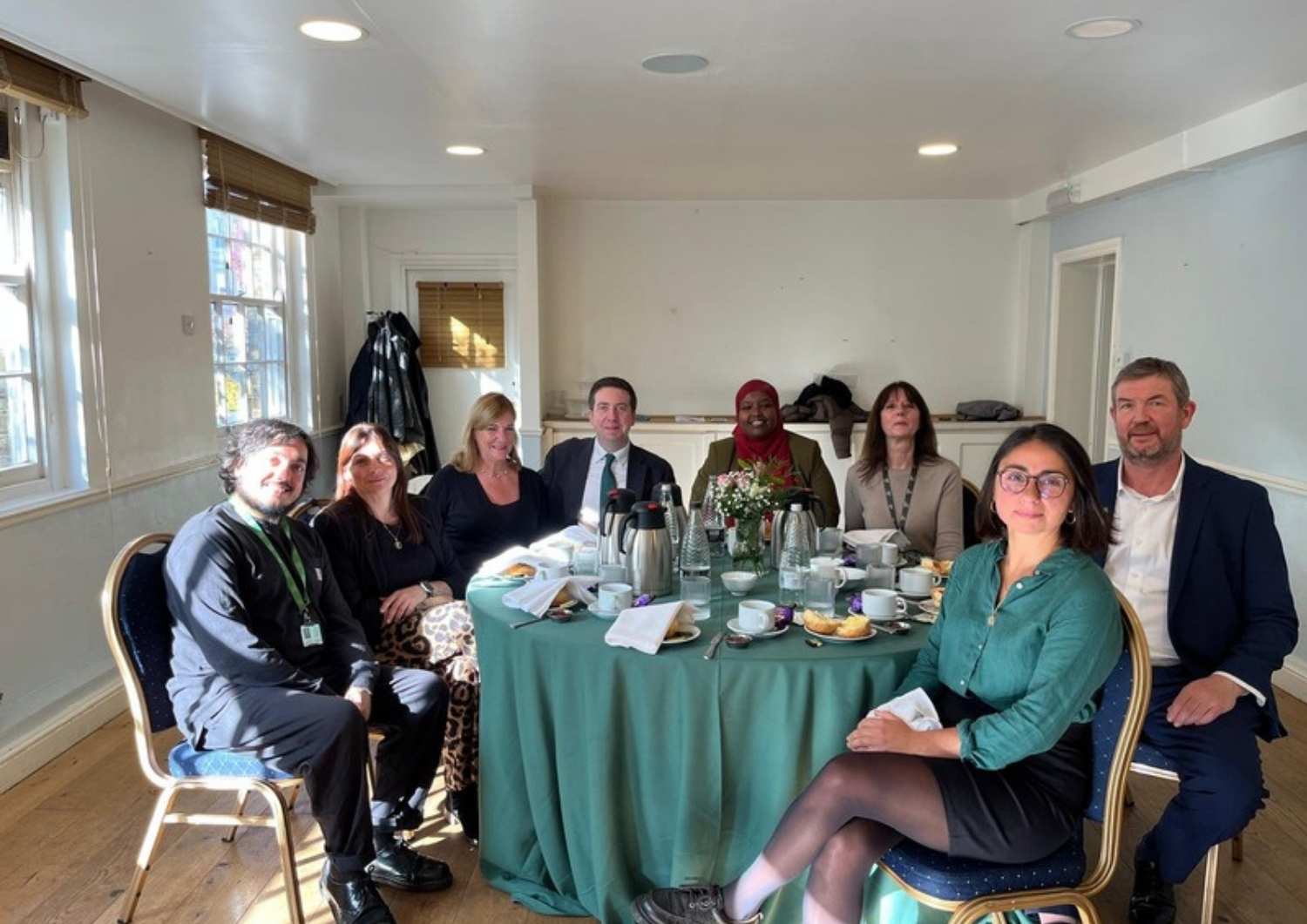
The Philomena’s Law discussion at the Irish Centre in Camden Square on Friday
THE impact of one woman’s story heard all over the world has helped bring about a landmark change in the law, offering long-awaited protection to thousands of survivors of Ireland’s Mother and Baby homes.
Philomena’s Law is named after Philomena Lee, an Irish woman who was forced to give up her son for adoption after being sent to a Mother and Baby home in Roscrea as a teenager.
Her decades-long search for her son inspired the Oscar-nominated 2013 film Philomena, starring Dame Judi Dench and Steve Coogan, which brought national attention to the treatment of unmarried mothers and their children in Ireland’s religious institutions.
Philomena’s Law, which came into force last week, ensures that all survivors living in Britain will no longer risk losing vital welfare benefits or social care support when they receive compensation from the Irish government.
Previously, survivors faced the cruel dilemma of either accepting compensation for past institutional abuse or trauma or losing access to vital welfare support as it counted as income. It is the first time that compensation from a foreign government has been ringfenced in this way.
Speaking at a roundtable discussion at the London Irish Centre in Camden Square on Friday, key figures behind the campaign gathered to celebrate the victory and discuss the difference this will make to survivors, particularly those living in the borough.
Jane Libberton, Philomena Lee’s daughter, said: “The reason that my mum’s story resonated with so many people is because she is kind and forgiving. She is not bitter, angry or twisted, and I think that really made a big difference to a lot of people, which has led people to understand now about Mother and Baby homes.
“Initially she said she didn’t have a story to tell, it was just her life and of course it happened to so many people she just thought it was kind of normal.”
Liam Conlon MP, who championed the legislation in Parliament, added: “It was named Philomena’s Law for a reason. It’s quite difficult to explain to your average person in Britain what a Mother and Baby home is but many people have seen the film and connected with your mum and her story.
“The courage she had to come forward and share that, as it is very hard for survivors to do that. Her story was an essential part of our campaign.
“This has shown people a kindness and respect they have been denied for most of their lives, and they will now have that for a lot of them at the end of their lives.”
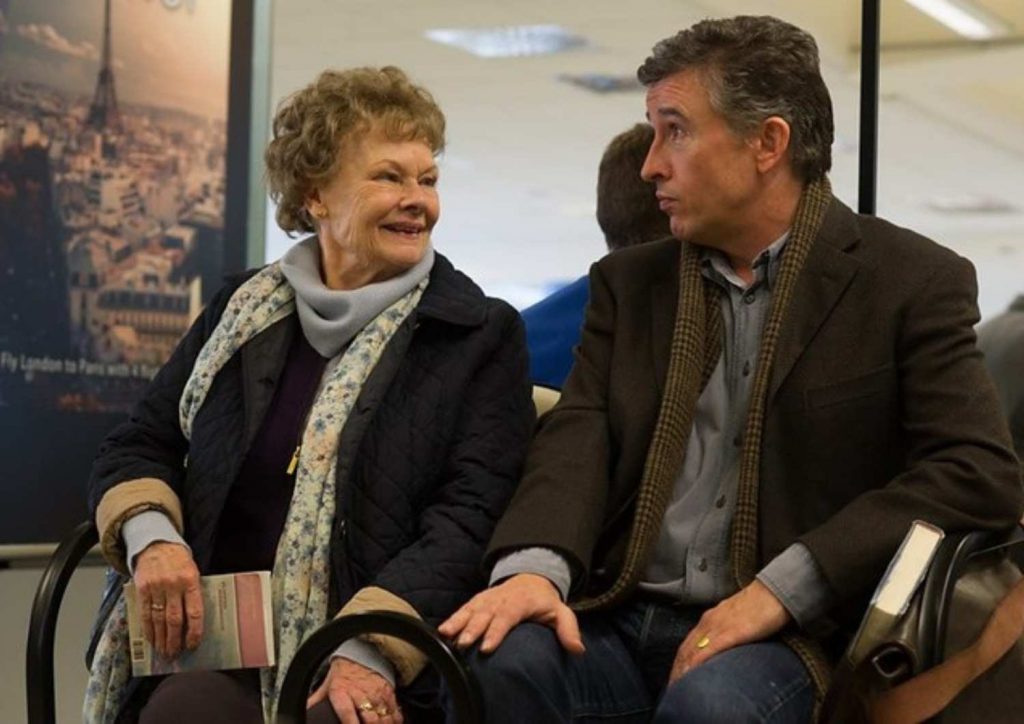
Dame Judi Dench and Steve Coogan in Philomena
The Irish Centre played a central role in campaigning for the legislation and supporting survivors through the compensation process, through its dedicated Survivors Integrated service.
Sean Kaluarachchi, a survivor information adviser at the Irish Centre, said: “People have said to me it’s a very lonely process to apply to the Mother and Baby scheme without the support.
“Before this all passed there were so many people that were not ready to accept and weren’t ready to apply in the first instance. Now there is a resounding sigh of relief for all survivors.”
Katie Doyle, Survivors Integrated service manager, added: “Historically, people who have left Ireland have been forgotten in this. These are real-life situations that people are dealing with on a day-to-day basis.
“What I want to see next is the consideration. Open the conversation wider and think about the survivors that have left Ireland.”
