Council’s ‘disturbing’ failures before death of vulnerable woman in hotel
Colleen Madden was held in a prison cell because there was no suitable housing for her
Thursday, 29th October — By Tom Foot
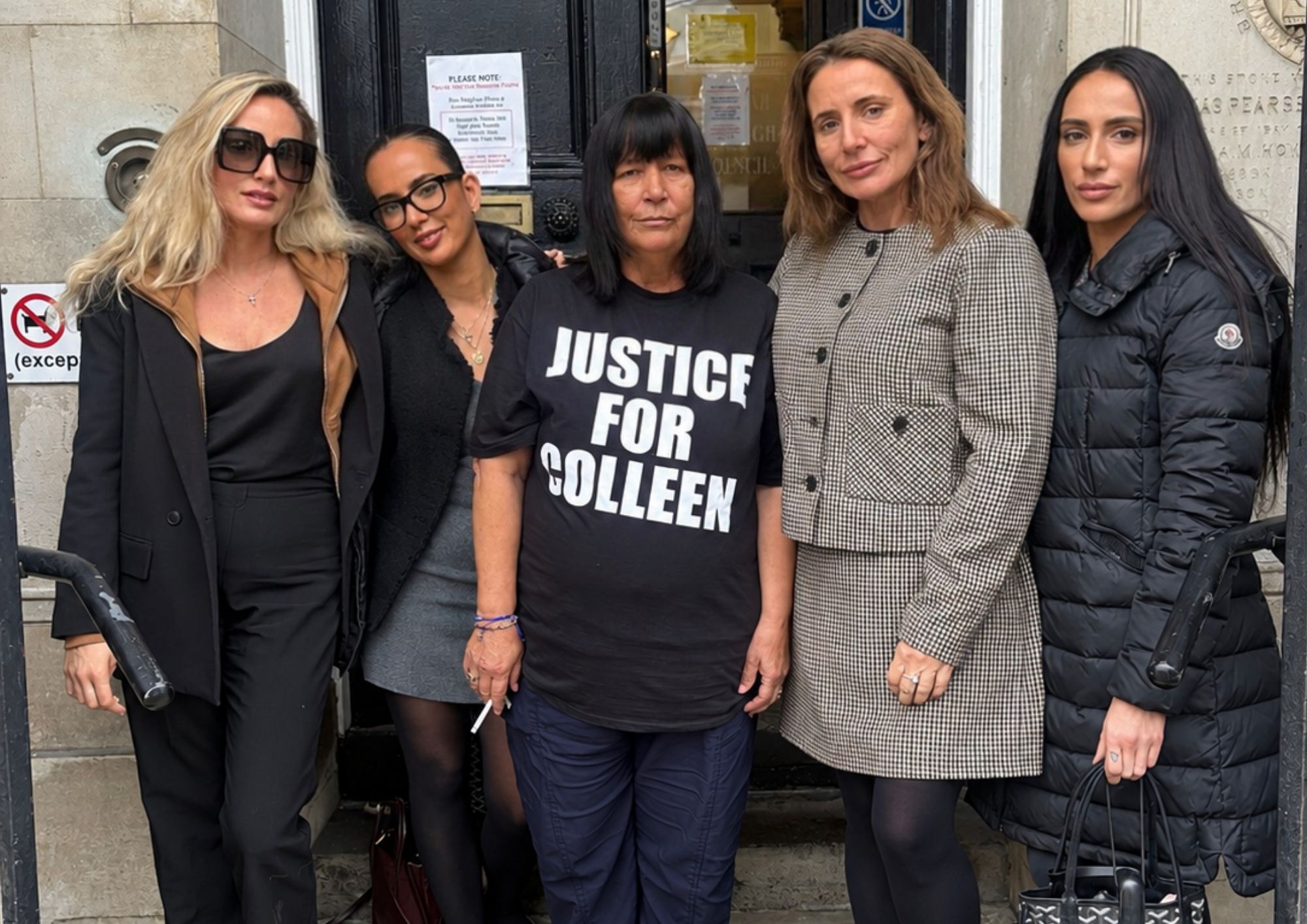
Colleen Madden’s relatives outside the inquest in Bow
A CORONER said it was “disturbing” that a prison cell was deemed safer for a highly vulnerable woman than Camden’s available housing stock in a damning conclusion that found multiple “failures” and “missed opportunities”.
Senior Town Hall officers and directors were among those giving evidence over five days at Bow Coroner’s Court last week in a case that exposed chaos at the heart of “fragmented” housing, prison, probation, mental health and social care services.
Colleen Madden, who had been diagnosed with personality disorder and ADHD, lacked the “capacity” to manage her own affairs after a ruling by the Court of Protection following a severe brain injury caused by a traffic accident in Euston Road in 2018.
The 31-year-old was well known to Camden services having gone to special educational needs school as a child and been handed several failed tenancies in adulthood, before ending up street homeless in Euston where she struggled with substance misuse and was abused.
In the four months before her death she had been recalled to various prisons three times due to botched attempts to house her before she was finally released into a hotel in King’s Cross Road without any support plan or her family being informed. She lay dead for three days in the Travelodge room before she was discovered on January 16, 2025.
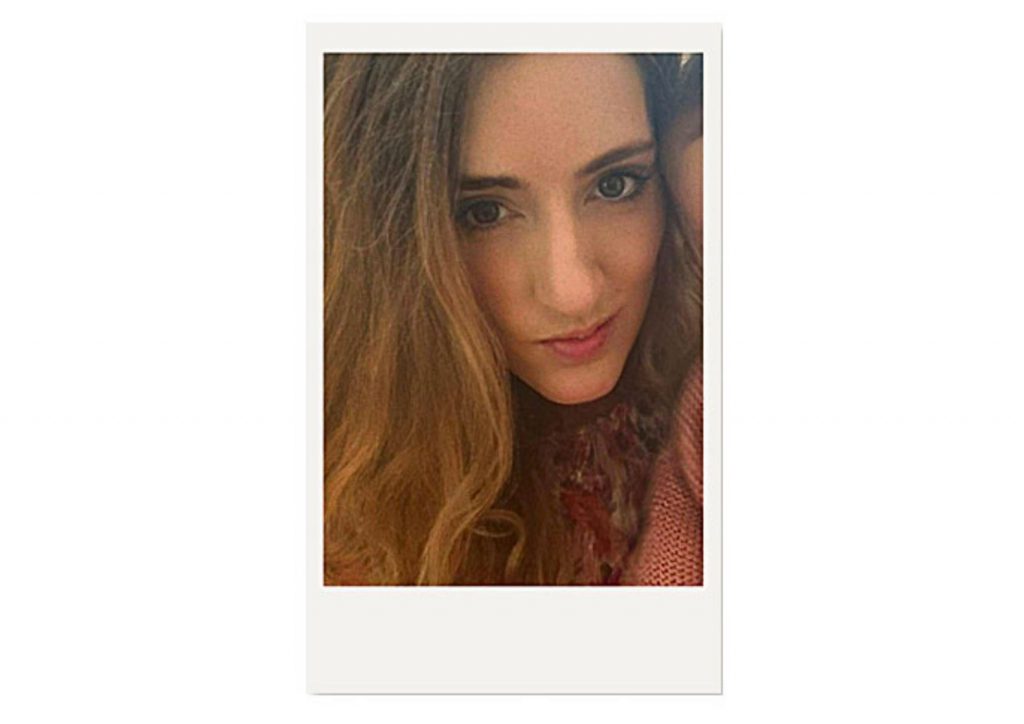
Colleen Madden
After a gruelling five-days of evidence came to an end at Bow Coroner’s Court on Friday, coroner Melanie Lee ruled the “drug-related death” could have been avoided and said she would be issuing a Prevention of Future Deaths report in the coming weeks.
She concluded: “Colleen was let down. More should have been done – not just when she was released from prison, but much earlier. Had Camden taken steps, a more supportive placement would have been found.
“It is disturbing that the place deemed safest for a vulnerable woman with complex needs is a prison cell. Without a doubt, she was placed in unsuitable accommodation in an unsuitable location. She deserved better.
“Had Camden undertaken its statutory duties it is possible Colleen would have been placed in alternative accommodation, and she would not have died in the manner she did.”
Ms Lee said she could not rule Colleen’s death was directly caused by Camden’s poor planning and decision-making as “there are too many unknowns and ifs and buts”, adding it was not possible to say she would have been prevented from taking drugs if placed elsewhere.
But the coroner cited a string of “missed opportunities” and failures, chief of which was “agency confusion regarding who was responsible”. “No one was taking the lead,” she said. “It meant Colleen was released with no accommodation or support plan in place.”
Colleen had grown up in Sherriff Road, West Hampstead, and was sent to the Swiss Cottage Special School after being diagnosed with ADHD. She struggled in adulthood and got pregnant with her first child aged 16.
In 2018, she suffered terrible brain damage from a road accident on the Euston Road that led to a “deputy” being appointed by the Court of Protection to manage her financial affairs. But the inquest heard this legal appointee, who was represented at the hearing, had no power to influence housing or care decisions.
Speaking of the decision to place her in the King’s Cross hotel, Camden’s director of Adult Social Care Operations, Michelle Head, told the inquest: “The focus was on putting a roof over her rather than having a holistic understanding of how best to support her.
“I think we needed one of those agencies to take charge. I don’t know why they didn’t on that occasion. There were no protocols or procedures to work in that way. We have put guidance in place to support that way of working moving forward.”
Ms Head’s statement said that a new protocol was being put in place to “mitigate the risk of individuals being released into unsafe or unsupported circumstances”. The inquest had heard how busy it was around Christmas and New Year’s Eve and that council officers were either away on leave or operating in a high pressure environment.
The inquest heard that on the first night out of prison she stayed “with a male she met on the street” but the dangers of this were not considered by social work teams. Following concerns from the probation service for her wellbeing, a social worker was sent to the hotel but did not go inside the room despite the door being opened for her.
Police told the inquest that a crack pipe, class A drugs, razor blades, and several shopping bags were found inside the room. The Madden family said she had been looking forward to delivering delayed Christmas presents to her children and their barrister Sophie Walker had argued that the cause of her death could not be blamed on drugs alone.
The “Article 2” inquest – an enhanced investigation held when the state is believed to have breached its duty to protect life – was adjourned in February due to the coroner waiting for publication of an independent report into the case.
The Safeguarding Adult Review, commissioned by the council and published in June, found a series of “system” failings in the case and committed Camden to making a series of changes. Its author Gill Taylor, who has 20 years’ experience of working with women and homelessness, was called to give evidence to the inquest last Tuesday about her review that warned of a “significant gap” in the “housing supply for women experiencing multiple disadvantages” which requires “structural change”.
The adjournment delay heaped distress on the Madden family, who had already attended five Pre Inquest Review (PIR) hearings up to that point. On Monday, the inquest heard from Ms Madden’s twin sister Clare who said the family had been waiting 644-days for the process to begin at the Bromley Public Hall, east London. The venue has been rented by Camden Council due to a backlog of cases that built up during the Covid pandemic.
In her “pen portrait” opening the inquest on Monday, Clare described her older twin as a “girly girl who loved make-up and the colour pink”, who wore flowers in her hair and wanted to buy a house and own animals, adding: “She was a vulnerable woman who was taken advantage of on many occasions. She was a fighter, who did not deserve to die.”
After the hearing the Madden sisters stood on the steps of the coroner’s court with their mother Tracy, from Queen’s Crescent, who wanted a mention for her son Jonjo who could not make the hearing.
The family’s statement said: “Our family has suffered immensely since Colleen’s death. We miss our sister beyond words. She was our everything, and she deserved compassion, dignity, and proper care. Instead, we feel she became little more than an administrative task, with no one taking responsibility for her needs.
“This has been a long and painful fight, but we will continue to raise awareness and fight for change. The inquest has highlighted the importance of proper training for those working with vulnerable adults, so that no other woman has to endure what Colleen did.
“Colleen deserved better. Our family deserved better. We will continue to fight in her memory, in the hope that lessons are learned and meaningful change follows.”
Charity says investment is needed to break cycle
The Charity Inquest, which campaigns for prison reform, has been following the Madden case from the outset.
After the case ended, the charity’s case work co-lead Selen Cavcav said: “The failures exposed at this inquest are shameful. Her death is a stark reminder that prison is not the answer to poverty, homelessness, poor mental health and substance use.
“We must stop trapping women in a harmful cycle of imprisonment and recall and invest instead in safe housing, mental health support and drug and alcohol services in the community.”
She added: “Imagine what could have been achieved if the money spent on repeated two-week recalls to one of Europe’s most expensive prisons had been invested in the support Colleen actually needed.”
Catriona McGregor, from Bhatt Murphy Solicitors which has represented Colleen’s family, added: “This inquest exposed repeated failures to assess, coordinate and plan for the safe release from prison of an exceptionally vulnerable woman whose risks and support needs were well known.”
What the council says – full statement
A Camden Council statement in response to the Colleen Madden inquest published in full.
“Our deepest sympathies remain with Colleen’s family and friends following her tragic death. Ensuring vulnerable residents are supported and safeguarded is a responsibility that we take extremely seriously and, following Colleen’s death, we asked the Camden Safeguarding Adults Board to carry out an independent Safeguarding Adult Review.
“Since then, we have worked closely with partner agencies across Camden to act on the review’s recommendations and to strengthen safeguarding arrangements. This has included improvements to the support offered to people leaving prison, strengthened coordination and information sharing between the council, probation services and other partner agencies, and new guidance relating to welfare checks and the support provided to vulnerable people in the community.
“We have supported the Coroner throughout the inquest process and will now carefully consider the coroner’s findings, identifying any further improvements that can strengthen our support for prison leavers and vulnerable residents, including training for our team managers.”
