Brain tissue taken from corpses was packed in to woman’s body – now family want whole truth
Thursday, 5th March — By Tom Foot
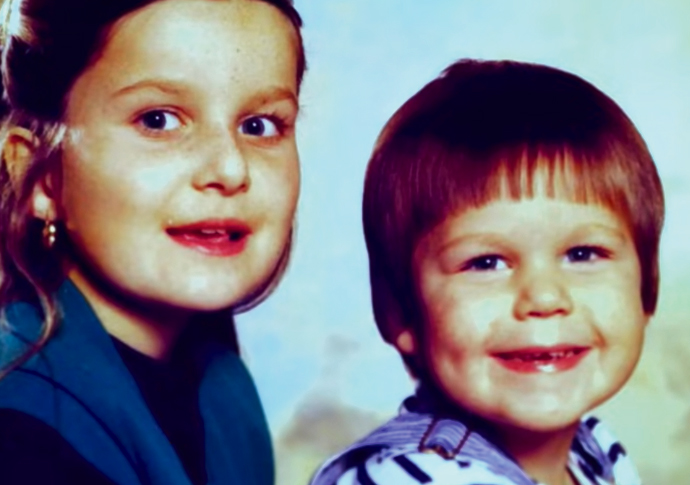
Natalie and Neil during their childhood
SIBLINGS implanted with contaminated tissue harvested from dead bodies abroad are demanding answers after they were diagnosed with an incurable brain damage directly linked to the now-outlawed practice.
Natalie Bralee-Brett told the New Journal this week about her battle to find the full truth about surgery at Great Ormond Street Hospital 50 years ago.
The 53-year-old and her brother Neil were both in 2022 diagnosed with a debilitating condition that typically takes several decades for the debilitation to show.
Now expert research has revealed the condition is caused by “cadaver dura” grafts – a patch compared to the kind in a bicycle puncture repair kit – used in their surgery when they were just toddlers.
The contaminated patches effectively planted a slow-growing seed that grew and grew over decades before triggering brain damage in recent years.
The Bralee-Bretts, both lifelong Camden residents, are believed to be the first siblings in the world known to have got the condition in this way.
But there is now mounting concern in the medical establishment that potentially hundreds if not thousands of people, who had similar surgery in the 1970 and 1980s, may have the brain damage disease but don’t realise why.
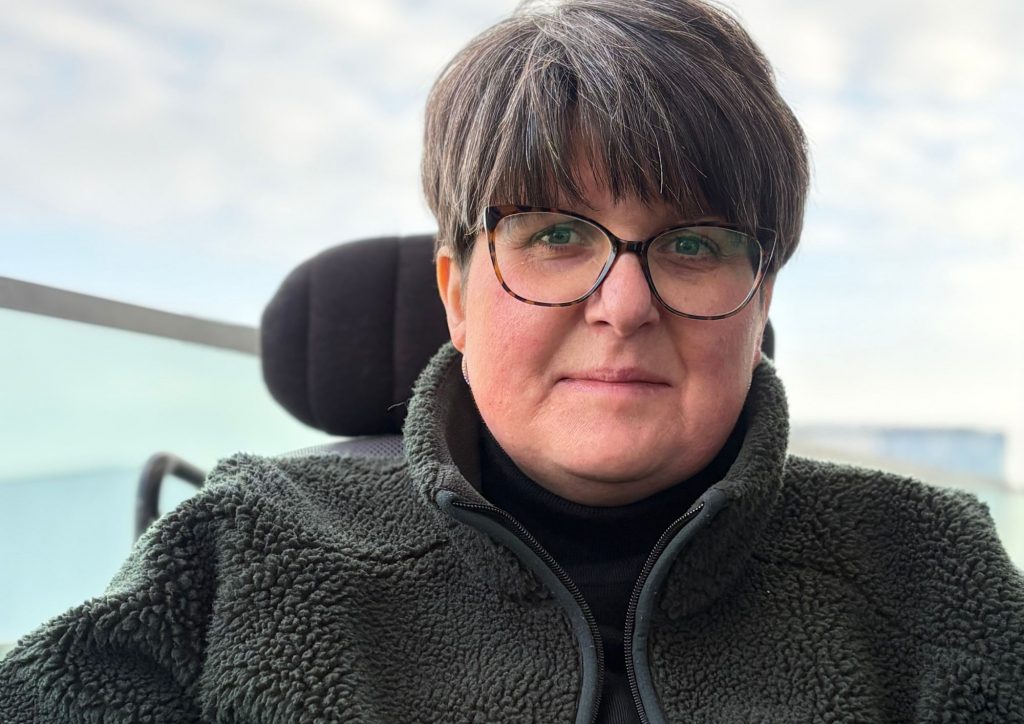
Natalie Bralee-Brett in a photo taken by the New Journal this week
The case opens a window into a murky trade of human tissue recycled from the dead into the living, part of a historic global medical scandal that is only now starting to come to light.
Speaking to the New Journal with a close family member present, she said: “We don’t know who we’ve got inside us. I know it is only tissue – but it is part of someone else. There’s something more than a bit creepy about it. Who were these people they were taking them from? How old were they? What did they die from? There seems to be no record.
“I’m sure they’ll make a horror film about it one day, but right now I’m living the horror. “And now we know that the cadaveric dura mater grafts we received have been contaminated with an amyloid protein – and this is why me and my brother have a fatal and incurable brain disease.
“How did this happen? This was a leading children’s hospital? Should they have been vetting it more than they did? Was it the government?
“We believe we have a right to know exactly who produced our dura mater graft and why it has caused us to have this horrendous brain disease.
“I find it disgusting when we are not to blame but this is something happening to our bodies. It shouldn’t be up to me to fight to get answers.
“We know there are people out there who have this, but we are constantly being fobbed off. Why are they not making it more known?
“I am someone who doesn’t give up. If I think there is an injustice I won’t give up. And this is an injustice.”
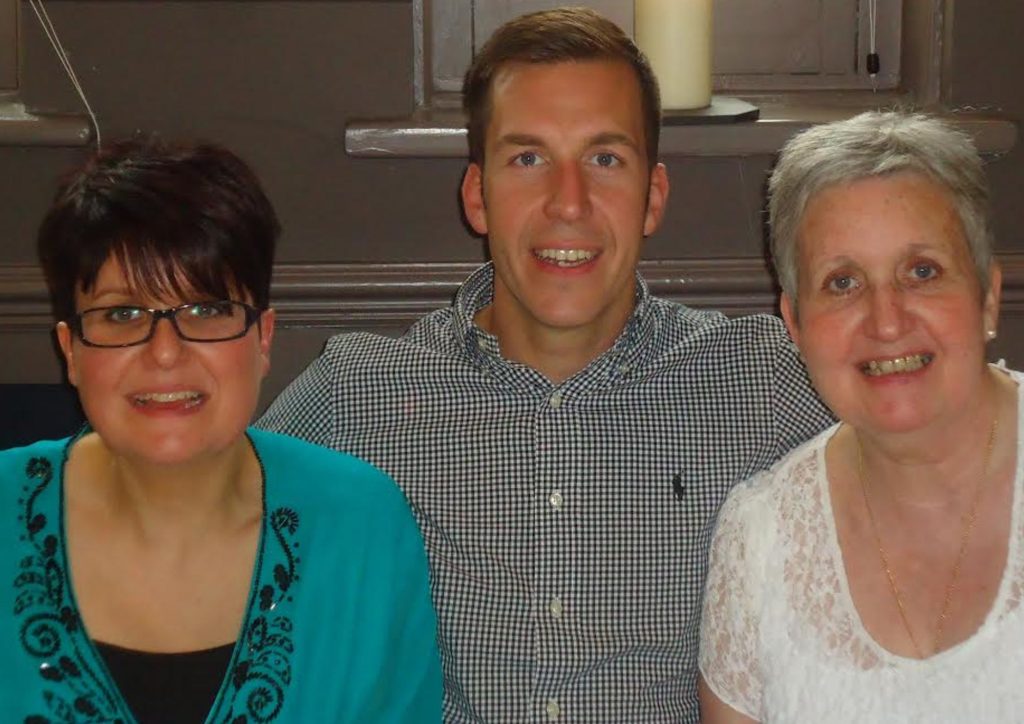
Natalie, Neil and their mother Maureen
Ms Bralee-Brett has called for a systematic review of historic procurement and surgical practices, an “escalation to NHS England and the Department of Health and Social Care”, a clear plan for identifying and informing other affected families. Natalie and Neil Bralee-Brett grew up on the Regent’s Park Estate, before moving to Ludham in Gospel Oak.
She now lives in wheelchair accessible top floor flat in York Way, Agar Grove, with her two grown-up children and well-behaved dog Tilly.
Both Natalie and her brother were born with spina bifida – a spinal cord defect – that meant they needed surgery at GOSH in their early years.
The New Journal has seen medical records for both the siblings’ operations, showing that the cadaver patches were used at Great Ormond Street Hospital.
Ms Bralee-Brett has now been told that contaminated proteins from the patches are likely the cause of her condition, called iatrogenic cerebral amyloid angiopathy (ICAA).
Cadaver dura mater grafts became popular in hospitals because it meant surgeons did not need to cut grafts out of a patients body up.
But it later emerged that they contains a mixture of proteins harvested from the brain matter of corpses without any permission.
The patches were later found to be infected with deadly brain-wasting disease, Creutzfeldt–Jakob disease (CJD).
An investigation triggered by the outbreak of “mad cow disease” eventually led to them being banned in this country in 1992.
One of the main manufacturers of the products, based in Germany, had said at the time of the ban it believed its infection control practices would make the grafts safe for use.
In the early 1990s, journalists at the Der Spiegel newspaper in Germany ran an investigation showing how worldwide demand for the patches had fed an illicit trade in brain tissue.
Stories emerged about bodies exhumed from Berlin cemeteries that were found to have “no brains in the grave”.
Autopsy assistants were said to be getting paid back-handers for samples of brain matter.
Often the grafts were made using brain membrane tissue from several different dead bodies “mixed together in a vat”.
Ms Bralee-Brett said she had started to notice worsening memory, falling over in her home and was suffering “micro-bleeds” on her brain.
Her brother, a black cab driver, is in a far worse condition, unable to be part of the interview with the New Journal, although he has given his full backing his sister’s campaign for justice.
With time pressing, Natalie is determined to find out which company manufactured her patches, how and why they were approved for use in this country.
Remembering a “difficult” childhood due to her spinal condition, she said she had been bullied for walking with a limp when she was at St Aloysius and Maria Fidelis.
She said: “School was hard. When I was six or seven and all the girls used to get dressed up with ballerina costumes, tutus and that, and I was made to sit and watch.
“It was heartbreaking because I used to think to myself ‘why can’t I join in?’ It was barbaric in a way. I had to walk from Regent’s Park to Somers Town, struggling with the books on my back with a limp. Now I would get brought to school. Yeah it was tough.”
She had to cut her education short in sixth form due to her condition but later worked part time job at M&S in Camden High Street on the tills, before moving to the admin office and later head office of the company.
Ms Bralee-Brett said she got her first electric wheelchair in 2007 and two years later was diagnosed with a tumour, aged 37.
In 2022, she was diagnosed with ICAA – and her brother Neil was also diagnosed with the same condition in the same year.
The initially baffling coincidence led brain experts to look more deeply into their medical history, eventually making the link with the patches.
Ms Bralee-Brett said: “We are two of only 52 confirmed cases worldwide and, so far, we are the only known set of siblings living with this disease that have both been contaminated through receiving a cadaveric dura mater graft.”
She said research into the condition has proved ICAA to be a “medically recognised consequence of the grafts”, adding: “What happens is the seed, or protein, that was in dura mater graft grows and grows and grows and then 40 years later – normally people in their fourth decade – start showing symptoms.”
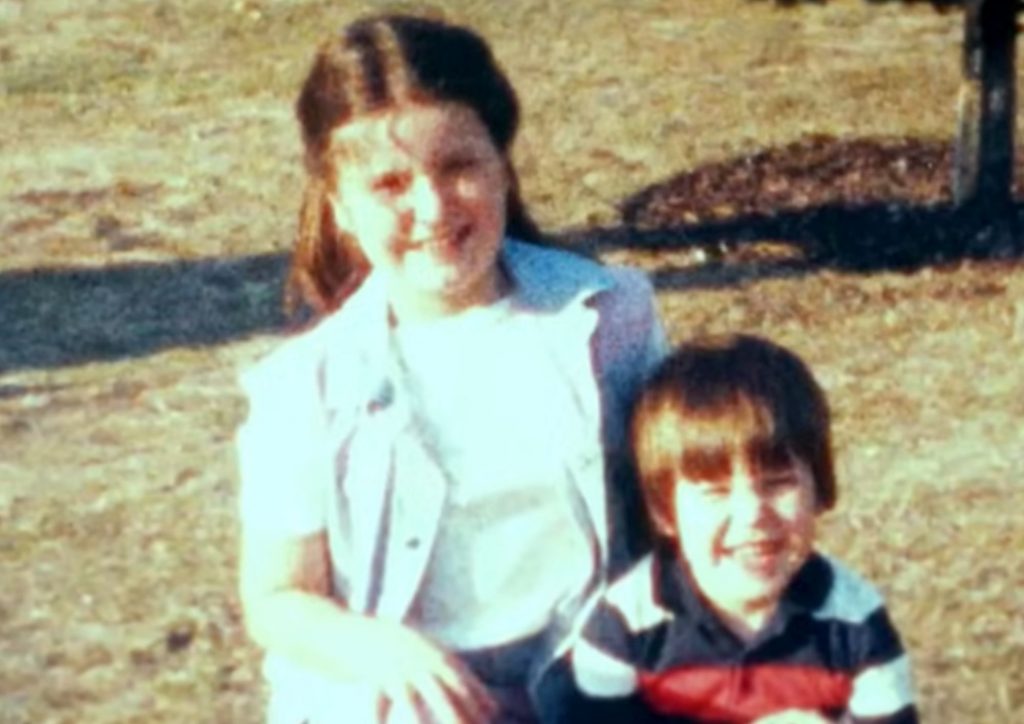
The siblings both needed spinal surgery during their childhood
In a Sky News report on ICAA last year, one of the world’s leading experts in the condition Boston-based Dr Stephen Greenberg explained: “This is a heartbreaking echo of an era when it appeared that a good neurosurgical procedure was to use tissue from human cadavers.
“Now of course the practice would be not to use human tissue at all. We can’t be confident knowing what we know now.”
The New Journal has seen correspondence between senior directors at GOSH and Sir Keir Starmer’s constituency office over the past year.
In a lengthy response, the NHS trust’s acting chief medical officer said there was no legal obligation to keep invoice records for more than a few years and they are unable to find any record of purchase orders, adding: “All patient records were on paper and to identify which patients may be at risk now would require us to go through tens of thousands of patient records manually and is not something we are able to do. “If there was a national recall programme instigated, we would of course support this.”
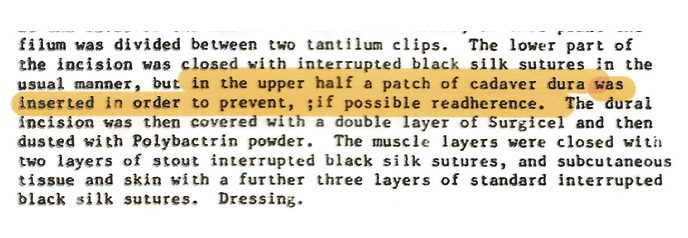
One of the medical files from the time
Their letter goes on to say “at the time, it would not have been standard to list and consent for each individual product that would be used in a surgery”, although the system is different for grafts that are used today.
Experts in ICAA at UCLH have said that they currently know of 20 patients in the UK known to have the condition.
The Facebook group ICAA Brain Disease – Bringing Patients Together has been set up by the family.
Dr Sophie Varadkar, Medical Director, Great Ormond Street Hospital for Children said: “I want to express again my deepest sympathy to Natalie and her brother Neil for the distressing condition they are experiencing.
“At the time, this type of graft made from cadaver material was commonly used in surgical procedures worldwide, and sadly the risks associated with it were not fully understood.
“We have shared all information we have about Natalie and Neil’s surgeries with them and have thoroughly reviewed our records to identify any specific detail about the type of grafts used, but unfortunately this information was not routinely recorded at the time.
“I have been in contact with Natalie and hope to meet her soon to hear more about her experience and the important work she is doing to advocate for other patients.”
Sir Keir Starmer’s office last night said it had contacted the Department of Health and GOSH about the case and was “seeking further details” while supporting the family.
Historic health scandal you’ve probably never heard about
By TOM FOOT
THE “iatrogenic” in iatrogenic cerebral amyloid angiopathy (ICAA) refers to illness caused by medical examination or treatment.
It is a condition that, by definition, places responsibility with the health service rather than the patient.
And yet, just like in all the medical scandals that have preceded it, the burden falls on those patients and their families to become investigators — forced to navigate the complex and often impenetrable corridors of the medical and political establishment.
It was the same for the victims of the Infected Blood Scandal, in which thousands of people in north London were infected with HIV or hepatitis through no fault of their own.
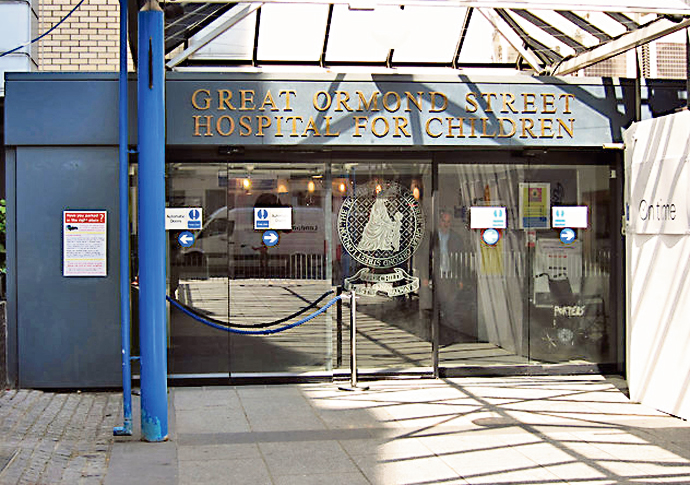
Great Ormond Street Hospital
In February last year, we reported on former Meals on Wheels driver Kathleen “Kitty” Stewart, who had lived in Camden Town all her life and died just weeks before she was due to receive hundreds of thousands of pounds in compensation.
Her son Stewart, who was infected at the Royal Free, continues that fight, but at immense personal and psychological cost.
From the Alder Hey organs scandal of the 1980s, to the appalling neglect that led to hundreds of unnecessary deaths at Mid Staffordshire Hospital in the 2000s; from the crimes of Harold Shipman to the breast surgery scandal involving Ian Patterson — the pattern is the same.
Families are left torn apart by the mental strain of banging heads against brick walls for years, sometimes decades, before politicians taken note and a public inquiry is finally established.
Patients have been forced to act as their own advocates – piecing together fragmented medical histories while challenging institutions reluctant to fully disclose what happened.
The sense of abandonment is a defining and deeply painful thread.
There must be a better way.
