Blitz club set to be bulldozed
Venue was where Spandau Ballet performed their first live gig
Wednesday, 29th July — By Richard Osley
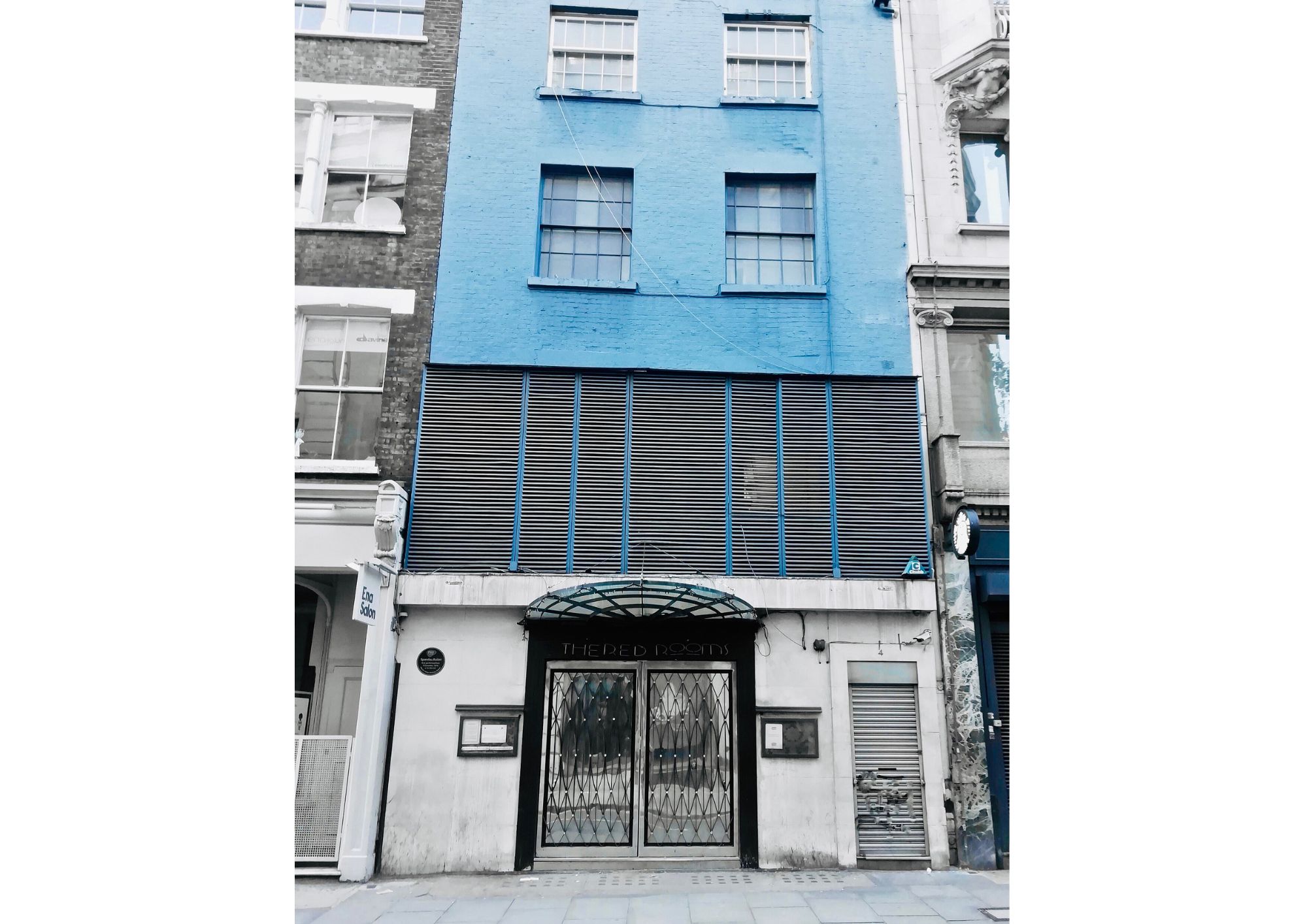
The building in Great Queen Street
IT has been credited as one of the birthplaces of London’s flamboyant New Romantic subculture of the early 1980s, a crossroads for fashion and music where the make-up was bold and the outfits bolder.
But the Holbon building that was home to The Blitz club is expected to be given a date with the bulldozers when planners meet tonight (Thursday).
The synths have long since stopped bleeping and developers have asked Camden Council for permission to build a hotel extension at No. 4 Great Queen Street, a famous address for Spandau Ballet in particular, who played their first live performance there in 1979.
The Tuesday night club – spread by word of mouth and an attraction not least for avant-garde fashion students drawn by its demanding dress code – only ran for two years but has long been regarded as a culturally important stop on the capital’s musical map. Guests and performers became known as ‘The Blitz Kids’.
Boy George worked as a cloakroom attendant at the club, David Bowie was an occasional visitor and Siobhan Fahey, of Bananarama and Shakespears Sister, was a regular.
Developers GSM Estates Limited have acknowledged the importance of the venue in planning papers due to be reviewed by councillors at the Town Hall this evening, but say a high-quality building will take its place.
A plaque marking the debut performance by Spandau Ballet, who went on to have a string of chart hits including True and Gold, was installed in 2014 by the Performing Right Society for Music to mark the site’s significance. It will be reinstalled on the new building.
“We were cramped on a little stage there playing in front of a crowd of young people that would go on to help shape the arts of the next decade,” the band’s guitarist Gary Kemp said.
“I remember being terrified, while playing the little Yamaha CS-10, that we wouldn’t get away with it.”
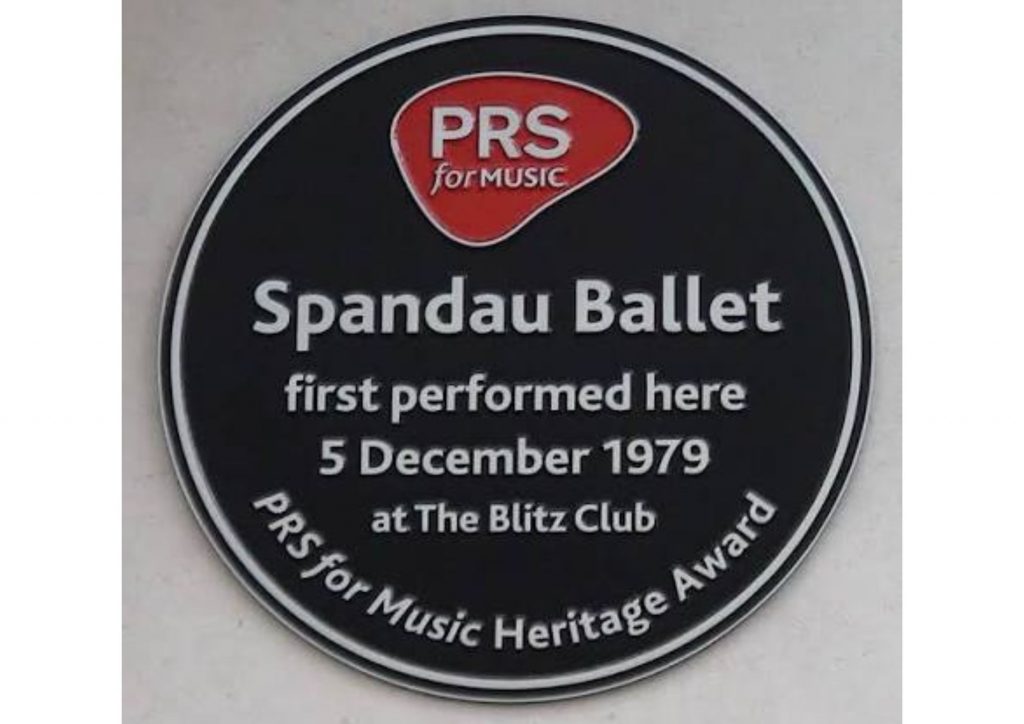
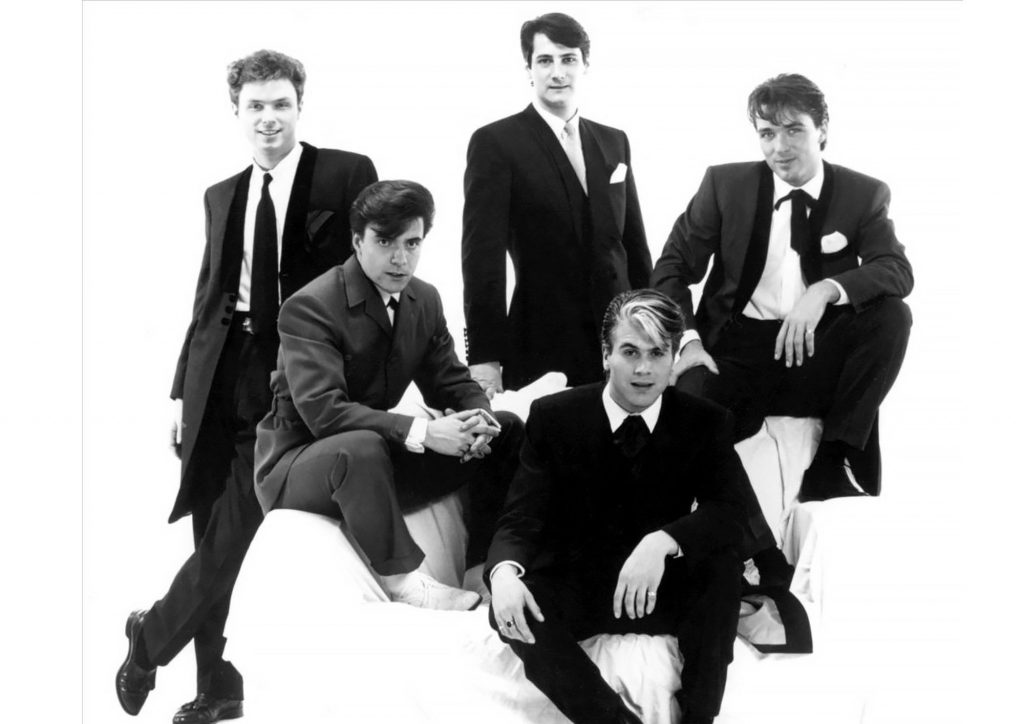
The plaque on the building marking the club’s place in musical history for 80s hitmakers Spandau Ballet, below
In 2011, there was a reunion party hosted by the club’s co-founders, the late Steve Strange and Rusty Egan, the club’s DJ who went on to start the new wave band Visage.
Earlier this year, the Design Museum opened a special exhibition about the club.
Its curator, Danielle Thom, said at the opening that it held particular significance for London’s LGBT+ community.
“It was one of the first club nights that was simultaneously gay-friendly, queer-friendly and open to a crowd of straight people,” she said.
“It wasn’t pigeonholed as a gay club, or as a straight club. It was just a place where young creative people could come, could dress up, could dance and just be – and in that sense it was a significant space.”
Council officers have recommended the plans for the site are given the green light. They include the remodelling of Kingsway House.
The conservation area advisory committee is, however, opposing the “excessive” works.
